
CategoriesNews & Blog

Tenant Mix Strategy: Creating Synergy Between Retail, Food Service, and Healthcare

Walk through a thriving neighborhood center, and you notice something often overlooked: people move between tenants. The patient who just finished a medical appointment stops for lunch. The family that came in for groceries grabs coffee on the way out. The lunch crowd from the QSR pad site browses the nearby retail stores on a slow afternoon. None of this happens by chance.

Tenant mix strategy is one of the most important decisions a developer makes and one of the most undervalued. The right blend of retail, food service, and healthcare tenants doesn’t just fill space. It creates a community where each use enhances the others, producing consistent, multi-use traffic that sustains a center through economic ups and downs and encourages tenants to renew their leases.

At LRE & Co, tenant mix is a fundamental part of how we evaluate, design, and lease every project. Here’s how we approach creating synergy among these three use categories, and why it matters more than ever.

Why Synergy Is the Right Framework

The traditional way of leasing a retail center was mostly additive: fill the available spaces with the best tenants you can attract, focus on creditworthiness and rental prices, and let the market handle the rest. That approach worked well enough when retail foot traffic was almost guaranteed by population density and limited competition.

That era is behind us. E-commerce has permanently shifted some retail spending online, and the tenants thriving in physical retail today are those offering something that can’t be reproduced on a screen: convenience, immediacy, experience, and necessity. Healthcare remains unaffected by e-commerce competition. Food service has adapted to convenience with drive-thrus, mobile ordering, and delivery. The retail categories excelling are those centered on services, health, and daily needs.

The insight that follows is simple: these three use categories, retail, food service, and healthcare, share a customer base and boost each other’s traffic when carefully combined. The goal isn’t just about co-tenancy; it’s about true synergy, where the whole outperforms the sum of its parts.

Healthcare as the Anchor of the Modern Center

Healthcare as a retail center anchor marks one of the most important shifts in commercial real estate over the last decade. Medical tenants, urgent care clinics, dental practices, physical therapy, optical, behavioral health, and specialty outpatient facilities generate steady, appointment-driven traffic that remains unaffected by consumer sentiment or seasonal trends.

A well-located urgent care or dental practice generates multiple visits per day from a broad cross-section of the community. Those patients arrive with time to fill, before appointments, after appointments, during wait times, and a retail and food service environment that captures that dwell time converts passive traffic into active spending.

Healthcare tenants also bring a specific demographic profile that is highly valuable for co-tenants: households with insurance, regular income, and a demonstrated willingness to invest in their wellbeing. These are the customers that food service and retail tenants most want to reach. Placing a quality fast-casual restaurant adjacent to a medical office building isn’t just convenient; it’s a deliberate strategy to capture a valuable customer segment.

Food Service as the Traffic Engine

Food service has always attracted traffic to retail centers, but the way it does so has evolved. Today’s top-performing food tenants are those with the flexibility to serve multiple dayparts: breakfast, lunch, dinner, and increasingly late-night hours, while providing the convenience features modern consumers demand, such as drive-thrus, mobile ordering, and quick service.

In a well-designed mixed-use center, food service is the main driver of traffic, keeping the property active throughout the day. A QSR pad site attracts morning traffic from commuters and lunchtime crowds from nearby workers. A fast-casual restaurant appeals to families for dinner. A coffee shop attracts early morning and mid-afternoon visitors. Together, these create a traffic pattern that benefits all tenants in the center, including healthcare and retail.

The key for developers is ensuring that food service tenants are positioned to serve the widest possible customer base, including residents, employees, and patients from healthcare uses, while maintaining a physical layout that encourages cross-shopping rather than creating isolated experiences.

Retail That Completes the Ecosystem

The retail component of a synergistic tenant mix has a specific purpose: it captures the discretionary spending of customers who come mainly for food or healthcare and turns their visit into a broader engagement with the center. The retail categories best suited for this role are those related to health, convenience, and daily needs, pharmacy, optical, fitness, personal care, and specialty health and wellness.

CVS and similar pharmacy models serve as a typical example. They operate at the crossroads of healthcare, retail, and convenience, attracting daily traffic from prescription pickups while also selling a wide range of consumer goods. Optical, dental, and vision centers also blur the line between healthcare services and retail products. Fitness studios and wellness centers appeal to a health-conscious demographic that significantly overlaps with the patient populations served by medical tenants.

What doesn’t work as well in these mixed-use ecosystems is destination retail that requires significant consumer intent to visit, such as furniture, specialty apparel, and electronics. These categories compete for attention rather than complement the primary traffic drivers, and they tend to create friction in the leasing process without contributing proportionate value to the overall tenant mix.

Design Follows Strategy

A tenant mix strategy only achieves its intended synergies if the center’s physical design supports them. This involves positioning healthcare and food service tenants near shared parking, creating pedestrian pathways that naturally guide patients and diners past retail storefronts, and ensuring visibility and access from the main arterial road to communicate the center’s full range of offerings to passing traffic.

At LRE & Co, we prioritize the tenant-mix thesis before finalizing the site design. Understanding which uses need to be adjacent, which require direct drive-thru access, and which benefit from interior pedestrian exposure influences everything from parking ratios to building orientation and the placement of pad sites. The design supports the strategy, not the other way around.

The Long-Term Performance Case

Centers that combine retail, food service, and healthcare consistently outperform isolated or poorly integrated options on the key metrics that matter most to investors: occupancy rates, lease renewal rates, rental rate growth, and cap rate compression at sale. The reason is simple: tenants in high-synergy environments perform better, and tenants who perform well are more likely to renew leases, expand their space, and become long-term partners rather than short-term occupants.

In the markets where LRE & Co operates across California, Idaho, Oregon, Nevada, Colorado, and Utah, the centers that have maintained value most reliably during economic fluctuations are those with genuine tenant synergy. When one use category faces challenges, the others provide stability. When all three perform well, the combined effect on property performance is substantial.

A tenant mix strategy ultimately focuses on creating a space that fully serves the community so residents view it as a regular destination, not just for one errand, but for multiple needs. Achieving a high level of integration between retail, food service, and healthcare distinguishes a good center from a great one, and this is the standard LRE & Co applies to every project we develop. https://lrecompanies.com/

CategoriesNews & Blog

The Rise of Experience-Based Retail: Why Shopping Centers Need More Than Just Stores

The days of shopping centers serving as mere collections of retail storefronts are fading fast. Today’s most successful commercial developments are becoming vibrant community destinations where people come to experience, connect, and gather, not just to shop.

As developers and investors in California’s retail landscape, we’re witnessing a fundamental shift in what draws people out of their homes and into commercial spaces. Understanding this evolution isn’t just about staying relevant; it’s about creating places that genuinely serve the communities we build in.

The Amazon Effect Changed Everything

Let’s address the elephant in the room: e-commerce fundamentally altered retail. When consumers can order virtually anything with a few clicks and have it delivered to their doorstep, the value proposition of physical retail spaces must evolve. We can’t compete on convenience alone anymore.

But here’s what online shopping can’t replicate: the experience of being somewhere. The feeling of discovery. The spontaneity of trying something new. The simple pleasure of sharing a meal with friends or watching your kids play while you grab a coffee. These human experiences became the new currency of successful retail development.

What Makes a Destination?

The most successful retail developments we’ve seen and built share common characteristics that go far beyond traditional tenant mixes. They’re designed on the understanding that people seek experiences, not just transactions.

First, they integrate food and beverage as cornerstones, not afterthoughts. Drive-thru coffee shops like Dutch Bros and Starbucks create daily rituals for communities. Restaurants, ranging from quick-service options like Habit Burger to sit-down establishments, give people reasons to linger, meet friends, and return frequently. Food isn’t just another tenant category; it’s often the primary draw that makes everything else work.

Entertainment and recreation components have become equally essential. Whether it’s a family entertainment center, fitness studios, or outdoor gathering spaces with events and programming, these elements turn a shopping trip into an outing. They give families reasons to spend hours, not minutes, at a development.

Green spaces and outdoor areas designed for community gatherings have proven invaluable. In our Roseville Junction project, we’ve prioritized creating spaces where the community can come together for events, farmers’ markets, or simply to enjoy being outdoors. These aren’t decorative elements; they’re fundamental to the development’s purpose.

The Numbers Tell the Story

Experience-based retail isn’t just a feel-good concept; it’s smart business. When we create destinations rather than shopping centers, we see increased dwell time, which directly correlates with higher spending. A customer who comes for coffee, stays for lunch, then browses a few shops while their kids play generates far more economic activity than someone making a single-purpose shopping trip.

Mixed-use developments also create natural cross-traffic among tenants. Parents who drop off their children at daycare become regular customers at nearby coffee shops. Hotel guests at properties like ours in Roseville explore the surrounding retail and dining options. Office workers on lunch breaks frequent quick-service restaurants. This ecosystem effect makes every tenant more successful.

From an investment perspective, experience-based developments are more resilient. When a retail center is valued for the overall experience rather than any single anchor tenant, it’s better insulated from market shifts. If one restaurant closes, the development’s appeal remains because people come for the destination itself.

Lessons from the Field

Through our work across California and Nevada, we’ve learned that successful experience-based retail requires planning from day one. You can’t simply add a few restaurants to a traditional shopping center and call it experiential. The entire development must be designed as a cohesive destination.

Site planning matters immensely. Wide sidewalks, comfortable outdoor seating, intuitive traffic flow, and ample parking all contribute to whether people perceive a space as welcoming. We’ve found that creating distinct zones, such as a coffee-and-breakfast area separate from evening dining, or family-friendly spaces separate from professional services, helps visitors navigate and discover the development naturally.

Tenant curation is equally critical. We’re not just filling spaces; we’re crafting an experience. The right mix creates synergy, where the whole exceeds the sum of its parts. A great coffee shop next to a daycare center next to a yoga studio creates a morning-routine ecosystem. A brewpub near a family entertainment venue and evening dining options creates a different kind of destination for different dayparts.

Looking Ahead

The trend toward experience-based retail isn’t slowing; it’s accelerating. As younger generations prioritize experiences over possessions and as remote work continues reshaping how people structure their days, demand for well-designed community gathering spaces will only grow.

The developments that will thrive in the coming decades won’t be the ones with the most square footage or the biggest anchor tenants. They’ll be the ones that truly understand why people leave their homes and what they’re seeking when they do. They’ll be places that feel less like shopping centers and more like the heart of a community, because that’s exactly what they are.

For developers, this shift presents both a challenge and an opportunity. It demands more creativity, more careful planning, and a deeper understanding of community needs. But when done right, experience-based retail doesn’t just generate returns; it creates something genuinely valuable for the communities we serve. That’s the kind of development worth building.


CategoriesNews & Blog

San Francisco’s Comeback: Early Signs of a City Getting Back on Track

Earlier this year, I wrote about Mayor Daniel Lurie’s innovative approach to city leadership, as a problem-solver who spent twenty years delivering results before entering politics. Now, nine months into his term, we’re seeing early signs that his action-driven style is making a difference in San Francisco’s recovery.

The story about San Francisco has mostly been negative for years. Empty offices. Struggling retail. Safety concerns. Bureaucratic gridlock. These issues are real and far from resolved. However, something is starting to shift, and as someone involved in projects across Northern California, I observe these changes with cautious optimism.

The Numbers Tell a Story

Let’s focus on what’s measurable. Muni Metro ridership has risen to about 60% of pre-pandemic levels, and office attendance has reached roughly 52%. While still below our target, it is trending in the right direction.

The apartment vacancy rate has fallen to 5.1% as of Q2 2025, the lowest in over a decade. Vacancy reached nearly 10-11% during the peak of urban out-migration in 2020. The current rate is below the 2019 pre-pandemic level, showing that more people are choosing to live in San Francisco again.

In March 2025, nearly 120 new restaurants and bars opened in the city. That’s not a sign of a declining downtown; that’s entrepreneurs investing their capital, demonstrating that San Francisco’s future is worth betting on.

Private Capital Steps Up

One of Mayor Lurie’s key efforts has been securing support from the private sector. The Downtown Development Corporation, a coalition formed this year with the mayor’s support, has raised $40 million to revitalize the city’s urban core.

The money will fund initiatives that make streets safer and cleaner, help small businesses thrive, and breathe life into public spaces. Critics rightfully question whether private philanthropy can replace public investment. The answer is no — it can’t and shouldn’t. But during a budget crisis, when San Francisco faces a $876 million deficit, private capital can help accelerate recovery while the city restructures its finances. It’s a bridge, not a permanent solution.

Cutting Red Tape That Strangled Business

Perhaps the most important long-term reform is PermitSF. Mayor Lurie signed five ordinances from his PermitSF legislative package in July 2025, making significant structural changes to help small business owners and property owners obtain permits more easily and efficiently.

As a developer, I cannot stress this enough. San Francisco’s permitting process has long been notoriously dysfunctional—a maze of overlapping jurisdictions, unclear requirements, and months-long delays that often kill projects before they even begin. Every month of delay costs money, and every ambiguous regulation adds extra risk. In the end, developers and businesses tend to look elsewhere.

PermitSF features transparent timelines, accountability for city departments, and improved customer service. These might seem like basic government functions, but in San Francisco, they symbolize revolutionary change. The message is clear: San Francisco is open for business.

Downtown Shows Signs of Life

Union Square and downtown have seen promising progress. Crime rates are dropping, tourism is rising, and demand for office space is slowly rebounding. Large companies are growing. Strava recently announced plans for a bigger downtown headquarters, and Notion is ready to begin its 105,000-square-foot lease on Market Street.

These aren’t tentative bets. These are long-term commitments that demonstrate confidence in San Francisco’s future. When major tech companies sign large leases in a market with 35% office vacancy, they’re making a statement about where they believe the city is heading.

The city is also creating innovative solutions for vacant office spaces. Efforts to convert commercial properties into residential units, supported by voter-approved tax waivers and simplified building codes, could help solve both the office vacancy issue and the housing shortage.

What This Means for Real Estate Development

From a developer’s perspective, these changes are important. We make investment decisions years in advance. We need predictability, realistic timelines, and confidence that the city supports our success.

For too long, San Francisco sent the wrong message. Every project felt like a battle. The regulatory environment wasn’t just tough; it was often hostile.

Mayor Lurie’s administration is shifting that tone. The focus is on substance, streamlined permitting, private investment partnerships, and core priorities like safety and cleanliness. But the tone also plays a role. When the government treats businesses as partners instead of adversaries, it opens up new possibilities that weren’t there before.

The Reality Check

Let’s be clear: San Francisco isn’t “back.” The office market still faces serious challenges. The budget deficit remains huge. Homelessness and drug addiction continue to destroy lives and neighborhoods. Many structural issues will take years, not months, to fix.

But we’re witnessing something we haven’t seen in years: momentum. Not hype, not promises—real progress on fundamental issues. Business openings, private investment, regulatory reform, rising occupancy, and companies expanding.

Recovery isn’t a straight path. There will be setbacks, but the overall direction matters, and right now, it’s finally heading in the right way.

Looking Forward

San Francisco’s recovery will take time, likely years rather than just a few quarters. The city needs consistent leadership, ongoing private-sector cooperation, and realistic expectations for timelines.

But something fundamental has shifted. There’s new energy around problem-solving that wasn’t present before. People are more willing to try new approaches, cut through red tape, and work together across sectors. Capital is moving toward solutions rather than away from problems.

For those of us involved in commercial real estate development, these are the conditions under which we must allocate capital and accept risks. Not perfection — we never reach perfection. But we need guidance, momentum, and a city government that supports business success.

San Francisco still has a long way to go, but for the first time in years, it feels like the city is making progress. That’s worth noting, worth supporting, and worth building on.

The comeback isn’t finished yet, but it’s started.


CategoriesNews & Blog

The Unsung Anchors: Why Convenience Stores Are Essential to Modern Commercial Real Estate

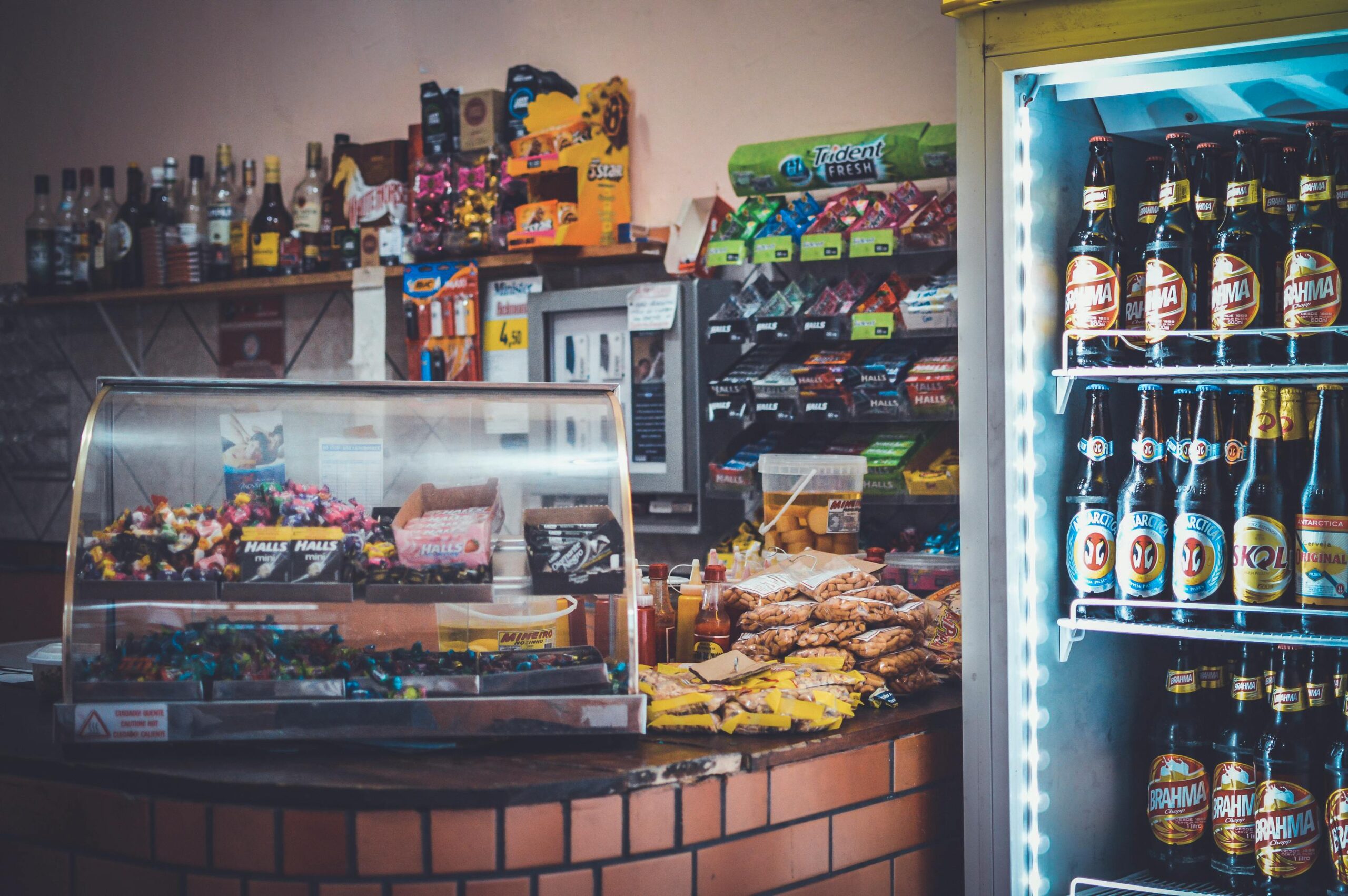
In commercial real estate development, we often highlight the flashy tenants —signature restaurants, boutique retailers, and branded hotels — that make headlines and spark imagination. But some of the most valuable anchors in our developments are the ones people visit multiple times a week without much notice: convenience stores.

At LRE & Co, we’ve learned that brands like Circle K, 7-Eleven, Maverick, and the phenomenon that is Buc-ee’s aren’t just space fillers. They’re traffic drivers, community connectors, and increasingly sophisticated retail operations that can make or break a mixed-use development’s success.

The Traffic Generator You Can Count On

Let’s talk about numbers. The average convenience store experiences 800 to 1,200 customer transactions per day. That’s not just foot traffic you hope for, it’s foot traffic you can count on. Unlike restaurants that depend on mealtimes or retailers that change with seasons and trends, convenience stores see steady, predictable visits every single day.

For developers, this reliability is invaluable. When designing a mixed-use property or retail center, we need tenants that bring steady traffic. A convenience store that opens from 5 am to midnight (or 24 hours) means constant activity. Early morning commuters grab coffee, lunch-hour crowds pick snacks, evening shoppers fuel up, and late-night workers stop by; the cycle never ends.

This steady traffic benefits all nearby tenants. The coffee shop next door catches some of that morning rush. The fast-food restaurant attracts customers who stop for gas on their way home. The dry cleaner or hair salon gains visibility from thousands of weekly passersby who might otherwise overlook them.

Recession-Resistant Revenue

During economic downturns, discretionary spending decreases. High-end restaurants face difficulties. Boutique retailers shut down. But convenience stores? They remain steady or even expand.

Why? Because they sell essentials. People still need gas, milk, bread, coffee, and basic household items regardless of the economic situation. In fact, during recessions, convenience stores often see more customers as shoppers switch from sit-down restaurants to grab-and-go meals or skip large grocery trips for smaller, more frequent buys.

This resilience is essential for developers and lenders. When you’re underwriting a project or securing financing, having recession-resistant tenants in your mix reduces overall portfolio risk. Banks understand this. Properties anchored by established convenience store brands often receive better lending terms due to the predictable revenue these tenants generate.

The Evolution Beyond “Convenience”

The convenience store industry has undergone significant change over the past decade. These aren’t just gas stations with candy racks anymore.

Take Buc-ee’s, the Texas-based phenomenon now expanding nationwide. Their locations aren’t just convenience stores; they’re destinations. Known for their immaculate restrooms, extensive food options, retail merchandise, and an almost cult-like customer following, they have redefined what’s possible in this category. A Buc-ee’s doesn’t just complement a development; it can become the main attraction.

Maverick has similarly raised the bar in the category with its “Adventure’s First Stop” brand positioning, offering quality food service, clean facilities, and a customer experience that rivals that of traditional quick-service restaurants.

Even traditional players like 7-Eleven have invested heavily in fresh food programs, mobile ordering, and delivery partnerships. Many locations now serve as viable alternatives to fast-food chains, not just last-resort options.

This shift shows how convenience stores are competing—and winning—customers against many dining and shopping options. That’s important for developers because it proves durability and flexibility in a fast-changing retail market.

Infrastructure for the EV Transition

As California and other states advance toward electric vehicle adoption, convenience stores are positioning themselves at the heart of this shift. Many operators are installing DC fast-charging stations, knowing that the 20–30-minute charging period creates a captive audience for their retail products.

This is a smart business strategy and well-planned infrastructure. Unlike traditional gas fill-ups that take five minutes, EV charging allows customers time to browse, eat, and shop. Convenience stores with strong food service and retail options are uniquely poised to benefit from this transition.

For developers, this means convenience store tenants aren’t just relevant today; they’re building infrastructure for the transportation landscape of tomorrow.

Site Selection and Synergy

Strategic placement of convenience stores can significantly enhance a development’s economics. Corner spots with high visibility and easy access generate value beyond the lease rate. In our projects, we’ve observed that a well-located convenience store with fuel service can justify higher land costs that might not make sense for other tenant types.

The alliance with other uses is just as important. Convenience stores naturally pair with quick-service restaurants (shared peak hours), daycare centers (morning drop-off traffic), car washes (one-stop errands), and hotels (travelers needing supplies). In mixed-use environments, they provide essential services for residents seeking walkable access to daily necessities.

The Bottom Line

Convenience stores might not earn architecture awards or create social media buzz. However, they provide something more critical: steady traffic, reliable income, and vital community services that keep developments lively and sustainable through every economic cycle.

At LRE & Co, we don’t just welcome convenience store tenants; we actively seek partnerships with quality operators who see themselves as community anchors. Whether it’s Circle K at Folsom Ranch or other locations in our portfolio, these operators show every day that sometimes the most valuable real estate tenants are those people who rely on them without hesitation.

In an industry often chasing the next trend, there’s excellent value in the reliable, consistent, and essential. That’s the core of the convenience store value proposition, and it explains why they’ll remain vital to innovative commercial real estate development for many years to come.


Integrating Hospitality with Retail
CategoriesNews & Blog

Mixed-Use Development Spotlight: Integrating Hospitality with Retail

In today’s competitive real estate market, the most successful developments create ecosystems where each component enhances the value of the others. At LRE & Companies, we’ve seen firsthand how carefully combining hospitality properties with retail and dining experiences creates strong synergies that benefit developers, tenants, and communities alike.

The Evolution of Mixed-Use Development

Today’s travelers and residents seek convenience, variety, and curated experiences all within walking distance. This shift has fundamentally transformed commercial real estate development, particularly when combined with branded hotel properties and retail and restaurant components.

The integration of premium hotel brands, such as Marriott, Hyatt, and Hilton, within mixed-use developments creates an immediate halo effect. These globally recognized brands bring instant credibility, consistent quality standards, and built-in customer loyalty programs that drive traffic to the entire development. When paired strategically with complementary retail and dining options, the result is a destination serving both travelers and the local community.

University Square: A Case Study in Integration

Our University Square project in Rocklin, California, exemplifies thoughtful mixed-use development. This 10-acre development at Sunset Boulevard and University Avenue features a 123-room Hilton Garden Inn, over 20,000 square feet of retail space, quick-service restaurants with drive-thrus, a daycare center, a convenience store, and a car wash.

The strategic positioning creates natural synergies throughout the day. Business travelers at the Hilton Garden Inn have convenient access to morning coffee and quick meals from on-site QSRs. The daycare center serves both hotel guests and local residents, resulting in consistent foot traffic. The convenience store and car wash serve the broader community while also catering to hotel guests who need last-minute essentials.

Located adjacent to William Jessup University with over 3,000 students, and near the developing Sunset Area—which will house campuses for California State University, Sacramento, and Sierra College—University Square benefits from sustained demand from visiting parents, prospective students, academic conferences, and sporting events.


Why Hotel-Restaurant Integration Creates Value

Complementary Operating Hours: Hotels operate 24/7, while restaurants and retail have specific peak hours. This creates a natural traffic flow throughout the day, with hotel guests providing off-peak business for restaurants while diners discover the hotel’s amenities.

Shared Infrastructure: Mixed-use developments offer shared parking, utilities, and common areas, thereby reducing the per-square-foot costs for all tenants. Major hotel brands often justify premium finishes throughout their developments, which might not be economically feasible in standalone retail projects.

Enhanced Financing and Leasing: Nationally recognized hotel brands instill confidence in lenders and retail tenants. Banks view developments anchored by Marriott, Hilton, or Hyatt properties as lower-risk investments, often resulting in more favorable financing terms.

Resilience Through Diversification: Mixed-use developments with hospitality components demonstrate greater resilience during economic downturns. While some sectors may soften, others often compensate for the loss.

Strategic Site Selection

We focus on dynamic intersections in growing markets where multiple demand generators converge. Both University Square and Roseville Junction benefit from proximity to major employers, educational institutions, and recreational amenities within the Sacramento metropolitan area.

Rocklin and Roseville are part of Placer County, one of California’s fastest-growing counties, with expanding employment bases including Oracle, UNFI, K-LOVE, and Thunder Valley Casino. The region offers proximity to Folsom Lake and downtown Sacramento and is within a reasonable driving distance of Lake Tahoe and San Francisco.

These advantages ensure our hotel and retail components benefit from both transient demand (travelers, tourists, visiting family) and local demand (residents seeking dining, entertainment, and services). This dual-demand stream is essential for creating sustainable, long-term value.

Lessons from Our Portfolio

Over the past 25 years, LRE & Companies has developed a diverse portfolio, including partnerships with prominent brands such as Marriott, Hilton, and Hyatt. Our portfolio features the AC by Marriott in downtown Sacramento, the Courtyard by Marriott in Woodland, and the H2 Suites by Hilton in Sacramento.

These partnerships have taught us that success requires more than just placing a hotel next to restaurants and retail. It calls for the thoughtful integration of guest experiences, operational coordination, and a genuine understanding of how the components complement and enhance one another.

Select-service brands, such as Courtyard by Marriott and Hilton Garden Inn, provide the right balance of amenities and service levels for mixed-use environments. They offer sophisticated revenue management systems, global distribution channels, and loyalty programs with millions of members—marketing reach that independent properties cannot replicate.

Looking Ahead

At LRE & Companies, we are dedicated to applying our extensive experience in hospitality, restaurant operations, and commercial real estate to develop mixed-use destinations that become community anchors for years to come. Our collaborations with top brands like Marriott, Hilton, and Hyatt, combined with our insight into local market trends across Northern California and beyond, enable us to deliver projects that generate lasting value for all stakeholders.

For more information about LRE & Companies’ mixed-use developments and hospitality projects, visit lrecompanies.com or contact our development team.

Get in touch

phone

(415) 491 – 1500

4302 Redwood Hwy Suite 200

San Rafael, CA 94903

email

info@lrecompanies.com

Get in touch

phone

(415) 491 – 1500

4302 Redwood Hwy Suite 200

San Rafael, CA 94903

email

info@lrecompanies.com

about us

The LRE & Co is a family organization that has been in real estate development, construction and the food and beverage businesses since 1999. It has been present in major markets throughout northern California and northwest Nevada.

Newsletter

Get latest news & update

© 1999 – lrecompanies.com. All rights reserved.