
CategoriesNews & Blog

The Unsung Anchors: Why Convenience Stores Are Essential to Modern Commercial Real Estate

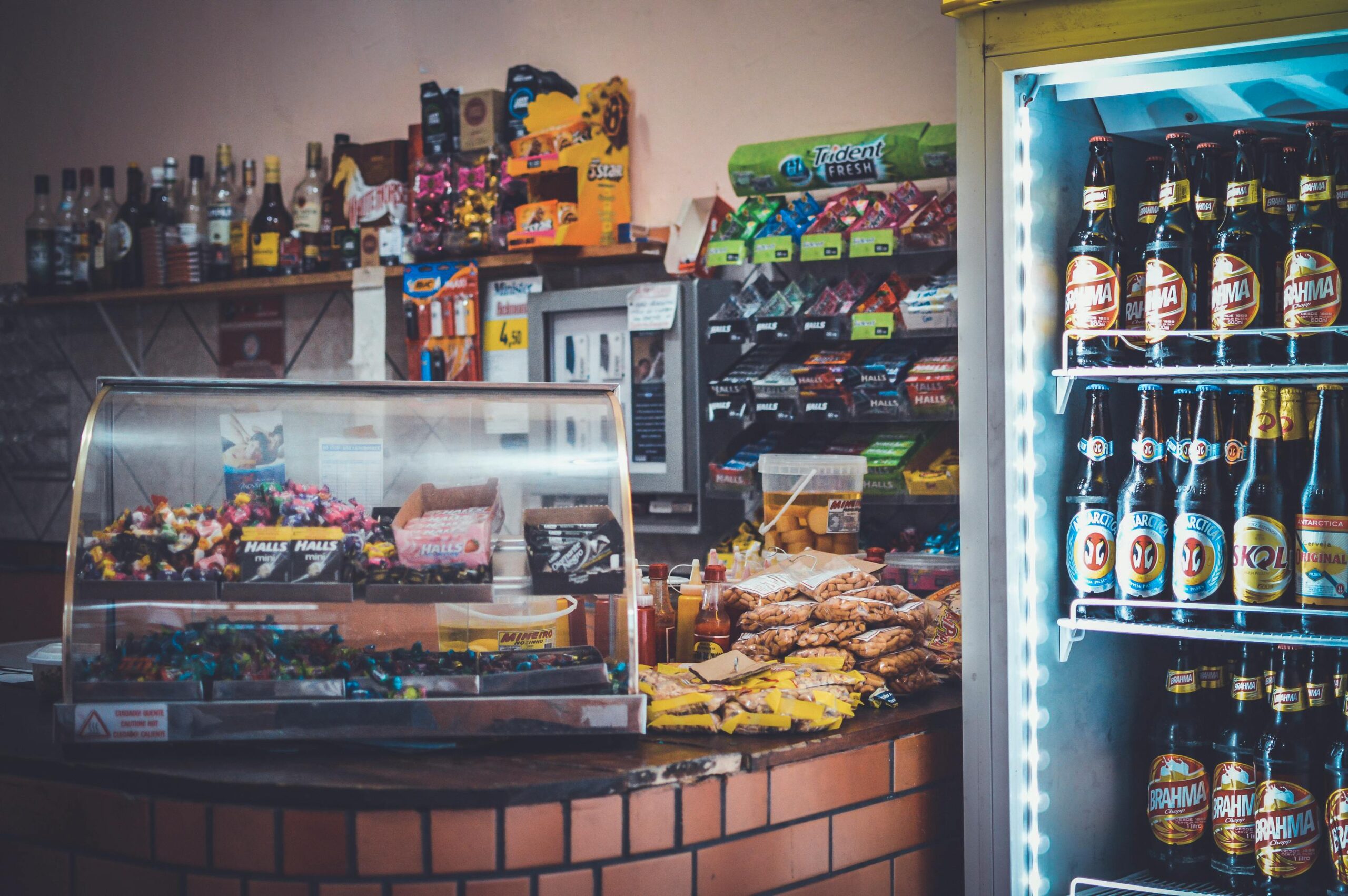
In commercial real estate development, we often highlight the flashy tenants —signature restaurants, boutique retailers, and branded hotels — that make headlines and spark imagination. But some of the most valuable anchors in our developments are the ones people visit multiple times a week without much notice: convenience stores.

At LRE & Co, we’ve learned that brands like Circle K, 7-Eleven, Maverick, and the phenomenon that is Buc-ee’s aren’t just space fillers. They’re traffic drivers, community connectors, and increasingly sophisticated retail operations that can make or break a mixed-use development’s success.

The Traffic Generator You Can Count On

Let’s talk about numbers. The average convenience store experiences 800 to 1,200 customer transactions per day. That’s not just foot traffic you hope for, it’s foot traffic you can count on. Unlike restaurants that depend on mealtimes or retailers that change with seasons and trends, convenience stores see steady, predictable visits every single day.

For developers, this reliability is invaluable. When designing a mixed-use property or retail center, we need tenants that bring steady traffic. A convenience store that opens from 5 am to midnight (or 24 hours) means constant activity. Early morning commuters grab coffee, lunch-hour crowds pick snacks, evening shoppers fuel up, and late-night workers stop by; the cycle never ends.

This steady traffic benefits all nearby tenants. The coffee shop next door catches some of that morning rush. The fast-food restaurant attracts customers who stop for gas on their way home. The dry cleaner or hair salon gains visibility from thousands of weekly passersby who might otherwise overlook them.

Recession-Resistant Revenue

During economic downturns, discretionary spending decreases. High-end restaurants face difficulties. Boutique retailers shut down. But convenience stores? They remain steady or even expand.

Why? Because they sell essentials. People still need gas, milk, bread, coffee, and basic household items regardless of the economic situation. In fact, during recessions, convenience stores often see more customers as shoppers switch from sit-down restaurants to grab-and-go meals or skip large grocery trips for smaller, more frequent buys.

This resilience is essential for developers and lenders. When you’re underwriting a project or securing financing, having recession-resistant tenants in your mix reduces overall portfolio risk. Banks understand this. Properties anchored by established convenience store brands often receive better lending terms due to the predictable revenue these tenants generate.

The Evolution Beyond “Convenience”

The convenience store industry has undergone significant change over the past decade. These aren’t just gas stations with candy racks anymore.

Take Buc-ee’s, the Texas-based phenomenon now expanding nationwide. Their locations aren’t just convenience stores; they’re destinations. Known for their immaculate restrooms, extensive food options, retail merchandise, and an almost cult-like customer following, they have redefined what’s possible in this category. A Buc-ee’s doesn’t just complement a development; it can become the main attraction.

Maverick has similarly raised the bar in the category with its “Adventure’s First Stop” brand positioning, offering quality food service, clean facilities, and a customer experience that rivals that of traditional quick-service restaurants.

Even traditional players like 7-Eleven have invested heavily in fresh food programs, mobile ordering, and delivery partnerships. Many locations now serve as viable alternatives to fast-food chains, not just last-resort options.

This shift shows how convenience stores are competing—and winning—customers against many dining and shopping options. That’s important for developers because it proves durability and flexibility in a fast-changing retail market.

Infrastructure for the EV Transition

As California and other states advance toward electric vehicle adoption, convenience stores are positioning themselves at the heart of this shift. Many operators are installing DC fast-charging stations, knowing that the 20–30-minute charging period creates a captive audience for their retail products.

This is a smart business strategy and well-planned infrastructure. Unlike traditional gas fill-ups that take five minutes, EV charging allows customers time to browse, eat, and shop. Convenience stores with strong food service and retail options are uniquely poised to benefit from this transition.

For developers, this means convenience store tenants aren’t just relevant today; they’re building infrastructure for the transportation landscape of tomorrow.

Site Selection and Synergy

Strategic placement of convenience stores can significantly enhance a development’s economics. Corner spots with high visibility and easy access generate value beyond the lease rate. In our projects, we’ve observed that a well-located convenience store with fuel service can justify higher land costs that might not make sense for other tenant types.

The alliance with other uses is just as important. Convenience stores naturally pair with quick-service restaurants (shared peak hours), daycare centers (morning drop-off traffic), car washes (one-stop errands), and hotels (travelers needing supplies). In mixed-use environments, they provide essential services for residents seeking walkable access to daily necessities.

The Bottom Line

Convenience stores might not earn architecture awards or create social media buzz. However, they provide something more critical: steady traffic, reliable income, and vital community services that keep developments lively and sustainable through every economic cycle.

At LRE & Co, we don’t just welcome convenience store tenants; we actively seek partnerships with quality operators who see themselves as community anchors. Whether it’s Circle K at Folsom Ranch or other locations in our portfolio, these operators show every day that sometimes the most valuable real estate tenants are those people who rely on them without hesitation.

In an industry often chasing the next trend, there’s excellent value in the reliable, consistent, and essential. That’s the core of the convenience store value proposition, and it explains why they’ll remain vital to innovative commercial real estate development for many years to come.


Why California Communities Succeed: The Entitlement Advantage
CategoriesNews & Blog

Why California Communities Succeed: The Entitlement Advantage

There’s a moment in every California development project when everything hangs in the balance. You’ve found the ideal site, run the numbers, and assembled your team. But between that vision and breaking ground lies California’s notoriously complex entitlement process, a challenge that separates successful projects from costly lessons.

Over the past decade, we’ve learned that how you navigate this process not only determines your timeline — it also influences your experience. It fundamentally affects whether your community thrives or struggles from day one.

The Hidden Timeline

Most developers budget 18-24 months for entitlements in California. The best projects we’ve seen. They’re completed in 12-15 months. The difference isn’t luck—it’s understood that entitlement work starts well before you submit your first application.

The California Environmental Quality Act (CEQA) isn’t just about regulatory paperwork. It’s a dialogue with the community about what you’re building and why it matters. Developers who struggle are the ones who treat this as a checkbox task. Those who succeed understand that environmental review is a chance to show you’ve considered all impacts, from traffic to water use to neighborhood character.

We’ve observed projects move smoothly through planning commissions because the developer spent six months beforehand listening, attending neighborhood meetings, and understanding what concerns keep local council members awake at night—building relationships with planning staff who can identify potential issues early, before they turn into formal objections.

This isn’t about manipulation; it’s about authentic partnership. When you approach the entitlement process with community support already established, and planning staff have observed your team’s professionalism on past projects, the process shifts. When your environmental consultants understand every commissioner’s key concerns, it moves from being adversarial to collaborative.

The Oregon Opportunity

Oregon offers a different but equally detailed landscape. While Portland’s permitting process can be as complicated as California’s, smaller markets provide simpler procedures—if you know the unwritten rules.

We’ve learned that Oregon municipalities value developers who demonstrate long-term commitment to their communities. Show up once for a quick-turn project, and you’ll face skepticism. Return consistently, deliver quality, hire locally, and doors open. The same development team that struggled for 18 months on their first Bend project completed their third in nine months. The difference? Institutional trust.

Oregon’s land-use planning system, with its urban growth boundaries and statewide goals, requires a different approach than California’s. But the core principle stays the same: successful developers are those who’ve invested in understanding not just the rules but also the relationships and values behind them.

The Compounding Advantage

Here’s what most people overlook about entitlement expertise: it builds over time. Each project reveals which consultants truly make an impact, which environmental studies and planning commissions examine closely, versus which they overlook. It also shows how to design phases that meet both infrastructure needs and market demand.

The communities we launch today benefit from lessons learned on more than 30 previous projects. We know which traffic engineers Sacramento planner’s trust. We understand how to structure affordable housing components that are financially viable while meeting inclusionary requirements. We’ve learned that spending an extra $50K on architectural renderings for public hearings often saves $500K in later design modifications.

This institutional knowledge resides with our team, those on the ground who have attended hundreds of planning commission meetings, development managers with contacts in every relevant municipality, and construction executives who understand how entitlement decisions affect building costs 18 months later.

Beyond the Permit

Successful entitlement work doesn’t end after you get approvals. The best projects sustain those relationships through construction and into operations. When issues come up —and they always do —having city staff who trust your team makes the difference between quick fixes and delays that threaten the project.

We’ve seen this pattern repeatedly: a utility issue identified during grading is settled with a phone call instead of a formal variance request. A neighbor’s complaint about construction hours is handled proactively because you built goodwill during the entitlement phase. An inspection challenge turns into a collaborative problem-solving session rather than an adversarial confrontation.

The Foundation of Everything

Every amenity we design, every unit we deliver, and every community we build begins with properly done entitlement work. That’s why our California and Oregon communities launch confidently, because the most difficult work is completed long before anyone sees a hard hat on site.

Developers who see entitlements as a necessary evil will always struggle. Those who view it as the foundation of successful development, just as much art as process, and as much relationship as regulation, build communities that succeed from day one.

In markets as complex as California and Oregon, there’s no shortcut. However, there is a better way. It begins with understanding that getting your entitlements right isn’t just about saying yes, it’s about setting up everything that follows for success.

CategoriesNews & Blog

Team Spotlight with Pardip Singh: A Journey from Ice Cream Entrepreneur to Construction Professional

Getting to know the people behind LRE & Co’s success

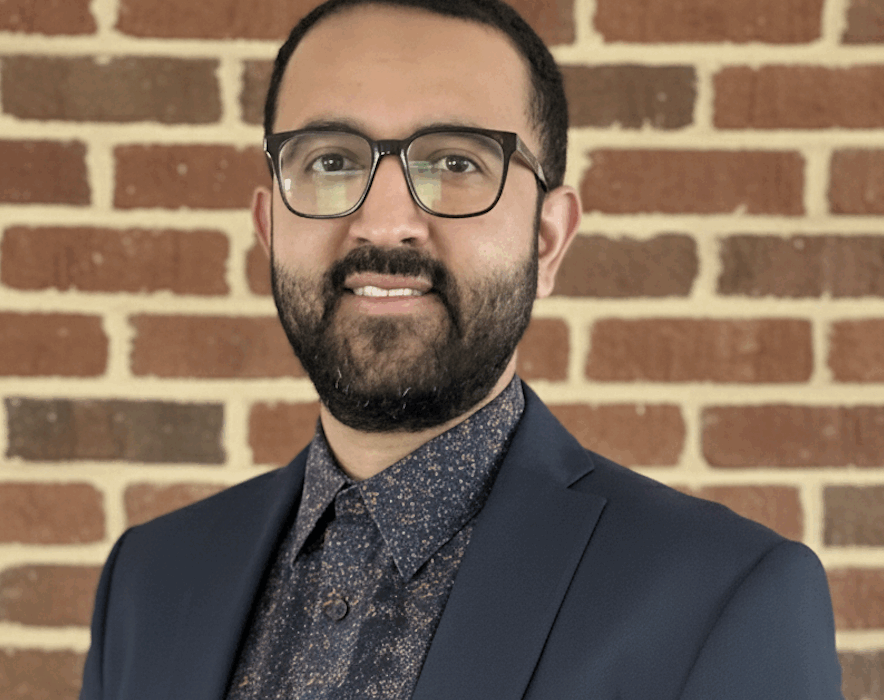
At LRE & Co, our team members come from diverse backgrounds and bring unique perspectives that propel our projects forward. Today, we’re sitting down with one of our valued team members, Pardip Singh, who joined us in July 2025, bringing an unconventional path to construction and a passion for solving complex challenges.

An Unexpected Journey

Not everyone discovers their calling in construction immediately. Before entering the industry, Pardip tried different careers—from managing meat markets and sandwich shops to property maintenance and even running an ice cream truck business.

I used to be a professional ice cream man with my own truck before the recession,” he shares with a laugh. “My parents had been ice cream vendors since the ’90s, but they encouraged me to focus on my education. Most people think I’m joking when I tell them that story!”

Born in India and moving to America in 1995, he eventually secured a small business and property management role that led to construction. “I had never thought this industry would motivate me like it has with all the challenges it presents,” he reflects. “My career path was more aligned with franchise and business management, but construction caught my interest in a way I hadn’t expected.”

Finding Home at LRE & Co

The journey to LRE & Co started with a referral from a mutual contact in February, and the timing finally came together in May. “One sit-down with Akki and Victor, and I knew this was where I wanted to contribute to the vision they both had,” he explains.

Now, his typical day includes project design and plan review, contractor coordination, bid and budget management, endless phone calls, and Teams meetings—the essential rhythm that keeps projects moving forward.

Turning Challenges into Triumphs

When asked about the most challenging projects he’s handled, two stand out: “My first construction job, where we built and opened a hotel during COVID, and a public works school restroom project where everything was wrong.” Despite the obstacles, he successfully managed to redesign the units, get approval from DSA, and reopen before students returned from summer break—forging a strong example of his problem-solving skills and determination.

What motivates him? “The design process introduces me to individuals and knowledge that help me grow as a professional and person.” His background in business operations gives him a unique advantage: “I can visualize the day-to-day challenges tenants or management operations may face and provide solutions for commercial developments.”

Wisdom and Philosophy

One piece of advice has stayed with him throughout his career. When he was just starting as a general manager with a staff of over 25 employees, his uncle—whose company sometimes employed more than 3,500 people—told him: “Anyone can manage a business; managing people is the hardest thing to do.”

“I always think about that,” he says. “It applies to everything, not just managing a business.”

For those just starting their careers, he offers this advice: “It’s okay to not know what you want to be in five years. Just take time to observe and listen to your peers. It will eventually show you where you can be if you apply yourself.”

Life Beyond the Office

When he’s not coordinating projects and reviewing plans, you’ll find him spending quality time with his wife and son, taking day trips to local spots, and cheering for the 49ers. His ideal weekend? “Taking a nap on the couch if my wife lets me,” he admits with humor.

A self-described night owl, he starts his day with an iced dirty chai and approaches life with the same dedication he shows at work. “Being the best role model and person I can be for my son and husband, for my wife”—that’s what motivates him outside the office.

The LRE & Co Difference

What excites him most about LRE & Co? “The vision of ownership and projects in our pipeline has no ceiling,” he says enthusiastically.

When asked about working with the team, his response says a lot about the company culture: “There’s always guidance and support whenever any of us need it.”

At LRE & Co, we believe our strength lies in the diverse experiences and perspectives our team members bring to every project.


CategoriesNews & Blog

LRE & Companies Signs Starbucks Lease in Strategic Nevada Location, Reinforcing Commitment to Execution-Driven Development

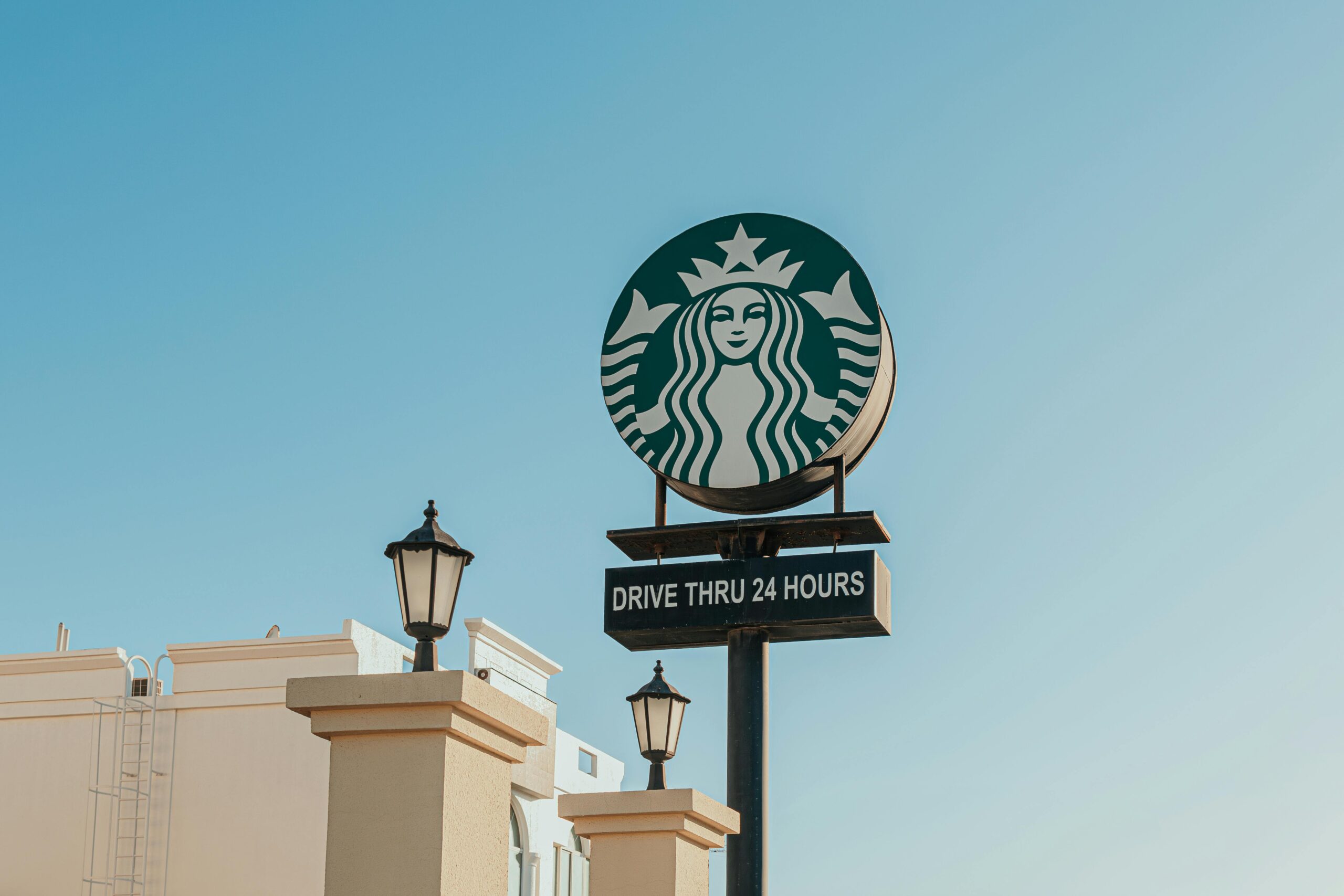
LRE & Companies announced that it has signed a lease with Starbucks Coffee Company for a new location at 755 USA Parkway in Sparks, Nevada. The 2,465-square-foot drive-thru format supports the firm’s view that, in an increasingly competitive coffee and QSR sector, real estate execution—more than brand recognition—determines long-term performance.

Strategic Timing in a Recalibrating Market

The announcement coincides with Starbucks’ “Project Bloom,” which aims to optimize store locations and reinvest in top sites. By FY-2025, Starbucks intends to operate about 18,300 stores in the U.S. and Canada, refresh over 1,000 cafes, and resume net expansion in FY-2026.

USA Parkway isn’t a bet—it’s a growth corridor. With TRIC’s scale and anchor employers like Tesla, Switch, Google, FedEx, and Chewy, the daytime worker base already tops 18,000, and industrial investment continues to compound along the corridor. That combination makes a commuter-oriented, high-throughput drive-thru exactly the right fit here. Starbucks’ recent “Project Bloom” closures are a portfolio reset, not a retreat from strong nodes—brands are pruning to reinvest in formats and trade areas where speed, access, and habit formation are strongest. Our USA Parkway site is designed around those realities: shift-change surges, logistics traffic, clean ingress/egress, and durable demand. We’ll build thoughtfully, partner locally, and keep the convenience playbook tight—even as the broader market recalibrates.

Why This Site Works

The Sparks location exemplifies LRE’s site selection criteria:

  • Drive-thru layout: Queue capacity for about 10 vehicles with optimized traffic flow.
  • Trade area dynamics: Located in the Tahoe-Reno Industrial Center with strong daytime demand.
  • Operational compatibility: Prototype design aligns with current digital ordering trends and customer behavior.
  • Long-term viability: Infrastructure built for Day 1 performance and Year 10 returns.

A Category Under Pressure, and Opportunity

The coffee segment faces intensifying competition from drive-thru-first concepts, particularly Western-born brands scaling with smaller footprints and faster service models. Financial Times analysis suggests this pressure is reshaping category economics, forcing both legacy and emerging players to sharpen execution.

“Competition keeps legacy brands honest and rising brands disciplined,” said Akki Patel, CEO of LRE & Co. “That pressure is healthy. Brands win when operations and real estate pull in the same direction.”

Positioning for Strategic Partnerships

With experience spanning both development and restaurant operations, LRE & Companies brings a dual lens to QSR and fast-casual partnerships. The firm’s development framework addresses:

  • Prototype-to-parcel fit analysis
  • Ingress/egress engineering
  • Queue management optimization
  • Co-tenancy strategy
  • The operational details that compound into strong P&Ls

For brands evaluating expansion partners, LRE offers speed-to-market capabilities, including creative reuse options for landowners and streamlined site development processes.

Housing Crisis
CategoriesNews & Blog

California’s Housing Crisis: The Hidden Commercial Real Estate Consequence

California’s housing crisis has made headlines for years. Still, its significant ripple effect on commercial real estate often goes unnoticed, altering perceptions of property investment, urban planning, and economic growth throughout the state.

The Workforce Migration Problem

The connection is simple but often missed: when employees can’t afford to live near their jobs, commercial real estate declines. We’re seeing a significant outmigration of middle-income workers from California’s big metro areas, especially the Bay Area and Los Angeles. These aren’t just numbers; they include teachers, nurses, retail managers, and skilled tradespeople who form the backbone of our local economies.

This migration creates a paradox for commercial landlords and investors. Class A office buildings in prime locations struggle to maintain occupancy, not because companies don’t want the space, but because they can’t staff their offices. I’ve seen firsthand how businesses are forced to choose between premium locations and accessible ones, often opting for secondary markets where their employees can afford to live.

The Adaptive Reuse Opportunity

However, a crisis sparks innovation. The housing shortage is boosting one of the most exciting trends in commercial real estate: adaptive reuse conversions. Outdated office buildings and underperforming retail centers are increasingly being turned into residential units. Although regulatory hurdles still pose a challenge, California’s building codes weren’t designed for such conversions, but forward-thinking developers are finding ways to overcome these obstacles.

These projects serve dual purposes: addressing the housing shortage while revitalizing struggling commercial buildings. The key is identifying properties with the right fundamentals: adequate ceiling heights, access to natural light, and locations with existing infrastructure.

Retail’s Transformation

The housing crisis is also changing retail real estate. As residential density increases in city centers, often due to required affordable housing projects, we’re seeing a rise in demand for neighborhood-focused retail. Mixed-use developments that combine housing with ground-floor commercial spaces are becoming common, creating walkable communities that cut down on commute times and boost quality of life.

Savvy investors are focusing on emerging neighborhoods with active housing development, expecting increased retail and service demand that comes with residential growth.

The Policy Wildcard

Sacramento’s legislative responses to the housing crisis, like SB 9’s lot-splitting rules and density bonus programs, are fundamentally changing land use economics. Commercial property owners now need to evaluate their holdings from a residential angle, considering whether switching to housing development could provide better returns.

Looking Forward

The intersection of California’s housing crisis and commercial real estate is not temporary; it signals a fundamental shift that demands strategic adaptation. Success will go to those who understand that housing affordability is not just a social issue; it’s a commercial real estate concern with tangible effects on asset values, tenant demand, and investment returns.

The question isn’t whether the housing crisis will continue to affect commercial real estate, but whether we’re ready to change our strategies accordingly.

Connect with LRE & Companies: For development opportunities, partnerships, or to share market insights, contact me at akkip@letapgroup.com or (415) 491-1500.

Habit BurgerHabit
CategoriesCommunity News & Blog

LRE & Co Brings Habit Burger & Grill to Ukiah: Major Restaurant Development Creates Local Jobs and Dining Destination

LRE & Co, a full-spectrum real estate development, asset management, construction, and hotel management firm, is pleased to announce the upcoming opening of a new Habit Burger & Grill location in Ukiah, California. The eagerly awaited restaurant will transform a former Denny’s site through a comprehensive renovation, creating jobs and providing the community with a premier dining experience.

The project has received full approval from local authorities, with the Design Review Board and Minor Site Development Permit secured in March 2025. After a thorough review of construction documents, LRE & Co is now moving forward with final preparations for construction, with groundbreaking anticipated by the end of 2025.

“We’re thrilled to bring Habit Burger & Grill’s exceptional dining experience to Ukiah,” said Akki Patel, CEO at LRE & Co. “This project reflects our dedication to investing in local communities and creating meaningful job opportunities for residents.”

The new Habit Burger & Grill location is expected to generate approximately 30-40 new jobs in the Ukiah area, ranging from entry-level roles to management positions. These jobs will offer competitive wages, growth opportunities, and comprehensive training programs that help local workers develop valuable skills.

The restaurant development also signifies a major investment in Ukiah’s commercial corridor, transforming an underutilized property into a vibrant community hub that will attract visitors and benefit other local businesses.

Habit Burger & Grill, the nation’s number one fast casual restaurant, is renowned for its award-winning Charburgers and made-to-order approach. It serves a full menu of flame-grilled burgers, fresh salads, and hand-cut fries. Founded in Santa Barbara in 1969, the chain has earned a loyal following across California for its commitment to fresh, high-quality ingredients.

“The Habit Burger & Grill has established a reputation for top-notch food quality and excellent customer service,” noted Akki Patel, CEO of LRE & Co. “We’re confident that Ukiah residents will welcome this new dining choice that strikes the right balance of quality, value, and convenience.”

The renovation project highlights LRE & Co’s commitment to sustainable growth and community revitalization. By refurbishing an existing building rather than constructing a new one, the project employs an environmentally friendly approach to expansion while preserving the character of Ukiah’s business district.

The company has worked closely with local officials throughout the approval process to ensure the project meets community standards and promotes the area’s economic growth goals.

With construction documents nearing final approval and the selection of a general contractor underway, the project is well-prepared for a strong start to construction in late 2025.

LRE & Co will announce the official opening date once construction milestones are reached. The company looks forward to celebrating this significant addition to Ukiah’s dining and business scene.

Folsom Ranch
CategoriesNews & Blog

Healthcare Expansion at Folsom Ranch: A Growing Hub for Medical Excellence

Folsom Ranch continues to strengthen its position as one of the Sacramento area’s top mixed-use developments, and the recent announcement of Dignity Health’s $123 million Advanced Ambulatory Care Center marks a significant milestone for the community. Scheduled to break ground this October at the corner of Alder Creek Parkway and McCarthy Way, this 90,000-square-foot facility is more than just another building project — it signifies Folsom Ranch’s rise as a healthcare hub.

A Strategic Healthcare Investment

The Dignity Health center will provide comprehensive outpatient services all in one location, including outpatient surgery, advanced imaging, urgent care, and multiple specialty services such as orthopedics, gynecology, urology, and more. Featuring integrated telehealth options and home-monitoring technology, the facility is built for the modern patient who values convenience without sacrificing quality care.

Opening in summer 2027, the center will employ hundreds of staff and represents phase one of what could eventually become a full medical campus, potentially including an acute care hospital and additional medical office buildings as the community expands.

LRE & Co: Building a Thriving Community

At LRE & Co, we are proud to be developing Folsom Ranch alongside partners who share our vision of creating a lively, full-service community. We have already secured exceptional tenants that meet the diverse needs of Folsom’s growing population.

  • Circle K (Parcel 1) – Providing essential gas station services
  • Dutch Bros (Parcel 2) – Bringing energy and community gathering space
  • The Learning Experience (Parcel 7) – Supporting families with quality childcare
  • Tesla (Parcel 10) – Advancing sustainable transportation infrastructure

These commitments demonstrate strong market confidence in Folsom Ranch, and Dignity Health’s significant investment further confirms the area’s impressive growth path.

Expanding Our Healthcare Focus

The success at Folsom Ranch has strengthened our dedication to developing healthcare-focused projects across the region. Seeing Dignity Health’s significant investment and the high demand for accessible, quality care in expanding communities has motivated LRE & Co to actively seek healthcare tenants for our broader portfolio of developments.

We recognize the unique needs of healthcare providers—strategic locations in high-growth areas, modern facilities, plenty of parking, and proximity to complementary services. The Folsom Ranch model shows how combining healthcare with retail, dining, and essential services helps create thriving communities where residents can truly live, work, and receive care close to home.

The Future is Here

Folsom Ranch signifies more than just rapid growth—it’s about thoughtful development that anticipates community needs. As we progress with projects across the Sacramento area, we’re looking for healthcare partners who share our vision of accessible, patient-focused care in vibrant, expanding communities.

For healthcare companies interested in exploring opportunities across LRE & Co. ‘s portfolio of developments, please get in touch with us today to discuss how we can support your expansion goals.

Northern California's Industrial Real Estate Boom
CategoriesNews & Blog

Northern California’s Industrial Real Estate Boom: A Market in Transition

Northern California’s industrial real estate sector continues to be a dominant force in the commercial property market, even as the industry adapts to the aftermath of years of rapid growth. The region’s industrial market is experiencing a significant shift, creating both challenges and opportunities for investors, developers, and tenants.

The Foundation of Sustained Growth

The Bay Area’s industrial market has demonstrated strong resilience, thanks to the region’s strategic location as a logistics and distribution hub. Prologis, the largest industrial property owner in the San Francisco Bay Area, manages 285 properties totaling over 30 million square feet that serve 600 customers. Additionally, 2 million square feet of logistics space is planned to meet the rising demand from customers across the region.

We’re witnessing a fundamental shift in how businesses approach their supply chain strategies,” says Akki Patel, CEO of LRE & Companies. “Northern California’s proximity to major ports, tech centers, and consumer markets makes it an indispensable part of the logistics puzzle. While we’re seeing some market normalization, the underlying demand for drivers remains incredibly strong.

Market Dynamics and Current Trends

The industrial sector has experienced significant changes over the past year. The San Francisco Bay Area industrial market closed Q2 2025 with an overall vacancy rate of 6.6%, with net absorption of negative 2,028,923 square feet. This represents a cooling from the hyper-competitive market conditions seen in previous years, when the market experienced 50% to 70% year-over-year rent growth, which was unprecedented.

The logistics sector remains stable, with vacancy rates holding at the long-term average of 5.8%, even as flex space vacancy rates increase. This contrast underscores the ongoing strength of e-commerce and distribution-focused properties.

The E-Commerce Effect

Major players continue to invest heavily in the region’s industrial infrastructure. Amazon has reignited its Bay Area real estate expansion with a significant industrial lease, committing to more than 1.2 million square feet of new warehouse space. This type of large-scale commitment underscores the ongoing importance of Northern California as a distribution and fulfillment hub.

The e-commerce boom has permanently shifted consumer expectations around delivery speed and convenience,” explains Patel. “Companies need to be closer to end consumers, and Northern California’s population density and purchasing power make it a key location for any serious distribution strategy.

Regional Hotspots and Development Activity

Silicon Valley, located in the San Jose/Sunnyvale/Gilroy areas, saw new developments, with over 1.1 million square feet of new space delivered in 2024. However, more than 20 percent of that space is still available for lease. This activity demonstrates both confidence in long-term demand and the challenge of aligning new supply with market absorption.

The East Bay remains a vital area for industrial growth, offering more affordable options while maintaining strong transportation connections. These submarkets are attracting increasing interest from tenants who want to balance costs with operational efficiency.

Looking Ahead: 2025 and Beyond

Industry forecasts point to a stable period as the market absorbs recent supply increases. The demand for warehouse and logistics spaces is expected to rise significantly, indicating that although growth may slow from peak levels, the overall trend stays positive.

“We’re entering a more balanced market environment,” notes Patel. “The days of 70% annual rent increases are behind us, but that’s actually healthy for the ecosystem. Tenants can make more strategic long-term decisions, and developers can focus on quality and efficiency rather than just racing to deliver square footage.”

Investment Opportunities

The current market conditions offer unique opportunities for sophisticated investors. While vacancies have increased slightly, they are still well below historical averages in many submarkets. The average industrial vacancy rate nationwide rose to 6.1 percent in the second quarter of 2024, remaining well under the double-digit rate seen during the Great Financial Crisis.

For investors and businesses considering Northern California’s industrial market, understanding the differences between various property types and locations is essential. Logistics and distribution facilities continue to garner top interest, while flex spaces may offer valuable opportunities for appropriate uses.

Conclusion

Northern California’s industrial real estate boom is evolving rather than coming to an end. The market is transitioning from rapid growth to sustainable expansion, fueled by unique geographic advantages and strong demand fundamentals. For stakeholders who understand these trends, the current landscape offers compelling opportunities to participate in one of the nation’s most dynamic industrial markets.

As the market matures further, success will increasingly rely on strategic positioning, operational efficiency, and thorough market knowledge —precisely the environment where experienced professionals can generate lasting value.


CategoriesNews & Blog

The Art of Patient Capital: Why a Long-Term Vision Prevails in Today’s Real Estate Market

In an era dominated by quarterly earnings reports and instant gratification, the commercial real estate industry finds itself at a vital crossroads. While some chase quick profits and superficial gains, true transformative development demands something increasingly scarce in today’s market: strategic patience.

At LRE & Companies, we’ve built our reputation on the belief that the most valuable real estate ventures don’t stem from hurried decisions or opportunistic flips. Instead, they result from thorough market analysis, community insight, and the discipline to wait for the right opportunity to emerge.

Beyond the Quick Win Mentality

The pressure for quick returns has never been greater. Investors seek fast exits, developers pursue quick turnover, and market volatility makes patience seem like a luxury few can afford. However, this emphasis on short-term gains often results in leaving money on the table and ignoring community needs.

Patient capital isn’t about acting quickly; it’s about being strategic with timing. When we evaluate potential developments, we look beyond immediate profit to understand the community’s future, demographic shifts, and long-term economic factors. This broad approach helps us identify opportunities others might overlook because they require a longer development timeframe.

The Community-First Advantage

“True value creation in real estate happens when you align long-term vision with community needs,” says LRE & Co, CEO Akki Patel. “We don’t just build buildings—we build lasting partnerships with the communities we serve, and that requires patience to understand what those communities actually need.”

This philosophy guides our investment strategy. Instead of pursuing projects that promise quick returns but offer little lasting value, we focus on developments that enhance economic vitality and social progress. These projects often take more time to develop and require more initial analysis, but they consistently deliver better long-term results.

Strategic Patience in Practice

Patient capital manifests in several key ways throughout our development process. We perform a thorough market analysis, taking the time to understand not only current conditions but also upcoming trends. We work closely with local stakeholders to ensure our projects address genuine community needs, rather than creating solutions that look for problems.

Most importantly, we keep the financial flexibility to withstand market cycles. While competitors scramble during downturns, patient capital allows us to keep developing quality projects when construction costs are lower and competition diminishes.

The Long-Term Payoff

The results speak volumes. Our disciplined approach to patient capital has allowed us to build a portfolio that performs well across various economic cycles. By emphasizing low volatility and sustainable returns instead of quick profits, we’ve created projects that strengthen community bonds while providing steady value to our investors.

“What excites me most about the next decade is the potential to create developments that truly enhance community vitality. As we see demographic shifts and changing needs, patient capital allows us to build solutions that will serve these communities for generations,” says LRE & Co, CEO Akki Patel.

In today’s fast-paced market, strategic patience isn’t just a competitive advantage—it’s essential for long-term success in commercial real estate development.

To learn more about how we can help you, please visit https://lrecompanies.com or email us at info@lrecompanies.com.

Get in touch

phone

(415) 491 – 1500

4302 Redwood Hwy Suite 200

San Rafael, CA 94903

email

info@lrecompanies.com

Get in touch

phone

(415) 491 – 1500

4302 Redwood Hwy Suite 200

San Rafael, CA 94903

email

info@lrecompanies.com

about us

The LRE & Co is a family organization that has been in real estate development, construction and the food and beverage businesses since 1999. It has been present in major markets throughout northern California and northwest Nevada.

Newsletter

Get latest news & update

© 1999 – lrecompanies.com. All rights reserved.