
CategoriesNews & Blog

Multi-Generational Developments: Creating Spaces That Serve Families, Young Professionals, and Retirees

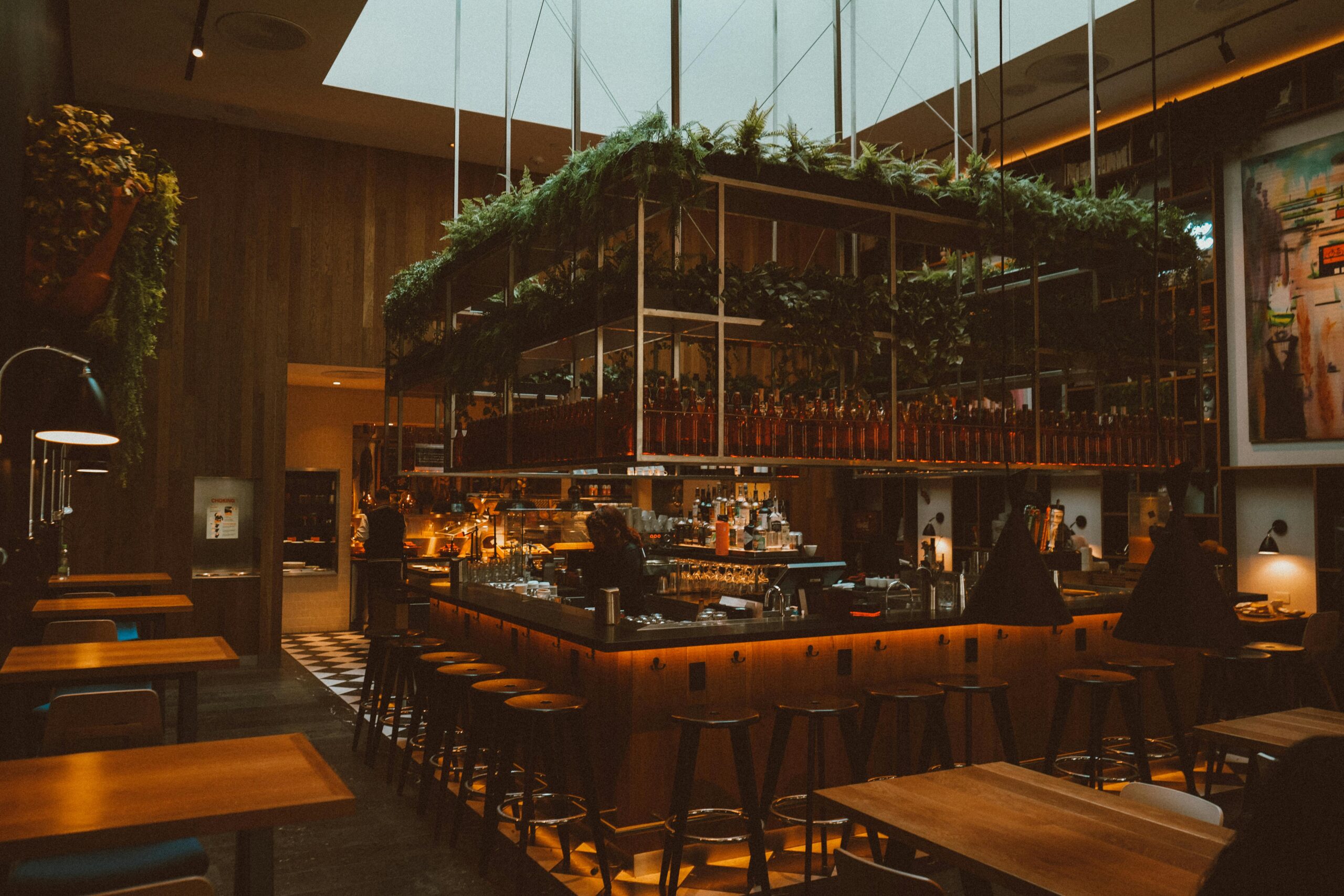
The American community is evolving, and commercial real estate must evolve with it. Today’s most resilient projects embrace multi-generational appeal, creating spaces where a grandmother can meet friends for coffee, her daughter can attend a fitness class, and her grandson can pick up dinner, all within the same development.

This shift toward multi-generational planning isn’t just socially conscious development; it’s smart business. Developments that serve diverse age groups generate natural cross-traffic, extended operating hours, and recession-resistant tenant mixes. As millennials raise families, Gen Z enters the workforce, and baby boomers redefine retirement, the ability to serve multiple generations simultaneously has become a critical success factor.

Understanding the Multi-Generational Landscape

Effective multi-generational development begins with understanding the distinct needs of each life stage. Young professionals prioritize convenience, social experiences, and wellness. They seek coffee shops with strong Wi-Fi for remote work, fast-casual dining, boutique fitness studios, and services that simplify urban living.

Families with children require different amenities. They need grocery stores with ample parking, family-friendly restaurants, pediatric services, and retail options that serve multiple generations in a single trip, such as sporting goods stores, toy retailers, and family entertainment venues.

Retirees are an increasingly important demographic with substantial purchasing power and time flexibility. They value accessible healthcare, quality casual dining, specialty retail that caters to hobbies, and social gathering spaces. Importantly, many retirees reject age-restricted environments, preferring vibrant, multi-generational communities where they remain engaged with broader society.

The Tenant Mix Strategy

Creating successful multi-generational developments requires intentionally curating tenant mixes that meet overlapping needs without direct competition. The key is to identify anchor tenants that naturally appeal to multiple age groups, then layer in generation-specific offerings.

Healthcare and wellness services have multi-generational appeal. A medical office building housing family practitioners, pediatricians, specialists, and urgent care serves patients from infancy through retirement. Adjacent pharmacy services and physical therapy create a healthcare ecosystem that enables entire families to access care, generating consistent daytime traffic.

Food and beverage offerings offer perhaps the greatest opportunity for multi-generational programming. The most successful developments strategically layer options: a quality grocery anchor serving all demographics, fast-casual concepts for busy professionals and families, full-service restaurants for celebrations, and coffee shops serving as social hubs for everyone from students to retirees.

Fitness and recreation services increasingly bridge generational divides. Modern fitness concepts, boutique studios, climbing gyms, and family recreation centers draw diverse age groups for different reasons. Parents appreciate childcare availability, young professionals seek specialized classes, and retirees value low-impact options and community programming. These uses generate traffic during traditionally slow retail hours.

Design Considerations That Matter

Physical design plays an equally critical role in multi-generational success. Developments must balance accessibility for mobility-limited seniors and parents with strollers with the dynamic atmosphere that attracts younger demographics. Wide sidewalks, minimal grade changes, automatic doors, and ample seating create inclusive environments without sacrificing vibrancy.

Parking strategies become more nuanced in multi-generational contexts. While young professionals may prefer walkability, families and seniors typically require convenient surface parking. Successful developments often employ hybrid approaches: structured parking near residential and office uses, with surface lots serving medical offices and grocery anchors.

Outdoor spaces deserve particular attention. Well-designed plazas and green spaces create gathering points where generations naturally intersect. A plaza with movable seating accommodates morning coffee groups of retirees, lunchtime workers, and evening family gatherings. Playground areas adjacent to restaurant patios allow parents to dine while supervising their children.

Economic Resilience Through Diversity

The economic logic of multi-generational development extends beyond simple traffic generation. Diverse tenant mixes provide stability across economic cycles. Essential services such as healthcare and grocery stores sustain occupancy during downturns, while discretionary retail and dining capture spending during growth periods. The result is more stable cash flows and enhanced asset value.

Multi-generational developments also benefit from natural succession planning. As young professionals age into family formation, they continue patronizing familiar businesses while discovering new offerings. Families with young children eventually become empty nesters, seeking different services within the same trusted development. This lifecycle loyalty creates sustained demand and reduces tenant turnover.

The Community Integration Imperative

Perhaps most importantly, multi-generational developments foster genuine community connection in an increasingly fragmented society. When developments serve diverse populations, they become authentic gathering places where neighbors of different ages interact naturally. The grandmother who shops weekly encounters the young parent she’s watched move in, and the remote worker recognizes the retired veteran who walks his dog past each morning.

This community integration delivers tangible value. Developments perceived as community centers command premium rents, attract quality tenants, and maintain high occupancy. They become destinations rather than mere convenience stops, generating repeat visits and extended dwell times that drive retail success.

Looking Forward

As American demographics continue to diversify, multi-generational development will shift from a competitive advantage to a baseline expectation. Developers who master serving diverse populations simultaneously, through thoughtful tenant curation, inclusive design, and authentic community building, will create the enduring, valuable assets that define successful commercial real estate for decades to come.

 

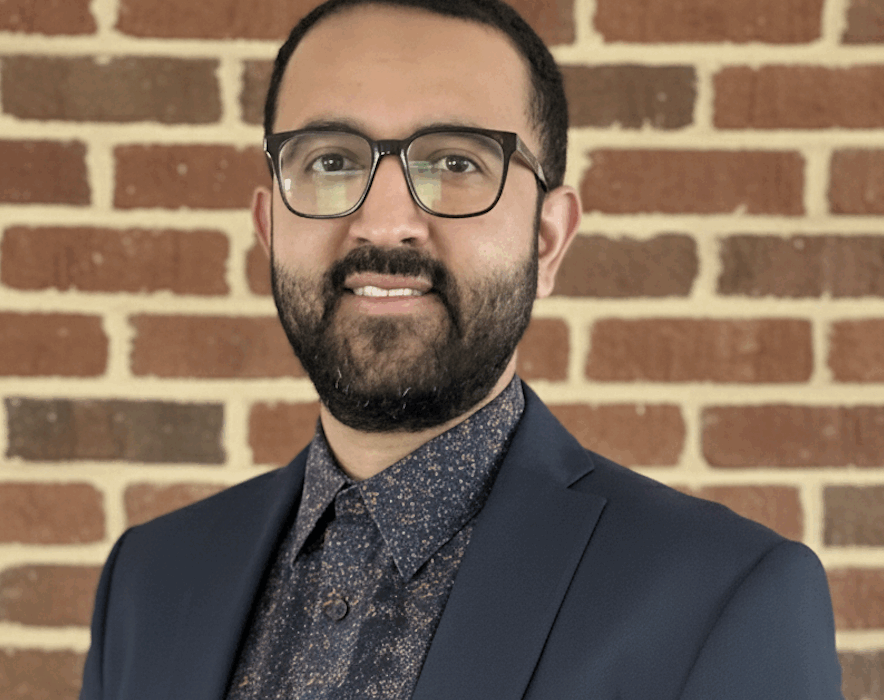
Project Manager
CategoriesNews & Blog

Behind the Build: A Day in the Life of a Commercial Real Estate Project Manager

Most people notice the finished project, such as a shiny new restaurant, a busy retail space, or a modern hotel hosting its first guests. However, they don’t see the numerous decisions, challenges, and coordination efforts behind the scenes that turn these visions into reality.

At LRE & Co, our project managers are the conductors of this complex orchestra, coordinating architects, engineers, contractors, tenants, outside consultants, and municipalities to turn vision into reality. We work with a trusted network of specialized consultants, including civil engineers, environmental specialists, landscape architects, and land-use attorneys, all of whom are vital members of the project team. To give you a glimpse of what this looks like, we shadowed one of our seasoned project managers for a typical workday managing multiple active developments across California and beyond.

The Early Start

The day begins before most construction sites come to life. Over coffee, our project manager reviews overnight emails from contractors in different time zones and checks weather forecasts for three project locations. A storm system moving through Southern Oregon could affect concrete pours scheduled for later in the week at our Medford project. That detail might seem minor, but it could cascade into schedule delays if not addressed proactively.

The morning also includes a routine review of the day’s priorities across five active projects at various stages of development. One project is in the entitlements phase, navigating the planning commission approval process. Another is mid-construction, addressing inevitable field conditions that differ from the drawings. A third is approaching completion, with punch list items and final inspections on the horizon.

The Morning Coordination Call

The first formal meeting of the day is a construction coordination call with the general contractor, civil engineer, and key subcontractors for a quick-service restaurant project currently under construction. The civil engineer is one of our outside consultants, bringing specialized expertise in site development and utilities. Today’s agenda covers the underground utility installation schedule, conflicts between the grease interceptor location and existing drainage, and coordination of the paving timeline with the drive-through lane striping.

What sounds straightforward on paper becomes a negotiation of competing priorities and constraints. The paving contractor has a narrow weather window. The utility work is two days behind schedule. The tenant has equipment delivery scheduled that requires the paving to be finished. Our project manager facilitates solutions by adjusting schedules, reallocating resources, and ensuring everyone understands how their piece fits into the larger puzzle.

Tenant Coordination

Next up is a call with the real estate and construction teams of a national franchise tenant. They’re reviewing storefront signage design, exterior lighting specifications, and equipment specifications for a location currently in the planning phase. The conversation will align with the tenant’s brand standards and local sign ordinances, address energy code compliance for exterior lighting, and coordinate utility capacity for kitchen equipment loads.

This is where deep knowledge of local regulations becomes invaluable. Our project manager can immediately flag that the proposed monument sign height exceeds the local jurisdiction’s limits, saving weeks of back-and-forth revisions. Years of experience navigating these requirements across multiple markets enable us to anticipate issues before they become problems.

Site Visit

By mid-morning, it’s time to leave the office for the most critical part of the job: being on site. Today’s visit is to a multi-tenant retail building in the framing stage. Hard hats on, the project manager walks the site with the superintendent, reviewing progress against the schedule and quality standards.

The walk-through reveals what conference calls and email updates can’t capture. Framing is progressing well, but there’s a discrepancy between the architectural drawings and the actual site conditions for the storefront glazing rough opening. The project manager photographs the condition, takes measurements, and immediately calls the architect, an outside consultant, and a key team member to discuss solutions while still on site. This real-time problem-solving and collaboration prevent the crew from incorrectly framing and having to tear out and rebuild, saving both time and money.

The site visit also includes reviewing safety protocols, discussing upcoming inspections, and walking through scheduled material deliveries for the following week. Our project manager checks that the proper materials are staged, confirms the crane rental for HVAC equipment installation, and discusses weather contingency plans with the superintendent.

Plan Review and Permitting

Back at the office after grabbing lunch, the afternoon focuses on a project in the entitlement phase. Our project manager reviews the latest set of civil engineering plans, prepared by our outside civil engineering consultant, before submission to the city, ensuring that all check comments from previous plans have been addressed. This detailed review uncovers a missing call-out for ADA-compliant parking striping and a dimension error in the trash enclosure locations, small details that would have caused plan review delays if submitted incorrectly.

There’s also coordination with the planning department regarding an upcoming Site Plan and Architectural Commission hearing. Our project manager is preparing presentation materials, anticipating questions from commissioners, and ensuring all required notices are complete.

Budget and Schedule Management

Project management isn’t just about construction coordination; it’s also about financial stewardship. The afternoon includes reviewing contractors’ change order requests, assessing whether the costs are justified, and determining the impact on the overall project budget and timeline.

One change order is legitimate, driven by unforeseen soil conditions that require additional engineering. Another is questionable, with the contractor seeking further compensation for work that should have been included in the original scope. Our project manager pushes back with documentation and contract language, protecting our clients’ interests while maintaining positive contractor relationships.

Stakeholder Updates

As the workday winds down, our project manager prepares updates for ownership and stakeholders. These communications distill the day’s activities, challenges, and solutions into clear, actionable information. Progress photos from the morning site visit are compiled. Schedule updates reflecting the day’s decisions are documented. Budget-tracking spreadsheets are updated to reflect the impacts of change orders.

Tomorrow’s Preparation

Before logging off, our project manager reviews tomorrow’s schedule: two more site visits, a preconstruction meeting for a project breaking ground next month, and a critical utility coordination meeting with the local power company. Materials and information needed for each meeting are prepared and organized.

The Real Work

A day in the life of a commercial real estate project manager isn’t glamorous. It’s about anticipating problems before they arise, coordinating dozens of moving parts, making informed decisions quickly, and maintaining relationships across a complex web of professionals, from in-house team members to outside consultants, all working together toward the same goal.

At LRE & Co, our project managers have years of experience across diverse markets and project types. They understand that successful commercial development requires equal parts technical expertise, communication skills, problem-solving ability, and attention to detail. It’s demanding work, but watching a project transform from concept to completion makes every early morning and every challenging day worthwhile.

The finished building that opens for business represents thousands of decisions, hundreds of coordination efforts, and the dedication of an entire team—project managers, outside consultants, contractors, and specialists—all working together to ensure every detail is executed correctly. That’s what happens behind the scenes.


CategoriesCommunity News & Blog

LRE & Co Announces New Commercial Development in Medford, Oregon

Today, we announced plans for the Medford project, a new commercial development in Medford, Oregon. This marks the company’s ongoing growth and expansion into the Oregon market over recent years.

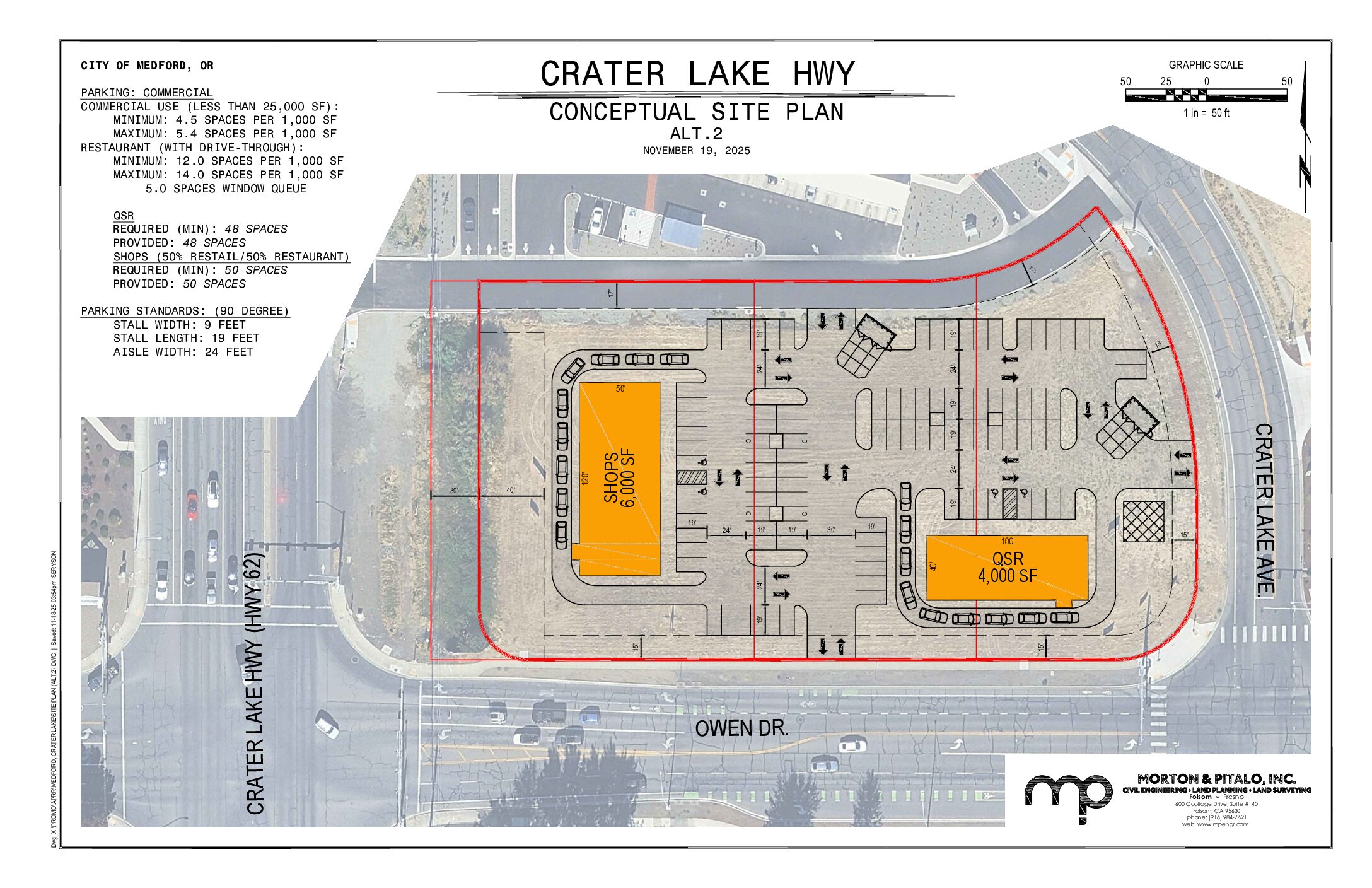
Located along Crater Lake Highway (Highway 62) in the Tower Business Park, the Medford project will feature approximately 10,000 square feet of commercial space, including a 4,000-square-foot quick-service restaurant with a drive-through and a 6,000-square-foot multi-tenant retail building with a drive-thru.

“We’re thrilled to introduce the Medford project to Southern Oregon,” said Akki Patel, CEO of LRE & Co. “This development reflects our commitment to creating quality commercial spaces that serve both businesses and the communities they’re part of. Medford’s strategic location and strong growth trajectory make it an ideal market for LRE & Co’s expansion beyond our traditional Northern California footprint.”

The development will include approximately 98 parking spaces, two drive-through facilities, and pedestrian-friendly design elements throughout the property. The site is strategically positioned along Crater Lake Highway to capitalize on strong traffic while remaining compatible with the surrounding business park.

LRE & Co is currently working through the city’s entitlement process, including Site Plan Review with the Medford Site Plan and Architectural Commission. Tenant announcements and construction timelines will be released as the project advances through the city’s approval process.

CategoriesNews & Blog

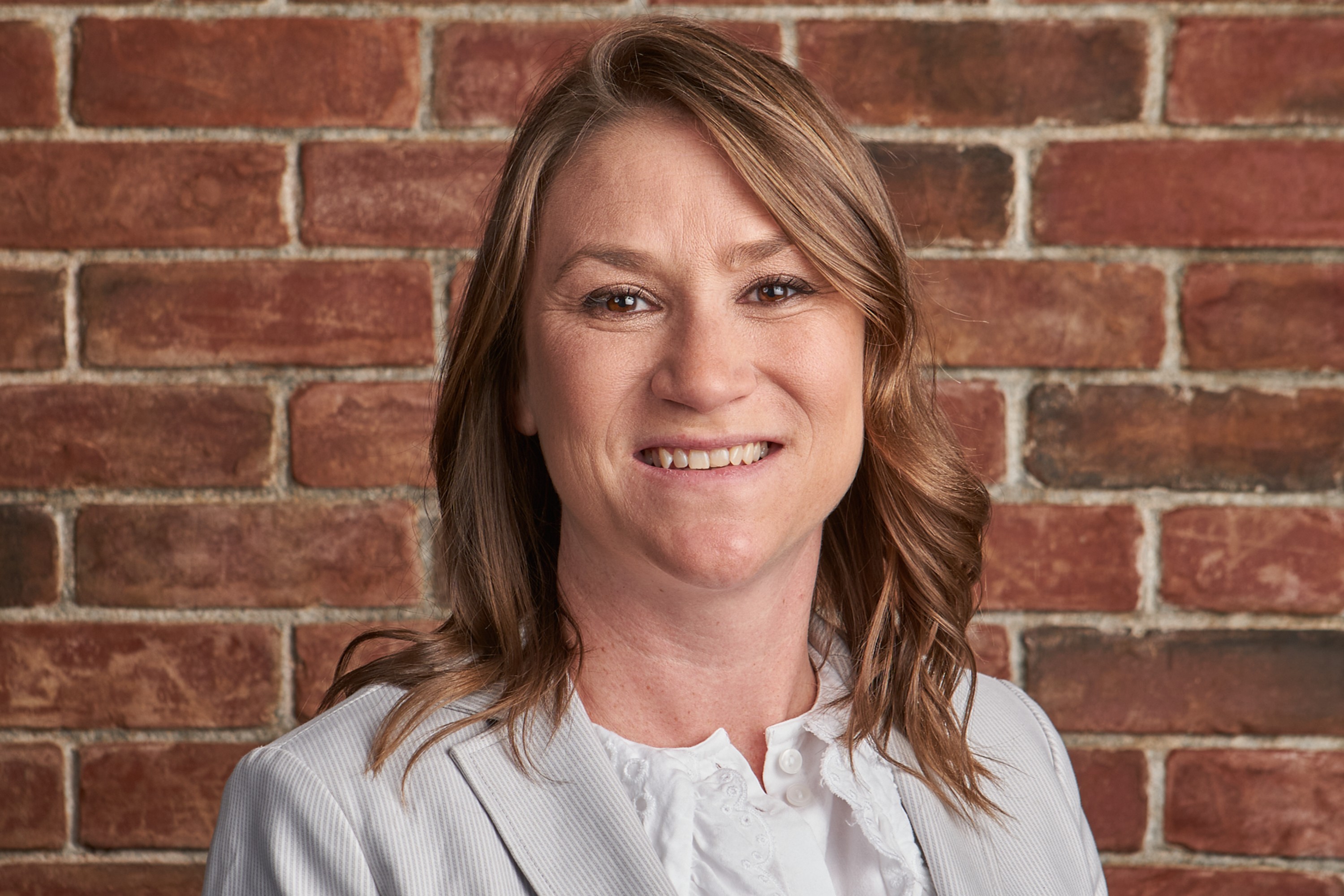
Team Spotlight: Meet Amber Lonski, Director of Leasing and Construction

At LRE & Co, our team members wear many hats, and few embody that spirit more than Amber Lonski. As a Due Diligence Coordinator, Entitlement Manager, Project Manager, and more, Amber is the organized force that keeps our complex projects on track from concept to completion.

From Healthcare to Real Estate

Amber’s journey to LRE & Co took an unexpected turn. After 15 years in the medical field, including 12 years managing a family practice and three years managing a dermatology office, she found herself craving something different. “While I loved helping people, I felt like I was created for something more,” she reflects.

That “something more” led her to real estate and construction. Since joining LRE & Co. in July 2020, Amber has been fascinated by the building process itself and by how projects evolve from initial concepts into thriving businesses that serve communities.

The Art of Staying Organized

When you’re juggling multiple projects with countless moving parts, organization isn’t just helpful; it’s essential. “I am extremely organized,” Amber says. “The process is not easy. There are multiple steps, and if you miss one, it could cause a major delay. Having things organized helps streamline the process.”

Her typical day involves focusing on one project at a time while remaining ready to pivot. “Multiple fires come up daily, so I work my way through them and keep going,” she explains. It’s this combination of structure and adaptability that makes Amber invaluable to our team.

Finding Reward in the Journey

What keeps Amber passionate about her work? “Creating new businesses and opportunities,” she says without hesitation. “The process is so long from start to finish. It’s rewarding when the business is open and operating. Just to sit back and think, ‘I helped with that,’ is truly amazing.”

Take the Roseville Junction project, for example, which remains active and presents new challenges daily. “You just need to put your head down, breathe, put on your thinking cap, and get through the issues, one at a time,” Amber notes. Her persistence is her superpower: “I stick with things until they’re done.”

Looking Ahead

Amber sees exciting changes on the horizon for the industry. With the rise of online shopping, she believes people are craving more gathering spaces and experiences, a shift that aligns perfectly with LRE & Co.’s vision. “It’s exciting to see what comes next,” she says.

Regarding her future with the company, Amber has ambitious goals: “I would like to partner up at some point and invest in some of our projects. Just having that opportunity would be huge.”

Beyond the Office

When she’s not navigating the complexities of real estate development, you’ll find Amber outdoors, especially now that she has a new companion. Her pug, Benson Boone, who turns one on Christmas Day, keeps her active and exploring new places. “I enjoy taking him to new places and seeing his excitement,” she says.

Her perfect weekend? Home improvement projects (she’s completely renovated her house), family and friend gatherings, and trips to the dog park. She’s also a dedicated practitioner of hiking, yoga, and meditation, “needed in this line of work,” she adds with a laugh.

Amber’s go-to beverage? An iced double-shot chai tea latte. She describes herself as someone who “dabbles in both worlds” when it comes to being a morning person or a night owl—fitting for someone who needs to be ready for anything.

Words to Work By

When asked about the best advice she’s ever received, Amber offers wisdom that serves her well in the fast-paced world of development: “Breathe and think before you react.”

For those just starting their careers, her guidance is simple: “Open your ears and learn as much as you can.”

And perhaps most importantly, she’s learned from the LRE & Co team that flexibility is key: “The process can start with one plan and end with something entirely different. You need to be willing to adapt to the constant changes in this field.”

Making an Impact

What makes LRE & Co stand out? According to Amber, it’s our willingness to tackle ambitious projects and phase them strategically. “We are not afraid to tackle the big projects,” she says proudly.

As someone working “in the trenches,” as she puts it, Amber knows her role is crucial to whether projects materialize and, ultimately, to LRE & Co’s mission of creating economic opportunities and positive community impact.

CategoriesNews & Blog

California Hospitality Market 2025: A Developer’s View from the Frontlines

At LRE & Co, we develop hospitality properties, as well as retail and mixed-use spaces, throughout Northern California. When you’re in the business of creating places where people stay, you learn to interpret the market not through press releases but by understanding what truly works in practice. 

The California hospitality market in 2025 tells a nuanced story—one that’s neither the doom-and-gloom narrative some headlines suggest nor the triumphant recovery others celebrate. It’s more complex than that, and understanding this complexity is essential for anyone investing capital in this space. 

The California Reality: Strong Fundamentals, Stubborn Challenges 

California’s hotel industry market size reached $37 billion in 2025, growing at an average annual rate of 12.4% since 2020. That sounds impressive until you look at what’s really happening underneath those numbers. 

California hotel sales volume fell by 15.3% in 2024 compared to 2023, while the number of individual sales decreased by 7.5%. More worrying, foreclosure activity surged significantly—from 53 notices of default filed in December 2023 to 86 in December 2024. The gap between buyer and seller expectations remains large, with many sellers still hoping for 2021-2022 pricing that today’s market cannot support. 

This gap presents opportunities for well-funded buyers willing to wait, but it also indicates real struggles in parts of the market. Hotels that succeeded during the post-pandemic boom are finding that 2025 requires different approaches than 2022 did. 

Regional Performance: The Tale of Three Markets 

Southern California’s three primary markets—San Diego, Los Angeles, and Orange County—each tell distinct stories. 

San Diego leads the state with a 12-month average occupancy of 73.8% through June 2025, consistently outperforming other California markets. RevPAR grew 2.4%, exceeding the national average of 1.5%. The market benefits from diverse demand generators: leisure attractions such as the San Diego Zoo and beaches, major conventions including Comic-Con with 135,000+ attendees, and strong weekday business from the life sciences, healthcare, and military sectors. 

But even San Diego faces challenges. The large 1,600-room Gaylord Pacific Resort opened in May 2025, adding significant new supply. Leisure travel, which accounts for about 55% of room nights, experienced modest declines during the summer as budget-conscious travelers chose vacation rentals or alternative destinations. 

Los Angeles saw RevPAR grow 5% in Q1 2025, driven in part by displaced residents and recovery teams from January’s wildfires. While the fires didn’t damage hotels or major attractions, this created unusual demand that may not persist. Inbound international travel remains below pre-pandemic levels, accounting for under 20% of hotel room demand, compared with nearly 25% in 2019. 

Orange County has effectively stopped new construction due to high costs, creating supply constraints that support existing properties but limit market growth. 

The Western States: Las Vegas Sets Records, Arizona Builds Momentum 

Las Vegas continues its impressive run. The market welcomed 40.8 million visitors in 2024, and while occupancy at 83.6% still falls short of pre-pandemic levels, ADR reached $193.16, and RevPAR hit $161.48—record figures for the third year in a row. Gaming revenue for Clark County totaled $13.5 billion, setting another annual record. 

What Vegas shows is that experience-driven hospitality can charge premium rates even when occupancy isn’t fully back. The new developments, attractions, and events—like the Sphere and major sporting events—generate demand that supports higher prices. 

Arizona’s hospitality industry is flourishing in ways that deserve more recognition. The state predicts nearly 6,000 new hospitality and entertainment jobs will be created by 2036. Tucson’s trailing 12-month RevPAR increased impressively by 7.9%, with ADR rising 6.3%. Arizona’s favorable business environment, expanding population, and major events make it an increasingly appealing alternative to California’s higher costs. 

The Cost Crisis: Wages, PIPs, and Margin Compression 

Here’s the uncomfortable truth about California hospitality in 2025: operating costs are rising faster than revenue. 

San Diego faces a potential increase in the hotel minimum wage to $25 an hour if pending legislation passes. Property Improvement Plans (PIPs), required by franchisors, now cost between $35,000 and $40,000 per room for mid-market, select-service hotels—a 30% to 40% rise from pre-COVID levels. These aren’t optional expenses; they are requirements for maintaining franchise agreements. 

Meanwhile, increases in labor, insurance, utilities, and property tax costs are outpacing RevPAR growth across the industry, leading to shrinking margins for operators. Hospitality is unique among commercial real estate asset classes in requiring existing owners to reinvest millions of dollars into properties to maintain current NOI levels. 

In California specifically, this cost burden, along with the state’s regulatory complexity, makes development and operations more challenging than in neighboring states. It’s not insurmountable, but it requires disciplined underwriting and realistic pro formas. 

The Transaction Market: Waiting Game Continues 

Hotel transaction activity has remained subdued throughout 2025. In the past 12 months, hotel transaction volume declined nearly 75%. Since Los Angeles’s “Mansion Tax” took effect in April 2023, only four hotels in the LA market traded for more than $20 million, two of which were tax-exempt. 

This creates a standoff. Sellers remember peak pricing from 2021-2022. Buyers see compressed margins, rising costs, and uncertain demand. CoStar Analytics forecasts a 75 to 125 basis-point increase in cap rates over the next 12 months, making conditions more attractive for buyers than for sellers. 

For developers and investors, this indicates that 2025-2026 might offer acquisition opportunities—especially for distressed assets or properties where owners can’t meet PIP requirements—but only if you’re prepared to invest capital in repositioning and maintain realistic expectations about stabilized returns. 

What’s Actually Working: The 2025 Playbook 

Based on our experience and market observation, here’s what performs in 2025’s California hospitality market: 

The luxury and upper-upscale segments show resilience. Premium properties that deliver exceptional experiences continue commanding strong rates. Luxury RevPAR is up 2.9% year-to-date nationally, significantly outperforming other segments. 

Experience-driven properties outperform commodity hotels. Wellness programs, unique F&B offerings, and memorable amenities create differentiation that justifies premium pricing. Two-thirds of people worldwide now expect high-quality, personalized, and wellness-enhancing experiences to be integrated into every space they engage with. 

Suburban and resort locations benefit from sustained leisure demand. While urban business travel recovery remains incomplete, drive-to destinations and vacation properties continue to perform steadily. 

Markets with diverse demand generators weather volatility better. San Diego succeeds because it balances leisure, group, corporate, and military segments. Properties dependent on single-demand sources face a higher risk. 

Technology-enabled operations improve margins. AI-driven revenue management, contactless services, and operational automation help offset rising labor costs. The hospitality industry is rapidly adopting these tools out of necessity, not preference. 

Looking Ahead: Cautious Optimism with Eyes Wide Open 

California’s hospitality fundamentals remain stable, with low vacancy rates and steady—if modest—rent growth. Visit California forecasts stronger performance outside gateway markets, with 2.2% revenue growth compared to 1.8% in gateway regions. Significant events in 2026—San Francisco hosting the Super Bowl, Los Angeles and San Francisco hosting FIFA World Cup matches—are expected to boost demand. 

But the industry faces a “two-speed recovery,” with luxury and upscale properties thriving while midscale and economy segments struggle. This bifurcation will likely persist through 2026, creating both opportunities and risks depending on your market position. 

At LRE & Co, we’re approaching California hospitality with measured optimism. The market isn’t broken, but it’s demanding. Success requires: 

  • Disciplined underwriting that reflects actual operating costs, not pre-pandemic assumptions 
  • Experience-focused positioning that gives guests reasons to choose you over alternatives 
  • Operational excellence because margins for error have vanished 
  • Realistic timelines for both development and stabilization 

The developers and operators who succeed in 2025 are those who’ve adjusted their strategies to current realities instead of waiting for yesterday’s market to return. They’ve accepted that premium markets require premium execution, and they have built teams and systems equipped to deliver it. 

California hospitality isn’t easy in 2025, but for those willing to do the hard work, invest in quality, and execute with discipline, opportunity still exists. You have to earn it more than you did a few years ago. 

And frankly, that’s how it should be. 


Why California Communities Succeed: The Entitlement Advantage
CategoriesNews & Blog

Why California Communities Succeed: The Entitlement Advantage

There’s a moment in every California development project when everything hangs in the balance. You’ve found the ideal site, run the numbers, and assembled your team. But between that vision and breaking ground lies California’s notoriously complex entitlement process, a challenge that separates successful projects from costly lessons.

Over the past decade, we’ve learned that how you navigate this process not only determines your timeline — it also influences your experience. It fundamentally affects whether your community thrives or struggles from day one.

The Hidden Timeline

Most developers budget 18-24 months for entitlements in California. The best projects we’ve seen. They’re completed in 12-15 months. The difference isn’t luck—it’s understood that entitlement work starts well before you submit your first application.

The California Environmental Quality Act (CEQA) isn’t just about regulatory paperwork. It’s a dialogue with the community about what you’re building and why it matters. Developers who struggle are the ones who treat this as a checkbox task. Those who succeed understand that environmental review is a chance to show you’ve considered all impacts, from traffic to water use to neighborhood character.

We’ve observed projects move smoothly through planning commissions because the developer spent six months beforehand listening, attending neighborhood meetings, and understanding what concerns keep local council members awake at night—building relationships with planning staff who can identify potential issues early, before they turn into formal objections.

This isn’t about manipulation; it’s about authentic partnership. When you approach the entitlement process with community support already established, and planning staff have observed your team’s professionalism on past projects, the process shifts. When your environmental consultants understand every commissioner’s key concerns, it moves from being adversarial to collaborative.

The Oregon Opportunity

Oregon offers a different but equally detailed landscape. While Portland’s permitting process can be as complicated as California’s, smaller markets provide simpler procedures—if you know the unwritten rules.

We’ve learned that Oregon municipalities value developers who demonstrate long-term commitment to their communities. Show up once for a quick-turn project, and you’ll face skepticism. Return consistently, deliver quality, hire locally, and doors open. The same development team that struggled for 18 months on their first Bend project completed their third in nine months. The difference? Institutional trust.

Oregon’s land-use planning system, with its urban growth boundaries and statewide goals, requires a different approach than California’s. But the core principle stays the same: successful developers are those who’ve invested in understanding not just the rules but also the relationships and values behind them.

The Compounding Advantage

Here’s what most people overlook about entitlement expertise: it builds over time. Each project reveals which consultants truly make an impact, which environmental studies and planning commissions examine closely, versus which they overlook. It also shows how to design phases that meet both infrastructure needs and market demand.

The communities we launch today benefit from lessons learned on more than 30 previous projects. We know which traffic engineers Sacramento planner’s trust. We understand how to structure affordable housing components that are financially viable while meeting inclusionary requirements. We’ve learned that spending an extra $50K on architectural renderings for public hearings often saves $500K in later design modifications.

This institutional knowledge resides with our team, those on the ground who have attended hundreds of planning commission meetings, development managers with contacts in every relevant municipality, and construction executives who understand how entitlement decisions affect building costs 18 months later.

Beyond the Permit

Successful entitlement work doesn’t end after you get approvals. The best projects sustain those relationships through construction and into operations. When issues come up —and they always do —having city staff who trust your team makes the difference between quick fixes and delays that threaten the project.

We’ve seen this pattern repeatedly: a utility issue identified during grading is settled with a phone call instead of a formal variance request. A neighbor’s complaint about construction hours is handled proactively because you built goodwill during the entitlement phase. An inspection challenge turns into a collaborative problem-solving session rather than an adversarial confrontation.

The Foundation of Everything

Every amenity we design, every unit we deliver, and every community we build begins with properly done entitlement work. That’s why our California and Oregon communities launch confidently, because the most difficult work is completed long before anyone sees a hard hat on site.

Developers who see entitlements as a necessary evil will always struggle. Those who view it as the foundation of successful development, just as much art as process, and as much relationship as regulation, build communities that succeed from day one.

In markets as complex as California and Oregon, there’s no shortcut. However, there is a better way. It begins with understanding that getting your entitlements right isn’t just about saying yes, it’s about setting up everything that follows for success.

Beyond Profit: How Real Estate Developers Can Serve Their Communities
CategoriesNews & Blog

Beyond Profit: How Real Estate Developers Can Serve Their Communities

In an industry often driven by bottom lines and profit margins, there’s a growing recognition that real estate development bears a deeper responsibility. As developers, we don’t just build structures; we shape neighborhoods, influence local economies, and directly impact the daily lives of the people who call these communities home. The question isn’t whether we should give back, but rather how we can integrate community service into the very fabric of our business model.

I’ve always believed that as a company grows, so should its commitment to the community. Success shouldn’t be measured solely by square footage developed or deals closed, but by the positive impact we leave behind. When we expand our operations, we must also expand our dedication to serving the people and places that enable that growth.

Building More Than Buildings

Real estate development is fundamentally community-centered work. Every project we take on becomes part of a neighborhood’s identity and infrastructure. This offers a unique opportunity, and responsibility, to look beyond individual properties and consider the larger ecosystem we’re helping to shape.

Innovative developers understand that thriving communities foster sustainable business environments. When we invest in the people and places around our projects, we’re not just acting philanthropically; we’re creating conditions for long-term success. A vibrant, well-supported community attracts quality tenants, maintains property values, and builds a positive reputation that makes future projects more feasible.

Scaling Impact with Growth

As development companies grow, the temptation is often to focus only on expanding operations, taking on more projects, landing bigger deals, and expanding into a broader geographic scope. However, growth offers an even more powerful opportunity: the chance to increase our community impact equally.

A one-person operation might sponsor a local Little League team. A growing firm should consider affordable housing initiatives, workforce development programs, or infrastructure improvements that benefit entire neighborhoods. As our resources grow, so should our vision for community service.

This scaling of commitment serves multiple purposes. It demonstrates to stakeholders—from investors to local governments—that we’re dedicated to sustainable, responsible growth. It helps foster community relationships that facilitate future development. Most importantly, it ensures that the communities supporting our success share in that prosperity.

Practical Ways to Serve

Community service in real estate development takes many forms. It might involve including affordable housing units in market-rate projects, even if not mandated by law. It could also mean partnering with local organizations to provide job training for community members and ensure they have opportunities to participate in construction and property management.

Some developers focus on environmental stewardship by implementing green building practices that lower community-wide energy costs and improve air quality. Others invest in public spaces, such as parks, community centers, or pedestrian infrastructure, that boost quality of life beyond their property boundaries.

The key is finding alignment between community needs and your company’s capabilities. A developer with expertise in commercial real estate might support local small-business incubators. Those focused on residential development might create programs to help first-time homebuyers navigate the process.

The Ripple Effect

When developers focus on community service, it sparks a ripple effect across the industry. It challenges the idea that maximizing profit and supporting communities are mutually exclusive. It attracts talent—both employees and partners—who want to work for companies that prioritize values beyond the bottom line.

Furthermore, it alters how communities perceive development. Instead of viewing developers as exploitative forces that benefit from neighborhoods without giving back, communities start to see us as partners in mutual growth. This change in view can transform the development process, turning potential opponents into allies and paving the way for successful projects.

Growing Responsibility

The real estate industry influences the physical and social fabric of our communities in significant ways. With that influence comes responsibility, one that should grow along with our success. As we grow our businesses, we must also strengthen our commitments to the communities that enable that success.

This isn’t about charity or public relations. It’s about understanding that our industry’s long-term success depends on the well-being of the communities we serve. When we invest in those communities as intentionally as we invest in properties, everyone gains. That’s not just good ethics, it’s good business.

The question for every growing development company should be: Are we serving our communities as ambitiously as we’re striving for our growth targets? If the answer is no, it’s time to reassess our definition of success.


CategoriesNews & Blog

Team Spotlight with Pardip Singh: A Journey from Ice Cream Entrepreneur to Construction Professional

Getting to know the people behind LRE & Co’s success

At LRE & Co, our team members come from diverse backgrounds and bring unique perspectives that propel our projects forward. Today, we’re sitting down with one of our valued team members, Pardip Singh, who joined us in July 2025, bringing an unconventional path to construction and a passion for solving complex challenges.

An Unexpected Journey

Not everyone discovers their calling in construction immediately. Before entering the industry, Pardip tried different careers—from managing meat markets and sandwich shops to property maintenance and even running an ice cream truck business.

I used to be a professional ice cream man with my own truck before the recession,” he shares with a laugh. “My parents had been ice cream vendors since the ’90s, but they encouraged me to focus on my education. Most people think I’m joking when I tell them that story!”

Born in India and moving to America in 1995, he eventually secured a small business and property management role that led to construction. “I had never thought this industry would motivate me like it has with all the challenges it presents,” he reflects. “My career path was more aligned with franchise and business management, but construction caught my interest in a way I hadn’t expected.”

Finding Home at LRE & Co

The journey to LRE & Co started with a referral from a mutual contact in February, and the timing finally came together in May. “One sit-down with Akki and Victor, and I knew this was where I wanted to contribute to the vision they both had,” he explains.

Now, his typical day includes project design and plan review, contractor coordination, bid and budget management, endless phone calls, and Teams meetings—the essential rhythm that keeps projects moving forward.

Turning Challenges into Triumphs

When asked about the most challenging projects he’s handled, two stand out: “My first construction job, where we built and opened a hotel during COVID, and a public works school restroom project where everything was wrong.” Despite the obstacles, he successfully managed to redesign the units, get approval from DSA, and reopen before students returned from summer break—forging a strong example of his problem-solving skills and determination.

What motivates him? “The design process introduces me to individuals and knowledge that help me grow as a professional and person.” His background in business operations gives him a unique advantage: “I can visualize the day-to-day challenges tenants or management operations may face and provide solutions for commercial developments.”

Wisdom and Philosophy

One piece of advice has stayed with him throughout his career. When he was just starting as a general manager with a staff of over 25 employees, his uncle—whose company sometimes employed more than 3,500 people—told him: “Anyone can manage a business; managing people is the hardest thing to do.”

“I always think about that,” he says. “It applies to everything, not just managing a business.”

For those just starting their careers, he offers this advice: “It’s okay to not know what you want to be in five years. Just take time to observe and listen to your peers. It will eventually show you where you can be if you apply yourself.”

Life Beyond the Office

When he’s not coordinating projects and reviewing plans, you’ll find him spending quality time with his wife and son, taking day trips to local spots, and cheering for the 49ers. His ideal weekend? “Taking a nap on the couch if my wife lets me,” he admits with humor.

A self-described night owl, he starts his day with an iced dirty chai and approaches life with the same dedication he shows at work. “Being the best role model and person I can be for my son and husband, for my wife”—that’s what motivates him outside the office.

The LRE & Co Difference

What excites him most about LRE & Co? “The vision of ownership and projects in our pipeline has no ceiling,” he says enthusiastically.

When asked about working with the team, his response says a lot about the company culture: “There’s always guidance and support whenever any of us need it.”

At LRE & Co, we believe our strength lies in the diverse experiences and perspectives our team members bring to every project.


Integrating Hospitality with Retail
CategoriesNews & Blog

Mixed-Use Development Spotlight: Integrating Hospitality with Retail

In today’s competitive real estate market, the most successful developments create ecosystems where each component enhances the value of the others. At LRE & Companies, we’ve seen firsthand how carefully combining hospitality properties with retail and dining experiences creates strong synergies that benefit developers, tenants, and communities alike.

The Evolution of Mixed-Use Development

Today’s travelers and residents seek convenience, variety, and curated experiences all within walking distance. This shift has fundamentally transformed commercial real estate development, particularly when combined with branded hotel properties and retail and restaurant components.

The integration of premium hotel brands, such as Marriott, Hyatt, and Hilton, within mixed-use developments creates an immediate halo effect. These globally recognized brands bring instant credibility, consistent quality standards, and built-in customer loyalty programs that drive traffic to the entire development. When paired strategically with complementary retail and dining options, the result is a destination serving both travelers and the local community.

University Square: A Case Study in Integration

Our University Square project in Rocklin, California, exemplifies thoughtful mixed-use development. This 10-acre development at Sunset Boulevard and University Avenue features a 123-room Hilton Garden Inn, over 20,000 square feet of retail space, quick-service restaurants with drive-thrus, a daycare center, a convenience store, and a car wash.

The strategic positioning creates natural synergies throughout the day. Business travelers at the Hilton Garden Inn have convenient access to morning coffee and quick meals from on-site QSRs. The daycare center serves both hotel guests and local residents, resulting in consistent foot traffic. The convenience store and car wash serve the broader community while also catering to hotel guests who need last-minute essentials.

Located adjacent to William Jessup University with over 3,000 students, and near the developing Sunset Area—which will house campuses for California State University, Sacramento, and Sierra College—University Square benefits from sustained demand from visiting parents, prospective students, academic conferences, and sporting events.


Why Hotel-Restaurant Integration Creates Value

Complementary Operating Hours: Hotels operate 24/7, while restaurants and retail have specific peak hours. This creates a natural traffic flow throughout the day, with hotel guests providing off-peak business for restaurants while diners discover the hotel’s amenities.

Shared Infrastructure: Mixed-use developments offer shared parking, utilities, and common areas, thereby reducing the per-square-foot costs for all tenants. Major hotel brands often justify premium finishes throughout their developments, which might not be economically feasible in standalone retail projects.

Enhanced Financing and Leasing: Nationally recognized hotel brands instill confidence in lenders and retail tenants. Banks view developments anchored by Marriott, Hilton, or Hyatt properties as lower-risk investments, often resulting in more favorable financing terms.

Resilience Through Diversification: Mixed-use developments with hospitality components demonstrate greater resilience during economic downturns. While some sectors may soften, others often compensate for the loss.

Strategic Site Selection

We focus on dynamic intersections in growing markets where multiple demand generators converge. Both University Square and Roseville Junction benefit from proximity to major employers, educational institutions, and recreational amenities within the Sacramento metropolitan area.

Rocklin and Roseville are part of Placer County, one of California’s fastest-growing counties, with expanding employment bases including Oracle, UNFI, K-LOVE, and Thunder Valley Casino. The region offers proximity to Folsom Lake and downtown Sacramento and is within a reasonable driving distance of Lake Tahoe and San Francisco.

These advantages ensure our hotel and retail components benefit from both transient demand (travelers, tourists, visiting family) and local demand (residents seeking dining, entertainment, and services). This dual-demand stream is essential for creating sustainable, long-term value.

Lessons from Our Portfolio

Over the past 25 years, LRE & Companies has developed a diverse portfolio, including partnerships with prominent brands such as Marriott, Hilton, and Hyatt. Our portfolio features the AC by Marriott in downtown Sacramento, the Courtyard by Marriott in Woodland, and the H2 Suites by Hilton in Sacramento.

These partnerships have taught us that success requires more than just placing a hotel next to restaurants and retail. It calls for the thoughtful integration of guest experiences, operational coordination, and a genuine understanding of how the components complement and enhance one another.

Select-service brands, such as Courtyard by Marriott and Hilton Garden Inn, provide the right balance of amenities and service levels for mixed-use environments. They offer sophisticated revenue management systems, global distribution channels, and loyalty programs with millions of members—marketing reach that independent properties cannot replicate.

Looking Ahead

At LRE & Companies, we are dedicated to applying our extensive experience in hospitality, restaurant operations, and commercial real estate to develop mixed-use destinations that become community anchors for years to come. Our collaborations with top brands like Marriott, Hilton, and Hyatt, combined with our insight into local market trends across Northern California and beyond, enable us to deliver projects that generate lasting value for all stakeholders.

For more information about LRE & Companies’ mixed-use developments and hospitality projects, visit lrecompanies.com or contact our development team.

Dutch Bros Folsom
CategoriesNews & Blog

LRE & Co announces the leasing of property to Dutch Bros at the new Folsom development

LRE & Co is pleased to announce that Dutch Bros has signed a lease for a new build-to-suit location at 3580 E Bidwell Drive in Folsom, California. The new drive-thru coffee shop is expected to open in the second quarter of 2026.

The 986-square-foot facility will include Dutch Bros’ signature dual drive-thru lanes, capable of lining up to 20 vehicles, along with walk-up service windows to manage the anticipated high traffic at this prime Folsom location. The site has secured the necessary entitlements and is advancing through the final planning stages.

“We are excited to bring Dutch Bros to the Folsom community,” said Akki Patel, CEO at LRE & Co. “Dutch Bros has been an exceptional partner to work with and represents a best-in-class brand in the specialty coffee sector. Their demonstrated success in Northern California, combined with Folsom’s strong demographics and thriving retail environment, creates an ideal scenario for long-term success. We’re confident this location will serve as an excellent addition to the East Bidwell Drive corridor.”

As part of the build-to-suit arrangement, LRE & Co will oversee all aspects of construction for the new facility. The development team is currently finalizing the architecture and engineering contracts, with construction expected to begin after the permits are approved.

This Folsom location highlights Dutch Bros’ ongoing expansion in the Sacramento area, building on its existing presence in Northern California, which includes an open and operational location in Vallejo.

Dutch Bros is known for its energetic culture and commitment to community involvement. It is also one of the fastest-growing quick-service beverage brands in the U.S., recently surpassing the 1,000-store mark across 18 states. The company has built a loyal following through its high-quality drinks, personalized service, secret menu, and dedication to supporting local communities.

Get in touch

phone

(415) 491 – 1500

4302 Redwood Hwy Suite 200

San Rafael, CA 94903

email

info@lrecompanies.com

Get in touch

phone

(415) 491 – 1500

4302 Redwood Hwy Suite 200

San Rafael, CA 94903

email

info@lrecompanies.com

about us

The LRE & Co is a family organization that has been in real estate development, construction and the food and beverage businesses since 1999. It has been present in major markets throughout northern California and northwest Nevada.

Newsletter

Get latest news & update

© 1999 – lrecompanies.com. All rights reserved.