CategoriesNews & Blog

California’s Real Estate Growth is Real—And It’s Just Getting Started

California has always been a land of opportunity with the earliest explorers having their eyes set on the West Coast to the gold rush of 1848—and right now, opportunity is booming again in real estate. Despite market fluctuations and rising interest rates, high construction costs, and  California being a notoriously difficult regulatory landscape, growth across the state is picking up pace again. Markets that were once overlooked are now epicenters of development, and areas that have consistently drawn families and businesses continue to expand. For developers who know where to look, the outlook is strong.

At LRE & Companies, we’ve always focused on projects that align with long-term regional growth. Two of our latest developments—one in Roseville and one in Folsom—are perfect examples of this strategy in action. These aren’t just isolated builds in the middle of desolate areas. They’re part of the broader story of California’s evolution.

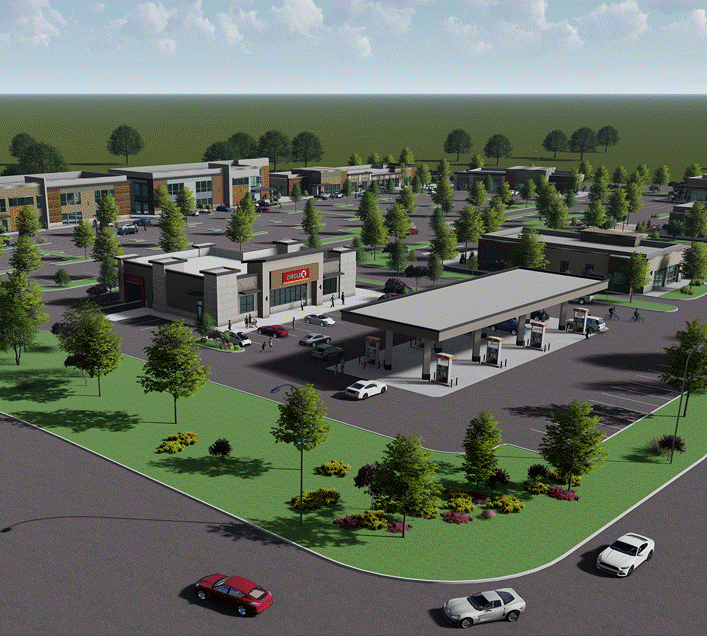
Our Roseville Junction project is a prime example. This 10-acre development brings together a healthy mix of hospitality, dining, and entertainment in a city that has seen tremendous population and employment growth in the last decade. It wasn’t a gamble—it was a strategic response to what’s already happening on the ground. Roseville is becoming a major draw for families and professionals who want a high quality of life with access to strong schools, jobs, and retail. Our project adds to that fabric and gives the community something new to gather around.

Folsom Ranch tells a similar story. With the project taking shape and new infrastructure connecting it to the larger Sacramento region, the demand for retail, medical services, and daily conveniences is exploding. Our newest center there is designed to meet that need, anchored by essential services that make life easier for the growing number of families moving in. It’s not just about building anything—it’s about building the right things in the right places at the right time.

What makes these projects stand out is that they weren’t developed in a vacuum. We spent time understanding the local dynamics, working closely with city leaders and local business partners, and designing for long-term sustainability—not just quick wins. That’s how we’ve always approached real estate at LRE: find the path of growth, work with the community, and create something that adds value for decades to come.

Looking at the broader picture, California’s real estate market is undergoing a pivotal shift. New state-level policy changes are helping remove some of the old roadblocks to development, and cities are more open than ever to public-private partnerships that make smart growth possible. It’s still a challenging environment, but it’s one full of possibility.

For those of us who have been building in this state for years, the message is clear: California is growing. And if you know how to grow with it, the future looks bright.

CategoriesNews & Blog

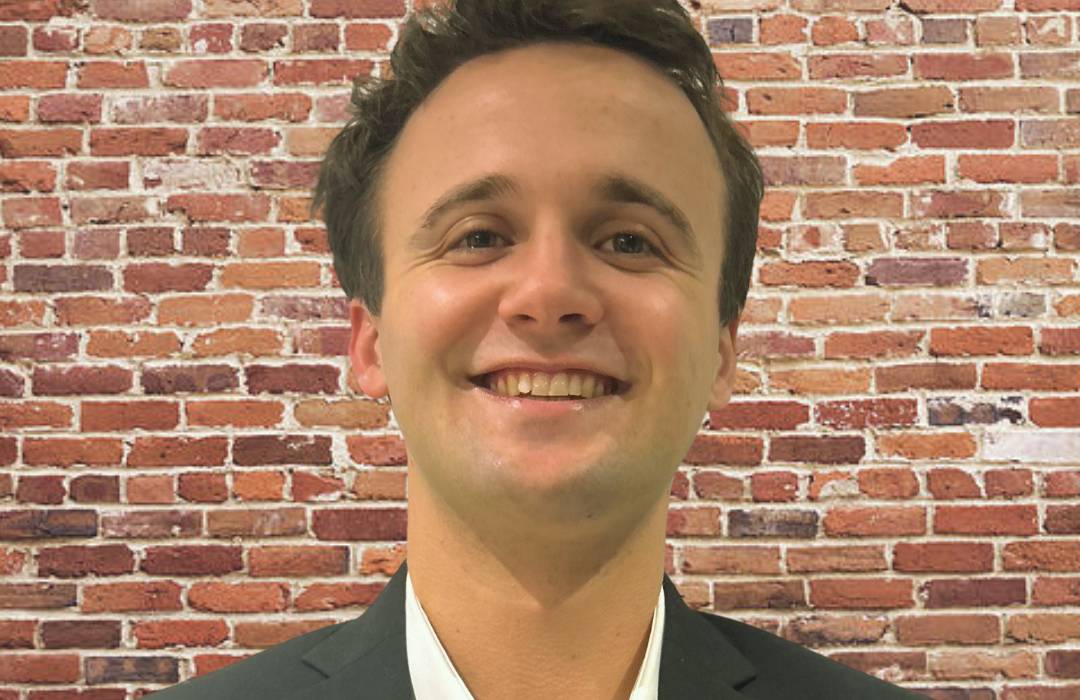
Employee Highlight: Meet Jacob Sena, Development Acquisition Associate at LRE & Companies

At LRE & Companies, we are experiencing a period of exciting growth — expanding our footprint, diversifying our project pipeline, and strengthening our team with fresh talent and expertise. As we continue to scale across new and existing markets, we know that our success is driven not only by visionary leadership and strategic partnerships but also by the exceptional individuals who bring passion, creativity, and dedication to everything we do.

This month, we’re proud to introduce one of the newest members of our growing team: Jacob Sena, Development Acquisition Associate.

Jacob attended the University of Oregon, where he majored in Business Administration. During college, he completed internships in marketing and sales, initially considering those fields for his career. However, after graduating, Jacob realized they weren’t the right fit. Through conversations with professionals in different industries, he decided to pursue real estate, beginning his career in the leasing office for an affordable housing development and property management company. While that experience was valuable, Jacob always knew he wanted to focus on commercial real estate — so when the opportunity at LRE & Companies arose, he was determined to take it.

Currently, Jacob serves as a Development Acquisition Associate, supporting various tasks throughout the development timeline. What excites him most is contributing to the growth of LRE’s project pipeline and helping expand the company’s presence in both new and existing markets.

Jacob’s previous work in affordable housing shaped his understanding of how a thriving environment can positively impact individuals. He recognizes the importance of providing quality housing near essential services and destinations — a perspective that now guides him in making informed decisions about land acquisition and tenant mix for each project.

During the hiring process, Jacob was especially drawn to the chance to learn from experienced professionals like Akki Patel and Victor Chiang, both of whom bring valuable knowledge and insight. Since joining the team, Jacob has already learned a lot from working with them and is eager to continue growing under their guidance.

One thing Jacob has noticed about LRE’s company culture is how willing everyone is to offer help and support. He describes it as refreshing to be in an environment where asking questions is encouraged, and where colleagues generously share advice and insights they wish they’d had when starting out — support that Jacob has already found incredibly valuable.

Outside of work, Jacob enjoys golfing with his brother and dad, trying to surf when the weather permits, and spending time with family, friends, and his girlfriend. He’s also always up for fun weekend trips to interesting places. Something his colleagues might be surprised to learn? Jacob was homeschooled for a year in middle school while traveling the world with his family, visiting over 30 countries — and he has a twin brother, though they don’t look anything alike.

Jacob’s favorite quote is from Albert Einstein: “The more I learn, the more I realize how much I don’t know.” For Jacob, this quote is about humility and openness — a mindset that reminds him that expertise isn’t about having every answer but about the willingness to keep asking questions.

If he could develop or invest in any project, Jacob would choose to develop a residential community in a popular holiday destination, such as Mexico or Hawaii. This type of project would let him express his creativity, explore new concepts, collaborate with diverse people, and gain fresh perspectives — all while enhancing his skills and contributing meaningfully to his personal and professional journey.

To Jacob, community means a group of people who offer connection, support, and a shared sense of purpose — a space where he feels seen, understood, and valued. He hopes his work at LRE will help create communities where people can give and receive help, encouragement, and inspiration, making challenges feel lighter and successes more meaningful.

We are proud to have Jacob as part of the LRE & Companies team and look forward to the many ways he will help shape the future of our developments and communities.

CategoriesNews & Blog

Mastering Franchise Real Estate: Key Strategies for Successful Expansion

Expanding a franchise through commercial real estate is both a strategic and financial undertaking that requires careful planning, deep market analysis, and adaptability to economic and regulatory conditions. Success hinges on selecting optimal locations, understanding local market dynamics, and structuring deals that ensure long-term profitability and sustained growth.

Strategic site selection: The foundation of success

Site selection is one of the most critical decisions in franchise development. Savvy developers rely on demographic insights, economic data, and an understanding of the competitive landscape to make informed choices. Key considerations include evaluating foot and vehicle traffic, analyzing income levels, and assessing proximity to complementary businesses. Areas showing strong job growth and rising populations typically offer greater long-term potential.

In addition to market demand, navigating zoning regulations and permitting processes is essential to avoid costly delays. Today, many consumers are gravitating toward suburban retail centers that offer convenience and accessibility. Developers who respond to these shifts with well-placed, well-designed locations are positioned for long-term success.

Navigating multi-state expansion challenges

Scaling a franchise across multiple states introduces complexity-logistically, financially, and legally. Each state comes with its own tax codes, permitting requirements, and development standards. To address these challenges, developers must establish strong relationships with local officials early in the process. These partnerships can expedite zoning approvals and, in some cases, unlock financial incentives like tax abatements or grants.

Construction costs and timelines can vary widely by region. Partnering with regional contractors and suppliers helps manage labor and material expenses while ensuring local expertise. Additionally, consumer preferences often differ by geography. A suburban market in Texas may demand drive-thru service, while a walkable retail center may perform better in parts of California. Recognizing these nuances, and aligning design accordingly, is essential for successful expansion.

Financial considerations: Investment and incentives

Well-structured real estate deals are the foundation of sustainable franchise growth. One of the first financial decisions is whether to buy or lease the property. Ownership provides long-term control and equity, while leasing offers flexibility, especially in markets that are still evolving.

Beyond acquisition, developers must factor in total development costs, including construction, permitting, and operating expenses. Public-private partnerships and local incentives, such as tax credits or infrastructure grants, can significantly improve financial feasibility. It’s also important to forecast revenue and calculate break-even timelines to ensure a project aligns with broader business goals. Balancing initial investment with long-term profitability is key to success.

Case study: Expanding into emerging markets

A recent franchise project in a fast-growing suburban corridor demonstrates how strategic planning leads to successful outcomes. Developers identified an underutilized retail parcel in an area with increasing population density and consumer spending. After a detailed feasibility study, they acquired a high-traffic site with strong visibility and accessibility.

Early collaboration with city officials helped secure permitting approvals and unlock financial incentives. The team developed a multi-tenant retail hub that brought several franchise brands together, driving greater foot traffic and creating a community-oriented destination. By adapting the site plan to meet local zoning requirements and integrating economic trends into their strategy, the developers ensured a smooth and profitable launch.

Key trends influencing franchise real estate

Several trends are currently shaping the franchise real estate landscape. The continued rise of suburban retail hubs is driven by shifts in where people live, work, and shop. Simultaneously, digital integration is influencing store formats, with many franchises incorporating online ordering, curbside pickup, and streamlined layouts.

Sustainability is also top-of-mind. Developers are increasingly investing in energy-efficient materials and systems to reduce operating costs and environmental impact. Meanwhile, inflation and rising interest rates are prompting more conservative investment strategies and tighter deal scrutiny, making data-driven decision-making more important than ever.

Best practices for franchise development

To thrive in today’s dynamic market, commercial real estate professionals should prioritize thorough market research and early stakeholder engagement. Collaborating with city officials and community organizations can speed up approvals and build goodwill. Investing in high-quality locations may require a larger upfront commitment, but it often results in stronger long-term returns.

Flexibility is also essential. A balanced mix of leased and owned properties provides agility across different markets and economic conditions. Developers who remain adaptive and informed are best positioned to navigate change and sustain growth.

Franchise real estate development demands a thoughtful blend of research, financial planning, and regulatory navigation. By focusing on site selection, cost management, and evolving trends, developers can build successful, future-ready franchise locations that thrive in today’s competitive market.

CategoriesNews & Blog

Retail’s Comeback Is Real — And Cities Should Help Us Build on It

After years of speculation about the “death of retail,” something remarkable is happening in 2025: brick-and-mortar retail is not just surviving — it’s thriving. Across the country, retail vacancy rates have dropped to their lowest levels in decades, defying predictions that online shopping would render physical stores obsolete.

According to the National Association of Realtors, as of March 2025, the retail sector continues to post the lowest vacancy rate among commercial property types, with general retail leading the way at a 2.6% vacancy rate. This resilience is a testament to the enduring value of physical retail spaces in our communities.

But if we want this momentum to continue — if we truly want to revitalize our downtowns and suburban corridors — cities need to take an active role in encouraging it. One powerful way to do that is by offering targeted subsidies to businesses and developers willing to invest in vacant storefronts and neglected spaces.

When storefronts sit empty, neighborhoods suffer. Blight takes root. Economic activity slows. Property values decline. But when businesses return — whether it’s a local café, a boutique, or a national brand — they create jobs, attract foot traffic, and restore a sense of vibrancy and safety. Retailers today aren’t just selling products; they are offering experiences, fostering community interaction, and anchoring broader economic ecosystems.

As developers, we are ready to meet this moment. But revitalizing a struggling corridor often means taking substantial financial risks: outdated buildings, complex permitting, expensive tenant improvements, and the uncertainty of drawing enough traffic to sustain a business. Public-private partnerships can change that calculus. By offering grants, tax incentives, or low-interest financing to cover renovation costs or initial lease assistance, cities can transform empty spaces from a liability into an engine of opportunity.

We’ve seen glimpses of this model work. In communities where local governments proactively supported revitalization efforts — through façade improvement grants, rent subsidies for new tenants, or expedited permit processes — retail corridors rebounded dramatically. It’s not charity; it’s smart economic policy. A modest upfront investment generates recurring tax revenue, reduces crime, and enhances the overall quality of life.

At LRE & Companies, we believe revitalization is about more than just leasing space; it’s about building ecosystems that uplift entire communities. We work hand-in-hand with city governments, small business owners, and community organizations to ensure that the spaces we create aren’t just beautiful — they’re purposeful.

The resurgence of brick-and-mortar retail is a golden opportunity — but it’s not guaranteed to last if we don’t foster it deliberately. As developers, we are ready to lead. We invite cities to step alongside us, to invest in their own futures, and to recognize that when businesses succeed, communities thrive.

The store lights are turning back on. Let’s work together to keep them shining.

CategoriesNews & Blog

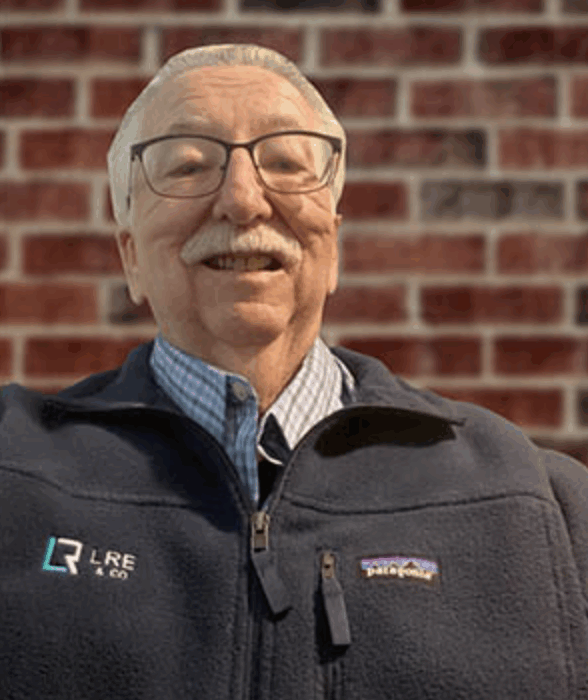
Legacy Spotlight Interview: Honoring Alan C. Hibbard’s Continuous Impact on LRE & Companies

Celebrating a Longstanding Advisor and Friend of LRE & Companies

At LRE & Companies, we pride ourselves on the strength of our partnerships—and few exemplify this better than longtime advisor and friend, Alan C. Hibbard. With a professional journey that spans decades, Alan has played an instrumental role in shaping LRE’s growth, supporting the company through transformative milestones and memorable challenges alike.

Alan has been a foundational part of the LRE team. A former franchise restaurant owner and seasoned commercial real estate specialist, Alan began his career in development in the late 1980s. He officially transitioned into franchise development in 1996, where his knack for leasing and deep understanding of the landlord-tenant dynamic positioned him as a standout leader in the space. Over the years, he successfully developed more than 160 restaurant locations across California and held leadership roles that included overseeing territories and serving as a general manager.

It was during these years that Alan first crossed paths with LRE & Companies Founder and CEO Akki Patel, who was also active in restaurant development at the time. “We got to know each other through regional meetings,” Alan recalls. “Eventually, when Akki acquired a key development territory in 2015, he brought me in to consult—and we’ve been working together ever since.”

From airport bids to complex lease negotiations, Alan has been Akki’s go-to advisor for all things development and strategy. One of his most gratifying moments? Winning the Reno Airport RFP, a hard-earned project that Alan remembers as a career highlight. “Those presentations take everything you’ve got—and when you win one, you really feel it.”

He’s also helped guide the company through tough times, including the closure of locations during the pandemic and navigating challenging landlord relationships. “Real estate is all about problem-solving,” Alan says. “What makes LRE successful is Akki’s vision and the pace at which he moves. It’s like drinking from a fire hose—you have to keep up.”

Now 79, Alan still actively consults for LRE, offering wisdom drawn from a lifetime of entrepreneurial grit. When asked what’s kept him motivated, he answers simply: “Every challenge is unique. And solving problems quickly, and with care, is what keeps me going.”

Alan’s passion for detail, big-picture thinking, and mentorship has left a lasting imprint on LRE’s evolution. From helping divest dozens of restaurant locations across Northern California to advising on real estate, tax, and leasing matters as LRE grew its hospitality and retail footprint, Alan’s fingerprints can be found throughout the company’s legacy.

In his words, “I could’ve wrapped my career when Akki acquired that territory. But I chose to stick around—and I’m so glad I did. Working with LRE over the past 10 years has been a spectacular ride.”

A musician at heart, Alan now spends more time behind a piano than a lease negotiation table. Still, his contributions to LRE’s past—and present—are felt every day. “It’s been a pleasure watching Akki build something of his own,” he says. “And if I can keep one foot in the door a little longer, I’m happy to help wherever I can.”

From all of us at LRE & Companies: thank you, Alan, for your leadership, loyalty, and legacy.

CategoriesNews & Blog

Leading the Right People: How to Keep Top Talent Engaged and Thriving: Part 2

Hiring the right people is only the first step in building a successful business. The real challenge—and opportunity—comes in what happens after they join the team. The best employees don’t just want a job; they want a workplace where they feel valued, challenged, and inspired to grow.

At LRE and Companies, I’ve seen firsthand that when you invest in your people, they invest back in the company. But that requires intentional leadership. It’s not just about managing—it’s about creating an environment where people want to stay, contribute, and thrive.

1. Set Clear Expectations and Follow Through

One of the fastest ways to lose a great employee is a lack of clarity. People want to know what’s expected of them and how their success will be measured. If expectations aren’t clear from the beginning, it leads to frustration and disengagement.

I make it a priority to outline specific goals, responsibilities, and performance metrics upfront. But setting expectations isn’t enough—following through is just as important. That means providing feedback, acknowledging wins, and addressing issues before they become major problems.

2. Create a Culture of Accountability and Trust

The best teams operate on a foundation of trust. Employees need to feel confident that their contributions matter and that they can rely on their leaders to be fair and transparent.

For me, accountability starts at the top. If I expect my team to take ownership of their work, I have to model that behavior myself. That means admitting when I make mistakes, being open to feedback, and ensuring that everyone—regardless of their role—feels heard and respected.

A strong culture of accountability also means empowering employees. Micromanaging stifles creativity and motivation, while trust allows people to take initiative and solve problems on their own.

3. Encourage Growth and Development

Top talent doesn’t just want to do the same thing day in and day out—they want opportunities to grow. If employees don’t see a future for themselves at a company, they’ll start looking elsewhere.

At LRE and Companies, I focus on professional development by:

  • Providing mentorship and opportunities to learn from experienced team members.
  • Encouraging employees to take on new challenges and expand their skill sets.
  • Supporting ongoing education, training, and certifications when possible.

Growth isn’t just about climbing the corporate ladder—it’s about continuously improving and finding new ways to contribute. When employees feel like they’re progressing, they stay engaged.

4. Recognize and Reward Contributions

Everyone wants to feel appreciated. While competitive salaries and benefits matter, genuine recognition can be just as powerful.

I make it a point to acknowledge hard work—whether that’s a simple thank-you, a public shout-out, or performance-based incentives. Recognition doesn’t have to be complicated, but it does have to be consistent. People who feel valued are more likely to go above and beyond for the company.

5. Stay Adaptable as a Leader

Just as businesses evolve, so do the needs of employees. A leadership style that worked five years ago might not be as effective today. That’s why I constantly evaluate my approach and remain open to change.

Leadership isn’t about having all the answers—it’s about staying engaged, listening, and being willing to grow alongside your team.

The Bottom Line: Leadership is a Long-Term Investment

Hiring the right people is only half the equation. Keeping them engaged, motivated, and committed to your vision is where real leadership comes into play. The strongest companies aren’t just built on talent—they’re built on leaders who foster trust, accountability, and continuous growth.

At LRE and Companies, I don’t just want great employees—I want a great team. And that means making sure every person who walks through our doors has the support, structure, and opportunity to do their best work.

Because when you invest in your people, they invest back in your company. And that’s the real key to long-term success.

CategoriesNews & Blog

The Hidden Power of Hiring: How the Right People Can Make or Break Your Business: Part 1

Hiring the right people is one of the most critical decisions a business owner can make. A strong team can propel a company forward, while the wrong fit can slow progress, create friction, and even set a business back. Over the years, I’ve learned that hiring isn’t just about finding the best candidates—it’s also about understanding myself as a leader.

Know Yourself Before You Hire

Before bringing someone new into the company, I take a hard look at my leadership style, my workflow, and my expectations. It’s easy to assume that an employee should just “figure it out” once they step into their role, but the reality is that clarity from the start is key to success. Every leader has their own habits, preferences, and ways of operating. If I’m not aware of those things, I can’t properly communicate them to my team.

For example, I know that I thrive in a fast-paced, and sometimes chaotic environment, but it is always results-driven. I value initiative and complex problem-solving, and I have high expectations of my team to take initiative and be proactive. If I don’t share those expectations upfront, I could end up hiring someone who is incredibly skilled but prefers a different work style—creating frustration on both sides.

Hiring for Culture and Capability

Skills and experience matter, but they aren’t everything. The right hire should not only be competent in their role but also align with the culture and energy of the company. A talented employee who doesn’t fit the company’s rhythm can struggle, even if they have an impressive résumé.

That’s why I prioritize open and honest conversations during the hiring process. I want to understand how candidates work best, what motivates them, and how they handle challenges. At the same time, I make sure they understand how we operate at LRE and Companies—our expectations, our pace, and our values. We value team members who demonstrate initiative, accountability, and sound judgment—we hire professionals who can work independently and don’t require constant oversight.

Setting New Hires Up for Success

Hiring the right people isn’t just about choosing them—it’s about setting them up to succeed once they’re in the door. That means having clear onboarding processes, providing the right resources, and ensuring they feel supported from day one.

But support goes both ways. As a leader, I also have to be open to feedback. No one is perfect, and sometimes, what worked for the business in the past needs to evolve. A great hire can bring fresh perspectives and ideas that help the company grow in ways I hadn’t considered.

The Bottom Line

We do want to add something like we don’t like to babysit. We hire grown ups and we want them to be responsible. 

Building a successful business starts with building the right team. And that process starts with knowing yourself as a leader. When you understand your own workflow, communication style, and expectations, you can hire with intention—bringing in people who will not only thrive in their roles but also help the company move forward.

But hiring is just the beginning. Once you have the right people in place, the real challenge is keeping them engaged, motivated, and aligned with your company’s vision. In the next blog, I’ll share how to create an environment where top talent thrives, ensuring that the investment you make in hiring pays off for years to come.

SOCIAL POST:

Hiring the right people isn’t just about finding top talent—it starts with understanding yourself as a leader. Before bringing someone new onto your team, take a step back and evaluate your workflow, expectations, and leadership style. Clarity from the start ensures you’re hiring people who align with your vision and can thrive in your company’s culture.

At LRE and Companies, we don’t just hire to fill positions—we hire to build something bigger. In my latest blog, I discuss why self-awareness is the key to making the right hiring decisions and how it can make or break your business.

Read Part 1 now: https://akkipatel.net/the-hidden-power-of-hiring-how-the-right-people-can-make-or-break-your-business-part-1/

#LREandCompanies #CommercialRealEstate #Leadership #HiringTheRightPeople #CompanyCulture #BusinessGrowth #Entrepreneurship

CategoriesNews & Blog

Going Back to the Basics: How Starbucks is Restoring the Coffeehouse Experience – Akki Patel

Some people start their day with a cup of coffee. Others, like me, keep the momentum going with a second—or sometimes even a third—stop at Starbucks before the day is done. Call it dedication, call it routine, but there’s no denying that my relationship with Starbucks has been a long one. As someone who has been a loyal customer since the early days, I’ve seen the brand evolve over time. From its humble beginnings as a place to grab a well-crafted cup of coffee to becoming a fast-paced, efficiency-driven chain, Starbucks has seen many transformations. But on a recent visit, I noticed something different—something refreshing. The Starbucks experience is changing once again, and this time, it’s returning to its roots.

Under its new leadership, Starbucks is embracing the essence of hospitality in a way that feels authentic and intentional. With Brian Niccol stepping in as CEO in September 2024, it’s clear that a renewed focus on customer experience is taking shape. The menu boards have a fresh, refined look. Customers who choose to enjoy their coffee in-store are now served in real glass mugs. The atmosphere feels warmer, more inviting—less like a transactional stop and more like the true coffeehouse experience that originally defined Starbucks.

As a real estate developer and business owner, I know firsthand that customer experience is everything. The success of any brand, especially one built on hospitality, hinges on its ability to make people feel welcomed, valued, and part of something greater. A coffee shop isn’t just a place to get caffeine—it can serve as a “third place,” a concept coined by American sociologist Ray Oldenburg. He described third places as those spaces outside of home (the first place) and work (the second place) where people go to converse, connect, and build a sense of community.

This shift back to the fundamentals of good hospitality, customer service, and community is a smart move. In an era where automation and speed often take priority in our lives, Starbucks is recognizing the importance of slowing down, offering a moment of pause, and creating an experience worth savoring.

I’ve always appreciated a well-made coffee, and my go-to Starbucks order—a cortado with a splash of oat milk and brown sugar—is something I enjoy not just for the taste, but for the ritual of it. That ritual feels very different now, in the best way. Taking a moment to sit down, I sipped from a real glass, and enjoyed the ambiance that wrapped me in warmth—the rich aroma of espresso, the quiet hum of conversations, the gentle clink of mugs—all blending into a rhythm that settled me deep in my core, inviting me to savor the moment. This is what makes a true coffeehouse so special.

LRE & Companies has proudly partnered with Starbucks for years, and I’ve always admired their ability to evolve while staying true to their core values. Seeing this latest transformation reminds me why our partnership has been such a strong and natural fit—we both understand that success isn’t just about expansion, it’s about creating spaces that people want to return to, time and time again.

It’s a lesson in leadership and brand stewardship. When a company grows, it’s easy to lose sight of the very things that made it special in the first place. The right leader understands that success isn’t just about revenue; it’s about staying true to the principles that the brand was built upon. For Starbucks, that means great coffee, a welcoming environment, and a continued commitment to building community.

Seeing this evolution firsthand reminded me why I fell in love with Starbucks all those years ago. It’s no longer just a quick stop for a cup of coffee—it’s once again a place where people gather, unwind, and connect. In today’s fast-moving world, that kind of space is more valuable than ever.

And for any business leader, it’s a powerful reminder: Sometimes, the best way forward is to go back to the basics.

CategoriesNews & Blog

Mastering the Art of Franchise Real Estate: Akki Patel’s Approach to West Coast Expansion

When it comes to commercial real estate development, few leaders have successfully blended strategic site selection with brand partnerships as effectively as Akki Patel. As the driving force behind LRE & Companies, Patel has spearheaded the expansion of franchise real estate across California, Nevada, and Oregon, positioning the firm as a leader in regional development. His approach combines market intelligence, deep industry relationships, and a keen understanding of what makes a location thrive.

Strategic Site Selection: The Key to Success

Choosing the right location is the cornerstone of franchise success, and Patel’s strategy is both data-driven and intuitive. He evaluates key factors such as traffic patterns, demographic trends, proximity to complementary businesses, and economic growth projections before committing to a site. This meticulous approach ensures that each development aligns with both the brand’s needs and the community’s potential for long-term growth.

Beyond analytics, Patel believes in personally scouting locations, engaging with local city officials, and understanding the unique dynamics of each community. This hands-on involvement allows LRE & Companies to secure high-visibility locations with strong revenue potential.

Building Strong Franchise Partnerships

LRE & Companies has established a track record of working with national and regional franchise brands, particularly in the food and beverage sector. Patel’s approach to franchise real estate is built on collaboration—he works closely with brand operators to understand their expansion goals, operational needs, and customer demographics. This ensures that every location is not only viable but positioned for long-term success.

One of Patel’s key strengths is his ability to negotiate favorable terms that benefit both franchisees and property owners. By securing sites in areas that have high-growth potential with built-in demand, he creates win-win scenarios for brands looking to establish a presence in competitive markets.

Navigating Challenges in Regional Expansion

Expanding across multiple states comes with its own set of challenges, from zoning regulations to navigating different permitting processes. Patel and his team at LRE & Companies have developed a deep understanding of regional real estate requirements, allowing them to streamline approvals and accelerate project timelines.

Additionally, community integration is a crucial aspect of LRE’s expansion strategy. Patel ensures that developments not only meet business objectives but also enhance the local area by creating jobs, attracting complementary businesses, and contributing to economic growth.

The Future of Franchise Real Estate on the West Coast

Looking ahead, Patel sees continued opportunities for franchise expansion across California, Nevada, and Oregon, particularly in suburban and emerging metropolitan markets. With shifting consumer behaviors and increasing demand for convenience-driven retail and dining experiences, Patel is positioning LRE & Companies to lead the way in strategic, sustainable franchise real estate development.

His vision extends beyond just securing prime locations—he aims to foster long-term partnerships with brands that align with the evolving needs of communities. As LRE & Companies continues its expansion, Patel remains committed to smart, impactful development that benefits both businesses and the regions they serve.

CategoriesCommunity

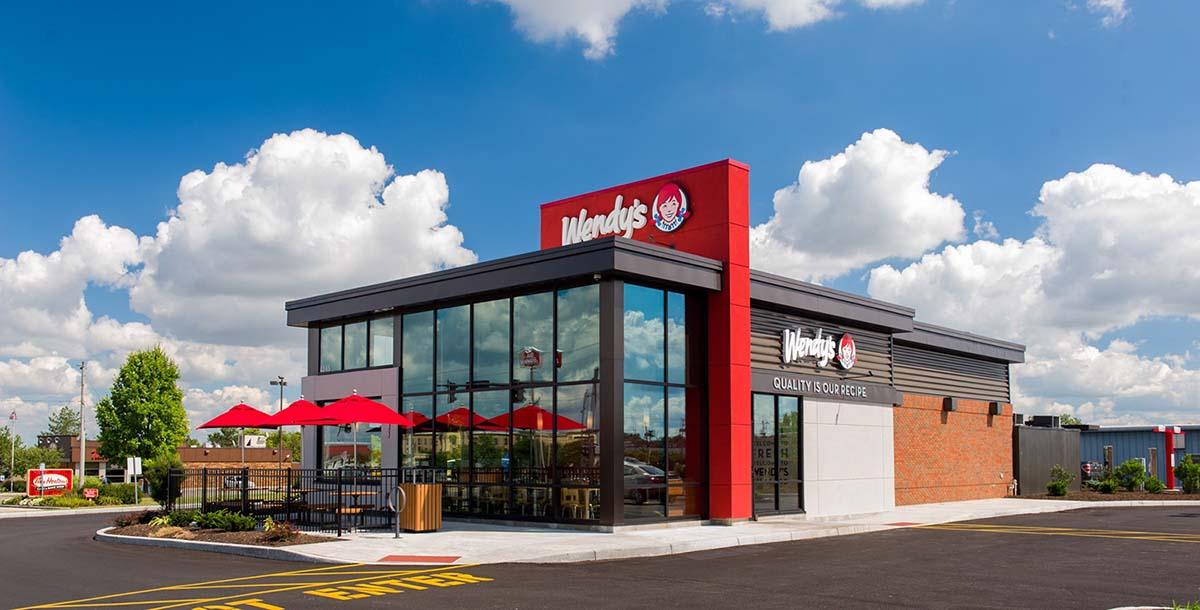
Wendy’s Signs On as Newest Tenants in New Mixed-Use Destination ‘University Square’ in Rocklin

ROCKLIN, Calif. — LRE & Companies, a real estate development, asset management, and hotel management company, has announced that Wendy’s will be part of its plans for “University Square,” a 10-acre mixed-use development at the intersection of Sunset Boulevard and University Avenue. This marks LRE’s first project in Rocklin and second in Placer County, offering new opportunities for retailers in a growing community.

“We are thrilled to welcome Wendy’s to University Square,” said Akki Patel, CEO of LRE & Companies. “This addition reflects our commitment to bringing top-tier dining options to Rocklin while creating jobs and supporting economic growth in the area.”

Wendy’s will be part of the retail component of the development, which includes more than 20,000 square feet of retail space and 5,000 square feet designated for additional quick-service restaurants with drive-thru options.

Located near Estia Rocklin, a build-to-rent townhome community with 181 units, University Square is also across the street from William Jessup University and in proximity to the 8,497-acre Sunset Area development, which includes plans for a future California State University, Sacramento, and Sierra College campus.

LRE & Companies is currently reviewing letters of intent from additional tenants for the remaining retail spaces. The project is expected to be completed by the end of 2025, providing a vibrant new retail and hospitality hub for the community.

About LRE & Co.
LRE & Co. is a family-owned real estate development and construction company based in San Rafael, California. Since its founding in 1999, the company has established itself as a leader in commercial real estate, with a diverse portfolio that includes partnerships with national hotel brands, franchise restaurants, and innovative developments across Northern California and northwest Nevada. With a focus on agility, community impact, and a deep connection to its heritage, LRE & Co. remains committed to creating value for the communities it serves.
For more information, please visit https://lrecompanies.com or call (415) 491-1500.

Get in touch

phone

(415) 491 – 1500

4302 Redwood Hwy Suite 200

San Rafael, CA 94903

email

info@lrecompanies.com

Get in touch

phone

(415) 491 – 1500

4302 Redwood Hwy Suite 200

San Rafael, CA 94903

email

info@lrecompanies.com

about us

The LRE & Co is a family organization that has been in real estate development, construction and the food and beverage businesses since 1999. It has been present in major markets throughout northern California and northwest Nevada.

Newsletter

Get latest news & update

© 1999 – lrecompanies.com. All rights reserved.