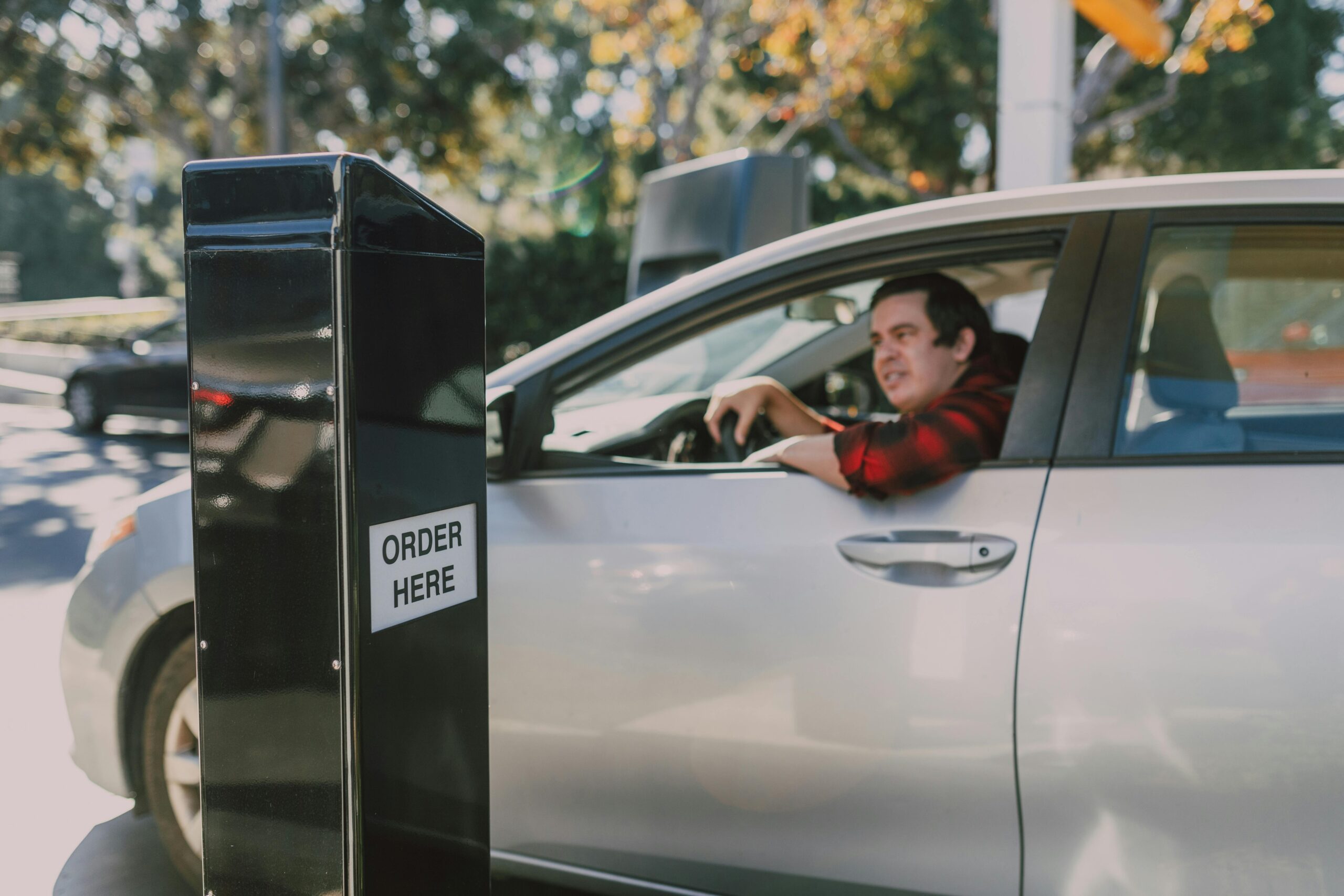
Something remarkable is happening in California’s smaller communities. Residents are lining up, sometimes camping overnight, for premium fast-casual brands. Meanwhile, traditional quick-service restaurants (QSR’s) are struggling to generate the same excitement. The fast-casual revolution that transformed urban dining is now reshaping secondary markets, with significant implications for developers.
Beyond Burgers and Fries
The term ‘fast-casual’ doesn’t fully capture what’s driving success in these markets. These brands represent something deeper: quality without pretension, speed without sacrifice, and an experience that feels slightly elevated without being intimidating. In communities where dining options have historically been limited to traditional fast food or full-service restaurants, premium QSRs fill a gap that residents didn’t fully recognize.
The Quality Equation
Premium fast-casual brands succeed in secondary markets by solving a specific problem: residents want higher quality without sacrificing the convenience and value that make QSRs attractive. Traditional fast food serves a purpose, but it doesn’t create excitement. Full-service restaurants require time commitments that busy families and workers can’t always accommodate.
Fast-casual brands like Habit Burger offer char-grilled burgers made to order, fresh ingredients, and customizable options at price points only slightly higher than traditional competitors. The value proposition is clear: meaningfully better food for a modest premium. In markets where dining choices are limited, that difference matters enormously.
This quality focus extends beyond food to the entire experience. Cleaner dining spaces, friendlier service models, and modern aesthetics create environments where residents actually want to spend time. In smaller communities where third spaces are limited, these restaurants become gathering spots for families, remote workers, and social groups.
The Demographics of Desire
Secondary markets are changing demographically in ways that favor premium QSRs. Remote work has enabled professionals to relocate from expensive urban centers to more affordable communities. These transplants bring urban dining expectations and purchasing power to markets that previously couldn’t support elevated concepts.
At the same time, younger generations in these communities have grown up with exposure to premium brands through travel and social media. A college student from a smaller city has likely eaten at In-N-Out or Chipotle while visiting larger cities and returns home wondering why similar options don’t exist locally. When premium brands finally arrive, built-up demand creates immediate success.
Importantly, secondary markets often have older populations with disposable income and an appetite for quality dining that doesn’t require formal occasions. Fast-casual concepts appeal across generational lines in ways traditional QSRs increasingly don’t.
Economics That Work
From a development perspective, premium QSRs deliver superior economics in secondary markets. Higher average checks translate into stronger sales per square foot, supporting premium rents that traditional QSR operators can’t justify. These brands also demonstrate stronger unit-level economics; their pricing power and operational efficiency generate margins that support sustainable growth.
Labor markets in smaller communities pose challenges for any restaurant operator, but premium brands have advantages. Better working environments, slightly higher wages, and an association with quality brands help attract and retain employees. In towns where everyone knows everyone, being known as a good employer is critical to staffing stability.
The development process often favors premium brands. Sophisticated operators with proven systems and strong unit economics navigate entitlements, construction, and opening more smoothly than smaller operators. Their experience across diverse markets provides playbooks for succeeding in communities where local knowledge and relationship-building are essential.
Lessons from the Field
Our experience across Northern California’s secondary markets reveals consistent patterns. First, don’t underestimate pent-up demand. Communities that seem too small to support premium concepts often harbor years of pent-up demand among residents seeking better options. When quality brands arrive, initial performance typically exceeds optimistic projections.
Second, timing matters less than quality. Some developers hesitate to bring premium brands to secondary markets during periods of economic uncertainty. Our experience suggests that residents will pay for quality even in tighter times; in fact, they may appreciate accessible luxury more when full-service dining feels like an extravagance.
Third, community integration is crucial. Premium QSRs that succeed in secondary markets don’t just serve food, they become community fixtures. Supporting local causes, hiring locally, and understanding regional preferences build loyalty that transcends typical brand relationships.
Looking Ahead
The fast-casual evolution in secondary markets is more than a dining trend. It reflects fundamental shifts in how smaller communities view themselves and what they expect from commercial development. Smaller towns no longer accept that quality retail experiences belong exclusively to urban centers.
For developers, this creates both opportunity and responsibility. The opportunity lies in bringing proven premium brands to underserved markets where demand exceeds supply. The responsibility is to recognize that these aren’t just transactions, their investments in community evolution that residents notice, appreciate, and remember. When premium QSRs succeed in secondary markets, they don’t just generate revenue; they validate community growth and signal that better outcomes are possible.
The overnight campouts aren’t really about burgers or wings. They’re about communities celebrating their arrival in an era where quality, convenience, and local pride can coexist, and developers who understand that will find ample opportunity in California’s secondary markets for years to come. https://lrecompanies.com/news-blog/
While most developers pursue the same crowded markets, savvy franchisees are finding something interesting: smaller coastal markets in Northern California provide outstanding results for national brands, with much less competition.
The Coastal Commission Advantage
Here’s what many people overlook: California’s Coastal Commission doesn’t just pose obstacles; it creates a protective moat around your investment. The high barriers to entry that hinder development are also what safeguard you from oversaturation.
Projects that take months in other markets can take years here. Most developers move on, but we don’t, and that’s why our partners succeed.
Years of Relationships, Local Expertise
LRE & Co. has been successfully developing in Northern California for many years. We understand the entitlement process, we know the communities, and we’ve built the relationships that matter. Our track record in these markets speaks for itself:
Recent Wingstop opening in Eureka drew overnight campouts
Multiple successful national brand launches
Proven ability to navigate complex coastal regulations
Current Developments: Strategic Location, Captive Audience
We’re making exceptional progress on our current developments, featuring a top-tier national burger and chicken concept. The site provides everything a franchisee needs.
Prime Traffic Drivers:
Directly across from Walmart (regional retail anchor)
High school student population
Hardware store creating consistent daytime traffic
Hospital workers and visitors
South Oregon market access (border proximity)
All within the same Metropolitan Statistical Area
What This Means for Your Brand:
Limited competition from other national concepts
Established traffic patterns and customer base
Protected market position due to development barriers
Growing regional demand with few alternatives
One Drive-Thru Location Remains
We currently have one drive-thru location available for this project. For the right national brand partner who understands the value of protected markets, this offers a unique chance to establish a presence in Northern California’s coastal region.
Why This Matters Now
Coastal California markets are becoming more challenging to develop. The barriers aren’t decreasing; they’re rising. That makes existing entitled sites with proven operators increasingly valuable each year.
We’ve been building in California’s most challenging markets since 1999. Let us show you why coastal communities are where smart growth happens.
P.S. Want to see how we’ve successfully launched national brands in similar markets? Visit our portfolio at https://lrecompanies.com to see our track record across California, Oregon, Nevada, Idaho, Colorado, and Utah.
If you’re a national franchisee looking for markets where your brand can dominate rather than compete, let’s talk.
Behind every successful leader is someone who keeps the wheels turning, the details organized, and communication flowing. At LRE & Co., that person is Audrey Ipong, Executive Assistant to CEO Akki Patel. Since joining the company nine months ago, Audrey has become an essential part of our team’s rhythm, ensuring that nothing slips through the cracks and that projects stay on track.
From Teacher to Quality Assurance Leader to Real Estate
Audrey’s professional journey is a testament to adaptability and continuous learning. “I am a licensed professional teacher,” she explains. “When the pandemic hit, I shifted industries and entered the BPO field.” Over four years, she worked her way from agent to Quality Assurance Supervisor, developing skills that have proven invaluable in her current role.
That background in operations and quality assurance wasn’t an obvious path to real estate development, but Audrey had prior experience in short-term rentals and property operations that aligned well with LRE & Co.’s needs. “I already had experience supporting operations and working closely with leadership,” she notes. “That exposure to hospitality and property operations aligned well with the support role Akki was looking for.”
Finding Home at LRE & Co
What drew Audrey to LRE & Co was the opportunity to join a dynamic, fast-paced environment where multiple disciplines converge. “What drew me to the company was the chance to be part of a fast-paced environment where real estate, hospitality, and construction all come together,” she says. “As someone who values learning new things, being involved in different projects has helped me better understand how decisions are made and how everything fits together.”
Her typical day is anything but typical. It might include coordinating calls, organizing documents, following up with conference attendees, managing travel, or helping keep projects on track. “A big part of my role is making sure communication stays organized so nothing gets missed,” Audrey explains. “Every day is a little different, depending on what’s happening and what needs attention.”
More Than Task Management
For Audrey, being an Executive Assistant goes far beyond managing calendars and inboxes. “I’m passionate about being a reliable support system for Akki so he can focus on high-level decisions and strategic priorities,” she says. “For me, it’s not just about completing tasks; it’s about creating space for leadership to operate efficiently.”
She brings a unique perspective to her role, shaped by her background in quality assurance. “I try to approach my role with a practical and organized mindset. Beyond completing tasks, I consider how each action affects timelines and communication with others involved,” she explains. “My background in operations and quality assurance has helped me become detail-oriented and structured in my work, while remaining flexible when plans change. I also don’t hesitate to ask for clarification when instructions are unclear.”
Rising to the Challenge
One of Audrey’s most challenging projects was organizing events in unfamiliar locations without fully understanding all the preferences and expectations. “Since I wasn’t familiar with the venues or local logistics, I relied heavily on proactive communication and asking clarifying questions early on,” she recalls. “By staying organized, confirming details, and maintaining constant coordination, I was able to deliver the event smoothly and meet expectations despite the initial uncertainty.”
Staying current with industry trends is easier for her than it might be for others in her position. “I’m fortunate to have access to the same materials and updates that Akki reviews, which helps me stay informed about the latest trends and developments in the industry,” she notes. “That constant access and involvement help me stay updated without having to seek information separately.”
The LRE & Co Difference
When asked what makes LRE & Co stand out, Audrey emphasizes the company’s hands-on, relationship-focused approach. “LRE feels very hands-on and relationship-focused. Decisions are made thoughtfully, and there’s a strong emphasis on execution, not just ideas. It’s a lean team, which means everyone is involved and accountable.”
What excites her most about the company’s future? “Seeing projects move from an idea to something real. It’s rewarding to be part of that process and to watch the company continue to expand into new markets and opportunities. There’s always something new happening, and that keeps the work meaningful.”
She sees the industry evolving toward a more experience-driven model. “I think the industry is becoming more experience-driven and more focused on long-term value,” she observes. “It’s not just about building properties anymore; it’s about creating spaces that actually serve the community and adapt to how people live and work today.”
Making an Impact Behind the Scenes
Although her role may not be client-facing, Audrey understands how her work contributes to LRE & Co’s larger mission. “My role may be behind the scenes, but by keeping communication organized and projects moving, I help support the larger goal of getting developments off the ground,” she says. “When projects move forward efficiently, that’s what ultimately leads to new businesses, jobs, and activity in the community.”
Beyond the Office
When she’s not supporting LRE & Co’s operations, Audrey leads a rich personal life filled with creative pursuits. Her main passion is cooking. “I love to cook. I’m always watching food-related content and trying to recreate dishes at home,” she shares. “I enjoy seeing my family’s reaction when I serve something new. That’s the best part for me.”
She also has hobbies that might surprise her colleagues. “I crochet and create bespoke stationery. It’s something I enjoy during my downtime, and it helps me relax and be creative.” More recently, she’s been learning to sew, always looking for new skills to develop.
Her perfect weekend? “Honestly, just spending time with family and catching up on laundry,” she says with a laugh. “Simple weekends are the best for me.”
As for beverages, her go-to order is a Spanish Latte. “And she’s definitely a night owl. So my shift actually works well for me,” she notes.
Living near both mountains and beaches in her area gives her options for getaways. “I’m lucky to live near both.”
Unexpected Sides
There’s more to Audrey than organization and event planning. “I used to be very active and played volleyball regularly,” she reveals. “I slowed down in my 30s, but I still enjoy watching the sport.”
She also has a houseful of animals. “Yes, I have four dogs, all given to me, and eleven rescued cats,” she says, clearly someone with a big heart for animals in need.
Words to Work By
The best advice Audrey has ever received? “Always do your best in whatever role you’re given, even if it’s behind the scenes. People may not always see your effort, but consistency builds trust.”
For those just starting their careers, she offers this advice: “Don’t be afraid to make mistakes. They’re part of the process and help you become a better version of yourself.”
What has she learned from working with the LRE & Co team? “That communication and follow-through really matter. Even small updates can make a big difference.”
When asked about her superpower at work, she doesn’t hesitate: “Thinking outside the box.”
A Unique Request
If Audrey could have dinner with anyone, living or dead, her answer is refreshingly practical and speaks to her commitment to growth. “I wouldn’t go far. I’d choose Akki,” she says. “I’d like to learn more about financial literacy, especially since managing money and investing weren’t commonly taught in my family growing up. I’m interested in understanding how to be more responsible with my finances, particularly given the current state of the economy.”
It’s this combination of curiosity, dedication, and thoughtfulness that makes Audrey a valued member of the LRE & Co team. While she may work behind the scenes, her impact on the company’s success is anything but invisible.
At LRE & Co, we believe our strength lies in the diverse experiences and perspectives our team members bring to each project.
The American community is evolving, and commercial real estate must evolve with it. Today’s most resilient projects embrace multi-generational appeal, creating spaces where a grandmother can meet friends for coffee, her daughter can attend a fitness class, and her grandson can pick up dinner, all within the same development.
This shift toward multi-generational planning isn’t just socially conscious development; it’s smart business. Developments that serve diverse age groups generate natural cross-traffic, extended operating hours, and recession-resistant tenant mixes. As millennials raise families, Gen Z enters the workforce, and baby boomers redefine retirement, the ability to serve multiple generations simultaneously has become a critical success factor.
Understanding the Multi-Generational Landscape
Effective multi-generational development begins with understanding the distinct needs of each life stage. Young professionals prioritize convenience, social experiences, and wellness. They seek coffee shops with strong Wi-Fi for remote work, fast-casual dining, boutique fitness studios, and services that simplify urban living.
Families with children require different amenities. They need grocery stores with ample parking, family-friendly restaurants, pediatric services, and retail options that serve multiple generations in a single trip, such as sporting goods stores, toy retailers, and family entertainment venues.
Retirees are an increasingly important demographic with substantial purchasing power and time flexibility. They value accessible healthcare, quality casual dining, specialty retail that caters to hobbies, and social gathering spaces. Importantly, many retirees reject age-restricted environments, preferring vibrant, multi-generational communities where they remain engaged with broader society.
The Tenant Mix Strategy
Creating successful multi-generational developments requires intentionally curating tenant mixes that meet overlapping needs without direct competition. The key is to identify anchor tenants that naturally appeal to multiple age groups, then layer in generation-specific offerings.
Healthcare and wellness services have multi-generational appeal. A medical office building housing family practitioners, pediatricians, specialists, and urgent care serves patients from infancy through retirement. Adjacent pharmacy services and physical therapy create a healthcare ecosystem that enables entire families to access care, generating consistent daytime traffic.
Food and beverage offerings offer perhaps the greatest opportunity for multi-generational programming. The most successful developments strategically layer options: a quality grocery anchor serving all demographics, fast-casual concepts for busy professionals and families, full-service restaurants for celebrations, and coffee shops serving as social hubs for everyone from students to retirees.
Fitness and recreation services increasingly bridge generational divides. Modern fitness concepts, boutique studios, climbing gyms, and family recreation centers draw diverse age groups for different reasons. Parents appreciate childcare availability, young professionals seek specialized classes, and retirees value low-impact options and community programming. These uses generate traffic during traditionally slow retail hours.
Design Considerations That Matter
Physical design plays an equally critical role in multi-generational success. Developments must balance accessibility for mobility-limited seniors and parents with strollers with the dynamic atmosphere that attracts younger demographics. Wide sidewalks, minimal grade changes, automatic doors, and ample seating create inclusive environments without sacrificing vibrancy.
Parking strategies become more nuanced in multi-generational contexts. While young professionals may prefer walkability, families and seniors typically require convenient surface parking. Successful developments often employ hybrid approaches: structured parking near residential and office uses, with surface lots serving medical offices and grocery anchors.
Outdoor spaces deserve particular attention. Well-designed plazas and green spaces create gathering points where generations naturally intersect. A plaza with movable seating accommodates morning coffee groups of retirees, lunchtime workers, and evening family gatherings. Playground areas adjacent to restaurant patios allow parents to dine while supervising their children.
Economic Resilience Through Diversity
The economic logic of multi-generational development extends beyond simple traffic generation. Diverse tenant mixes provide stability across economic cycles. Essential services such as healthcare and grocery stores sustain occupancy during downturns, while discretionary retail and dining capture spending during growth periods. The result is more stable cash flows and enhanced asset value.
Multi-generational developments also benefit from natural succession planning. As young professionals age into family formation, they continue patronizing familiar businesses while discovering new offerings. Families with young children eventually become empty nesters, seeking different services within the same trusted development. This lifecycle loyalty creates sustained demand and reduces tenant turnover.
The Community Integration Imperative
Perhaps most importantly, multi-generational developments foster genuine community connection in an increasingly fragmented society. When developments serve diverse populations, they become authentic gathering places where neighbors of different ages interact naturally. The grandmother who shops weekly encounters the young parent she’s watched move in, and the remote worker recognizes the retired veteran who walks his dog past each morning.
This community integration delivers tangible value. Developments perceived as community centers command premium rents, attract quality tenants, and maintain high occupancy. They become destinations rather than mere convenience stops, generating repeat visits and extended dwell times that drive retail success.
Looking Forward
As American demographics continue to diversify, multi-generational development will shift from a competitive advantage to a baseline expectation. Developers who master serving diverse populations simultaneously, through thoughtful tenant curation, inclusive design, and authentic community building, will create the enduring, valuable assets that define successful commercial real estate for decades to come.
Most people notice the finished project, such as a shiny new restaurant, a busy retail space, or a modern hotel hosting its first guests. However, they don’t see the numerous decisions, challenges, and coordination efforts behind the scenes that turn these visions into reality.
At LRE & Co, our project managers are the conductors of this complex orchestra, coordinating architects, engineers, contractors, tenants, outside consultants, and municipalities to turn vision into reality. We work with a trusted network of specialized consultants, including civil engineers, environmental specialists, landscape architects, and land-use attorneys, all of whom are vital members of the project team. To give you a glimpse of what this looks like, we shadowed one of our seasoned project managers for a typical workday managing multiple active developments across California and beyond.
The Early Start
The day begins before most construction sites come to life. Over coffee, our project manager reviews overnight emails from contractors in different time zones and checks weather forecasts for three project locations. A storm system moving through Southern Oregon could affect concrete pours scheduled for later in the week at our Medford project. That detail might seem minor, but it could cascade into schedule delays if not addressed proactively.
The morning also includes a routine review of the day’s priorities across five active projects at various stages of development. One project is in the entitlements phase, navigating the planning commission approval process. Another is mid-construction, addressing inevitable field conditions that differ from the drawings. A third is approaching completion, with punch list items and final inspections on the horizon.
The Morning Coordination Call
The first formal meeting of the day is a construction coordination call with the general contractor, civil engineer, and key subcontractors for a quick-service restaurant project currently under construction. The civil engineer is one of our outside consultants, bringing specialized expertise in site development and utilities. Today’s agenda covers the underground utility installation schedule, conflicts between the grease interceptor location and existing drainage, and coordination of the paving timeline with the drive-through lane striping.
What sounds straightforward on paper becomes a negotiation of competing priorities and constraints. The paving contractor has a narrow weather window. The utility work is two days behind schedule. The tenant has equipment delivery scheduled that requires the paving to be finished. Our project manager facilitates solutions by adjusting schedules, reallocating resources, and ensuring everyone understands how their piece fits into the larger puzzle.
Tenant Coordination
Next up is a call with the real estate and construction teams of a national franchise tenant. They’re reviewing storefront signage design, exterior lighting specifications, and equipment specifications for a location currently in the planning phase. The conversation will align with the tenant’s brand standards and local sign ordinances, address energy code compliance for exterior lighting, and coordinate utility capacity for kitchen equipment loads.
This is where deep knowledge of local regulations becomes invaluable. Our project manager can immediately flag that the proposed monument sign height exceeds the local jurisdiction’s limits, saving weeks of back-and-forth revisions. Years of experience navigating these requirements across multiple markets enable us to anticipate issues before they become problems.
Site Visit
By mid-morning, it’s time to leave the office for the most critical part of the job: being on site. Today’s visit is to a multi-tenant retail building in the framing stage. Hard hats on, the project manager walks the site with the superintendent, reviewing progress against the schedule and quality standards.
The walk-through reveals what conference calls and email updates can’t capture. Framing is progressing well, but there’s a discrepancy between the architectural drawings and the actual site conditions for the storefront glazing rough opening. The project manager photographs the condition, takes measurements, and immediately calls the architect, an outside consultant, and a key team member to discuss solutions while still on site. This real-time problem-solving and collaboration prevent the crew from incorrectly framing and having to tear out and rebuild, saving both time and money.
The site visit also includes reviewing safety protocols, discussing upcoming inspections, and walking through scheduled material deliveries for the following week. Our project manager checks that the proper materials are staged, confirms the crane rental for HVAC equipment installation, and discusses weather contingency plans with the superintendent.
Plan Review and Permitting
Back at the office after grabbing lunch, the afternoon focuses on a project in the entitlement phase. Our project manager reviews the latest set of civil engineering plans, prepared by our outside civil engineering consultant, before submission to the city, ensuring that all check comments from previous plans have been addressed. This detailed review uncovers a missing call-out for ADA-compliant parking striping and a dimension error in the trash enclosure locations, small details that would have caused plan review delays if submitted incorrectly.
There’s also coordination with the planning department regarding an upcoming Site Plan and Architectural Commission hearing. Our project manager is preparing presentation materials, anticipating questions from commissioners, and ensuring all required notices are complete.
Budget and Schedule Management
Project management isn’t just about construction coordination; it’s also about financial stewardship. The afternoon includes reviewing contractors’ change order requests, assessing whether the costs are justified, and determining the impact on the overall project budget and timeline.
One change order is legitimate, driven by unforeseen soil conditions that require additional engineering. Another is questionable, with the contractor seeking further compensation for work that should have been included in the original scope. Our project manager pushes back with documentation and contract language, protecting our clients’ interests while maintaining positive contractor relationships.
Stakeholder Updates
As the workday winds down, our project manager prepares updates for ownership and stakeholders. These communications distill the day’s activities, challenges, and solutions into clear, actionable information. Progress photos from the morning site visit are compiled. Schedule updates reflecting the day’s decisions are documented. Budget-tracking spreadsheets are updated to reflect the impacts of change orders.
Tomorrow’s Preparation
Before logging off, our project manager reviews tomorrow’s schedule: two more site visits, a preconstruction meeting for a project breaking ground next month, and a critical utility coordination meeting with the local power company. Materials and information needed for each meeting are prepared and organized.
The Real Work
A day in the life of a commercial real estate project manager isn’t glamorous. It’s about anticipating problems before they arise, coordinating dozens of moving parts, making informed decisions quickly, and maintaining relationships across a complex web of professionals, from in-house team members to outside consultants, all working together toward the same goal.
At LRE & Co, our project managers have years of experience across diverse markets and project types. They understand that successful commercial development requires equal parts technical expertise, communication skills, problem-solving ability, and attention to detail. It’s demanding work, but watching a project transform from concept to completion makes every early morning and every challenging day worthwhile.
The finished building that opens for business represents thousands of decisions, hundreds of coordination efforts, and the dedication of an entire team—project managers, outside consultants, contractors, and specialists—all working together to ensure every detail is executed correctly. That’s what happens behind the scenes.
I see it every time I drive through our markets. A national chain opens in what looks like a prime location on paper: strong demographics, high traffic counts, and proximity to a Walmart or Target anchor. Six months later, they’re struggling. Meanwhile, three miles away in a neighborhood that doesn’t fit their “model,” a competitor is thriving.
This isn’t about market research failing. It’s about something more fundamental: national brands and their site selection teams often don’t grasp the nuances of local markets when expanding. I’m not taking anything away from brokers or real estate representatives; they work within the parameters they’re given. But those parameters are frequently wrong.
The Anchor Trap
Everyone wants the Walmart or Target anchor. It’s become almost reflexive in retail site selection. High traffic, an established draw, and a built-in customer base. What’s not to love?
Except when it’s completely wrong for your brand.
Here’s what we’ve observed while developing and operating retail projects across multiple markets: traffic patterns matter more than traffic counts. A location might see 40,000 cars per day, but if those drivers are in a hurry to get somewhere else, or if your target customer doesn’t shop where your anchor draws from, those numbers are meaningless.
I’ve watched premium fast-casual concepts place locations near big-box anchors that attract price-conscious shoppers. The demographic data looked perfect, but the shopping behavior was all wrong. Those customers came to save money at the anchor, not spend $15 on lunch. Meanwhile, the same brand could have succeeded two miles away in an area with slightly lower household incomes but different spending patterns and daytime populations.
The Right Side vs. The Wrong Side
Every market has invisible lines that locals understand instinctively, but that spreadsheets can’t capture. Which side of the highway do people prefer? Which neighborhoods do they avoid, even if demographics suggest they shouldn’t? Where do they actually spend their discretionary income?
In one of our Southern California markets, there’s a clear dividing line, literally a major boulevard. The demographics are nearly identical on both sides. But residents on one side rarely cross over for retail, while those on the other side draw from everywhere. No amount of traffic studies would reveal this without local knowledge.
We’ve seen national brands place locations on the “wrong” side and wonder why they can’t meet projections. From our perspective as developers who live in these markets, the answer was obvious before they opened. But it wasn’t obvious to a site selection team working from corporate headquarters three states away.
The Future Expansion Mistake
Here’s where it gets even more expensive: poor location strategy doesn’t just hurt today’s store; it kills tomorrow’s expansion opportunities.
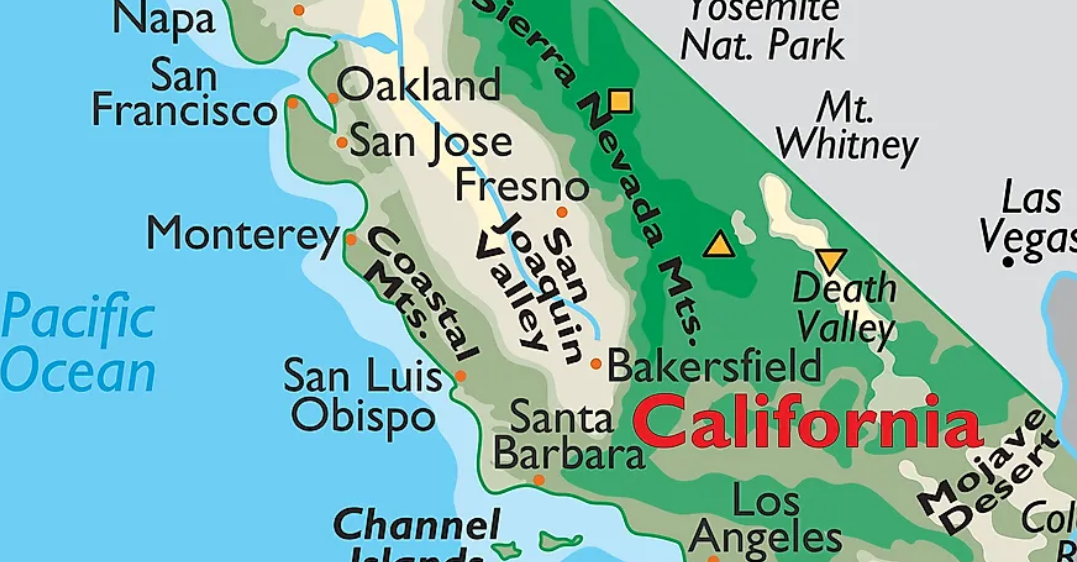
When a brand enters a market in the wrong location and underperforms, they don’t blame the site selection. They blame the market. “We tried Sacramento, it didn’t work for us.” Or Fresno. Or Bakersfield. So, they write off the entire region, even though the right location could have been wildly successful.
We see this repeatedly. A national restaurant chain opens its first location in a market based on conventional wisdom, near the regional mall, next to the recognizable anchors, on the “retail corridor” everyone knows. It underperforms. They close it and never return. Five years later, a competitor opens a location in the neighborhood commercial center, three miles away, and runs a waiting list.
The first brand didn’t fail because the market was wrong. They failed because they didn’t understand how that specific market works.
What Developers See That Others Don’t
As developers and operators, we live in these markets. We see where people actually go. We understand traffic patterns on Tuesday afternoons and Saturday mornings. We know which neighborhoods are growing and which are stagnant, which communities have disposable income and which are house-rich but cash-poor.
This isn’t mystical insight; it’s pattern recognition from being present. We see how existing businesses perform. We notice when certain areas stay busy while others sit empty. We understand the subtle differences between submarkets that look identical in demographic reports.
When we’re developing a project, we’re not just placing tenants in spaces. We’re thinking about how each brand will actually perform in that specific location, with those specific neighbors and that specific customer base. We’re considering not just who lives nearby, but also who works nearby, who drives by, and who already has a reason to be in the area.
The Spreadsheet Problem
The fundamental issue is that modern site selection has become too dependent on data that doesn’t capture reality. Traffic counts, demographic rings, and competitor mapping are useful tools. But they’re being used as answers when they should be questions.
A location might check every box in the site selection model and still be wrong. The demographics are right, but the psychographics are off. The traffic is there, but the sightlines are poor. The anchor draws customers, but they’re not your customers. The rent is reasonable, but only because everyone who knows the market knows it’s a challenging location.
We’ve learned that understanding a market means understanding layers that spreadsheets can’t capture. It means knowing that in this city, people won’t cross the freeway for retail. In this neighborhood, they prefer local concepts to chains. In this submarket, the customer base is limited to specific categories. These insights come from experience, presence, and actually operating in these markets.
A Different Approach
The most successful national brands we’ve worked with partner with local developers and operators who know the market intimately. They bring operational expertise and brand power, but they trust local knowledge for site selection.
They’re willing to hear “that location won’t work, but this one will” even when it contradicts their model. They understand that success in Denver doesn’t guarantee the same approach will work in Riverside. They’re patient enough to wait for the right opportunity rather than settle for a mediocre location.
These brands enter markets strategically. They establish strong positions in locations that work. They build customer bases. They create success that enables expansion rather than failure that prevents it.
The Bottom Line
Real estate remains a local business, even for national brands. The sooner companies recognize this, the fewer costly mistakes they’ll make.
The right location in the wrong part of town isn’t the right location. Perfect demographics with the wrong traffic pattern won’t save a store. And failing in a market because of poor selection doesn’t mean the market is bad; it means your selection process needs improvement.
As developers and operators, we’ve learned these lessons by seeing them play out repeatedly. The question is whether expanding brands will learn from them before repeating the same costly mistakes across markets.
Real estate representatives and brokers can only work with what they’re given. It’s time for brands to provide them with better parameters, ones that recognize that understanding local markets requires more than data. It requires presence, experience, and a willingness to trust that the “wrong” side of town might actually be exactly right.
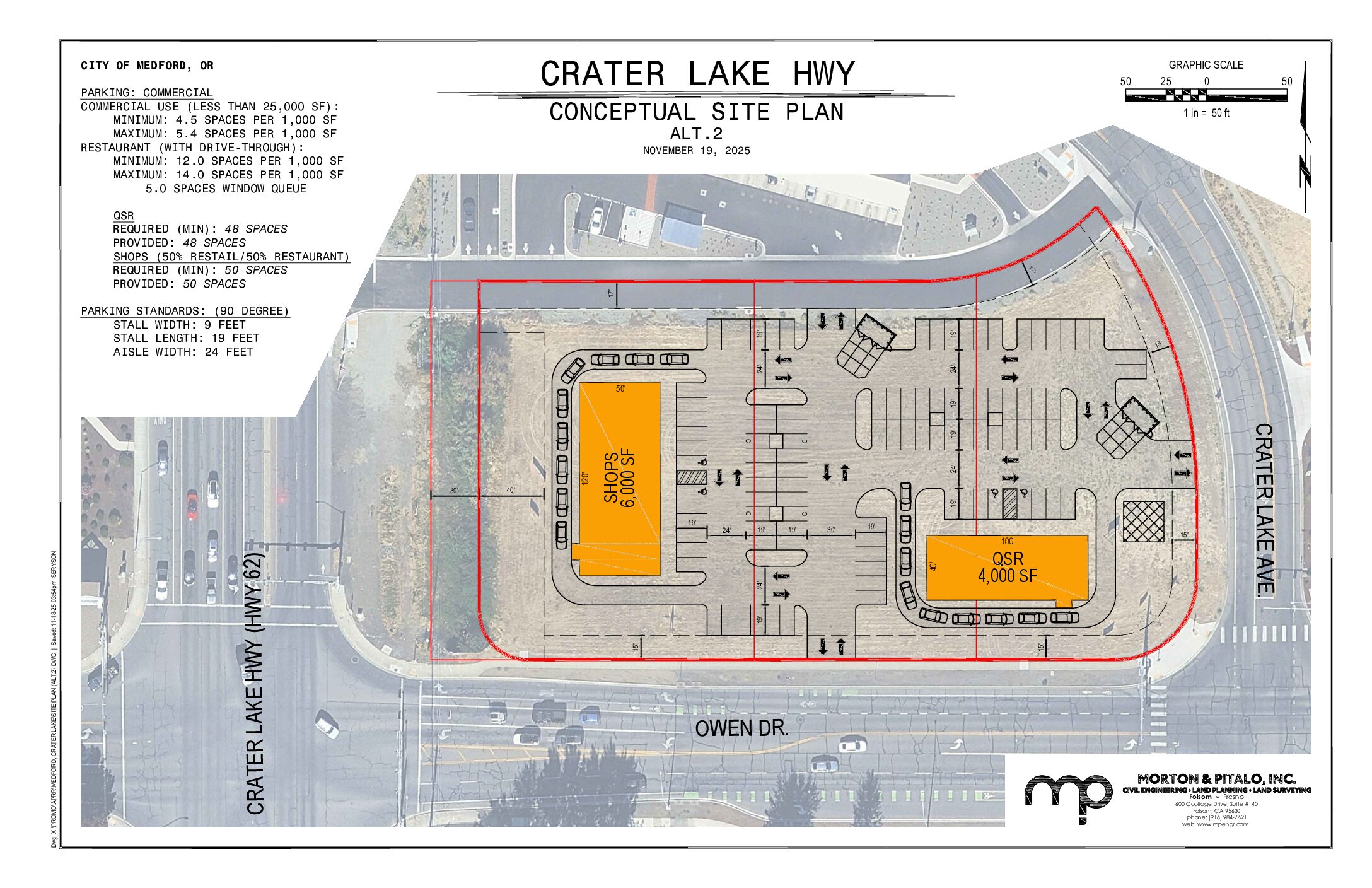
Today, we announced plans for the Medford project, a new commercial development in Medford, Oregon. This marks the company’s ongoing growth and expansion into the Oregon market over recent years.
Located along Crater Lake Highway (Highway 62) in the Tower Business Park, the Medford project will feature approximately 10,000 square feet of commercial space, including a 4,000-square-foot quick-service restaurant with a drive-through and a 6,000-square-foot multi-tenant retail building with a drive-thru.
“We’re thrilled to introduce the Medford project to Southern Oregon,” said Akki Patel, CEO of LRE & Co. “This development reflects our commitment to creating quality commercial spaces that serve both businesses and the communities they’re part of. Medford’s strategic location and strong growth trajectory make it an ideal market for LRE & Co’s expansion beyond our traditional Northern California footprint.”
The development will include approximately 98 parking spaces, two drive-through facilities, and pedestrian-friendly design elements throughout the property. The site is strategically positioned along Crater Lake Highway to capitalize on strong traffic while remaining compatible with the surrounding business park.
LRE & Co is currently working through the city’s entitlement process, including Site Plan Review with the Medford Site Plan and Architectural Commission. Tenant announcements and construction timelines will be released as the project advances through the city’s approval process.
In the quick-service restaurant industry, location isn’t just important; it’s everything. I’ve spent years working with brands like Dutch Bros, Starbucks, and Habit Burger, and I can tell you that the difference between a thriving location and an underperforming one often comes down to the science of site selection. Today’s most successful QSR brands don’t rely solely on gut feelings or basic demographics. They use sophisticated analytical frameworks that turn location selection from an art into a precise science.
The Foundation: Traffic Patterns and Accessibility
When evaluating potential drive-thru locations, traffic count is the most fundamental metric, but it’s far from the only consideration. We also look at average daily traffic (ADT) on adjacent roadways, typically seeking locations with 20,000 to 40,000 vehicles per day for most QSR concepts. However, raw numbers tell only part of the story.
Directional flow matters greatly. A site on the “going home” side of a major commuter route typically outperforms an identical location on the opposite side, especially for morning coffee concepts such as Dutch Bros and Starbucks. We analyze morning versus evening traffic patterns, recognizing that a site may see 60% of its traffic during the morning commute and capture a disproportionate share of revenue during those peak hours.
Ingress and egress, how easily customers can enter and exit the property, can make or break a location. The ideal site offers right-in, right-out access at a minimum, with left-turn access being highly desirable. We evaluate sight lines, median breaks, and traffic signal timing. A location that requires customers to make difficult turns or navigate confusing access points will see significant transaction loss, regardless of how strong other metrics appear.
Demographics: Beyond the Basics
While traditional demographics such as population density and household income remain important, modern site selection goes much deeper. For drive-thru concepts, we analyze daytime population, the number of people who work in the trade area versus those who live there. A location near office parks might have low residential density but enormous daytime traffic from employees seeking convenient meal options.
Psychographics are equally crucial. We analyze lifestyle segmentation data to understand consumer behaviors, preferences, and spending patterns. A Habit Burger location performs best in areas where residents value quality ingredients and are willing to pay premium prices for better-burger concepts. Dutch Bros thrives in communities with younger demographics who appreciate the brand’s energetic culture and beverage customization.
Technology now allows us to analyze mobile device data to understand actual movement patterns, dwell times, and cross-shopping behaviors. This reveals where potential customers spend their time, which competing restaurants they visit, and what their daily routines look like.
The Competitive Landscape
Understanding competition requires both macro- and micro-level analysis. We map all QSR locations within a trade area, paying special attention to direct competitors and complementary concepts. A Starbucks location might benefit from proximity to other coffee shops if the area demonstrates sufficient demand, while too many burger concepts in a tight radius could cannibalize a Habit Burger’s potential.
We also assess cannibalization risk for brands with multiple locations. Using sophisticated gravity models, we can predict how a new location might affect existing stores within the brand’s portfolio. The goal isn’t merely to avoid cannibalization but to optimize the network effect, in which multiple locations increase brand awareness and accessibility without significantly affecting individual store performance.
Site-Specific Characteristics
The physical attributes of a property significantly impact operational success. Drive-thru configuration is paramount; we evaluate queue capacity, menu board placement, bypass lane feasibility, and whether the design accommodates mobile order pickup lanes, which have become essential post-pandemic.
Parcel size and shape matter greatly. Most drive-thru concepts require a minimum of 0.5 to 1 acre, with specific frontage requirements. Corner locations often command premiums due to their visibility and accessibility advantages. We assess utility availability, grade and drainage, environmental constraints, and zoning compliance, as any of these factors can derail a project or dramatically inflate development costs.
The Financial Equation
Ultimately, every site selection decision is a financial one. We build detailed pro formas that project revenue based on traffic patterns, demographics, competitive dynamics, and model occupancy costs, development expenses, and operational considerations. The goal is to identify locations where unit economics support strong returns on investment.
Rent as a percentage of sales is a critical metric; most QSR concepts target 6-8% of gross sales for occupancy costs. We also evaluate lease terms, tenant improvement allowances, and exclusivity provisions that protect the brand’s long-term interests.
The science of site selection integrates data analytics, real estate expertise, and operational understanding. When executed properly, it transforms location selection from educated guesswork into a strategic advantage that drives sustainable growth and profitability for quick-service restaurant brands.
At LRE & Co, our team members wear many hats, and few embody that spirit more than Amber Lonski. As a Due Diligence Coordinator, Entitlement Manager, Project Manager, and more, Amber is the organized force that keeps our complex projects on track from concept to completion.
From Healthcare to Real Estate
Amber’s journey to LRE & Co took an unexpected turn. After 15 years in the medical field, including 12 years managing a family practice and three years managing a dermatology office, she found herself craving something different. “While I loved helping people, I felt like I was created for something more,” she reflects.
That “something more” led her to real estate and construction. Since joining LRE & Co. in July 2020, Amber has been fascinated by the building process itself and by how projects evolve from initial concepts into thriving businesses that serve communities.
The Art of Staying Organized
When you’re juggling multiple projects with countless moving parts, organization isn’t just helpful; it’s essential. “I am extremely organized,” Amber says. “The process is not easy. There are multiple steps, and if you miss one, it could cause a major delay. Having things organized helps streamline the process.”
Her typical day involves focusing on one project at a time while remaining ready to pivot. “Multiple fires come up daily, so I work my way through them and keep going,” she explains. It’s this combination of structure and adaptability that makes Amber invaluable to our team.
Finding Reward in the Journey
What keeps Amber passionate about her work? “Creating new businesses and opportunities,” she says without hesitation. “The process is so long from start to finish. It’s rewarding when the business is open and operating. Just to sit back and think, ‘I helped with that,’ is truly amazing.”
Take the Roseville Junction project, for example, which remains active and presents new challenges daily. “You just need to put your head down, breathe, put on your thinking cap, and get through the issues, one at a time,” Amber notes. Her persistence is her superpower: “I stick with things until they’re done.”
Looking Ahead
Amber sees exciting changes on the horizon for the industry. With the rise of online shopping, she believes people are craving more gathering spaces and experiences, a shift that aligns perfectly with LRE & Co.’s vision. “It’s exciting to see what comes next,” she says.
Regarding her future with the company, Amber has ambitious goals: “I would like to partner up at some point and invest in some of our projects. Just having that opportunity would be huge.”
Beyond the Office
When she’s not navigating the complexities of real estate development, you’ll find Amber outdoors, especially now that she has a new companion. Her pug, Benson Boone, who turns one on Christmas Day, keeps her active and exploring new places. “I enjoy taking him to new places and seeing his excitement,” she says.
Her perfect weekend? Home improvement projects (she’s completely renovated her house), family and friend gatherings, and trips to the dog park. She’s also a dedicated practitioner of hiking, yoga, and meditation, “needed in this line of work,” she adds with a laugh.
Amber’s go-to beverage? An iced double-shot chai tea latte. She describes herself as someone who “dabbles in both worlds” when it comes to being a morning person or a night owl—fitting for someone who needs to be ready for anything.
Words to Work By
When asked about the best advice she’s ever received, Amber offers wisdom that serves her well in the fast-paced world of development: “Breathe and think before you react.”
For those just starting their careers, her guidance is simple: “Open your ears and learn as much as you can.”
And perhaps most importantly, she’s learned from the LRE & Co team that flexibility is key: “The process can start with one plan and end with something entirely different. You need to be willing to adapt to the constant changes in this field.”
Making an Impact
What makes LRE & Co stand out? According to Amber, it’s our willingness to tackle ambitious projects and phase them strategically. “We are not afraid to tackle the big projects,” she says proudly.
As someone working “in the trenches,” as she puts it, Amber knows her role is crucial to whether projects materialize and, ultimately, to LRE & Co’s mission of creating economic opportunities and positive community impact.
Every property is someone’s home, someone’s business, someone’s future.
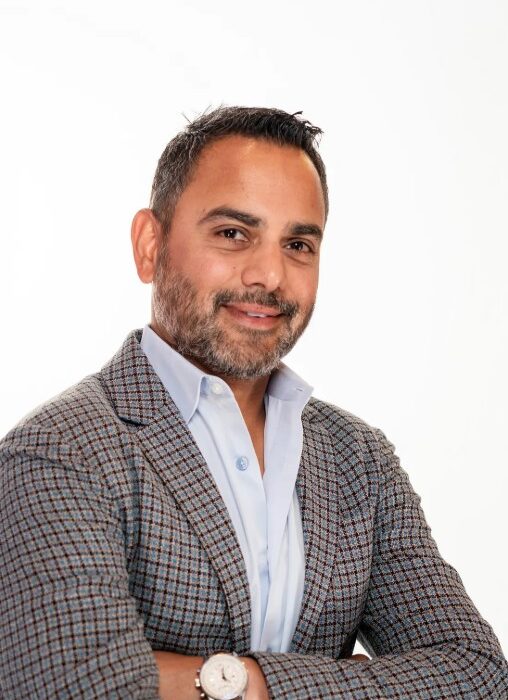
Asa part of our series about “How A Single Choice Can Redefine A Leadership Journey”, we had the pleasure of interviewing Akki Patel, the founder and leader of LRE & Co., a family-owned organization established in 1999 that specializes in real estate development, construction, and hospitality. Beginning his entrepreneurial journey at 20 with his first restaurant, Patel had built a diverse business empire, opening and operating more than 300 restaurants while managing over 850 establishments across California and northern Nevada.
Patel holds an undergraduate degree in accounting from the University of San Diego and has experience in the venture capital industry. He is a member of the Young Presidents’ Organization and serves on the advisory boards of several companies and nonprofits. His leadership philosophy emphasizes creating economic opportunities, delivering stakeholder value, and fostering a diverse, dynamic workforce dedicated to excellence.
Thank you so much for joining us in this interview series. Before we dive into our discussion, our readers would love to “get to know you” a bit better. Can you share with us the backstory about what brought you to your specific career path?
I grew up watching my family navigate the complexities of business and real estate, which sparked early curiosity about how value is created and maintained. But what truly drew me to this path wasn’t just the transactions — it was the understanding that real estate, at its core, is about people and communities. Every property is someone’s home, someone’s business, someone’s future.
I began my career in finance, which taught me discipline and analytical rigor. However, I felt most energized when working on deals that involved a human element — where you could see the direct impact on tenants, partners, and communities. That inspired me to start LRE & Co, where we aimed to build something that combined strong financial performance with genuine relationships. I wanted to create a company where doing right by people wasn’t just a slogan but the foundation of everything we do.
Can you share the most interesting story that happened to you since you started your career?
In 2019, we acquired a company that, by traditional metrics, we probably overpaid for. Then 2020 came, and like so many businesses, it took a hit. By late 2021, we sold it. On a spreadsheet, you’d call that a loss. But here’s what the numbers didn’t show: that acquisition brought us two incredible people who are now essential to LRE.
These weren’t just employees joining a team; they transformed our entire culture. The way they show up for partners, communicate with lenders and tenants, and handle on-site tasks raised our standards across the board. Today, they’re not just colleagues; they’re family. They embody the friendship, loyalty, and work ethic that’s easy to talk about but hard to find.
Looking back, I call it an “accidental acquihire.” We didn’t plan it that way, but we gained something far more valuable than the original business model promised. It taught me that if you judge a deal solely on the spreadsheet, you’ll miss the compounding value of the right people. That’s the kind of return that keeps paying dividends.
What do you think makes your company stand out? Can you share a story?
LRE stands out because we truly believe that the best return comes from the people, not just the people we serve, but also those we work with. We’ve built a culture where relationships aren’t transactional; they are foundational.
The story I just shared about the 2019 acquisition clearly illustrates this. We could have seen that deal as a financial mistake, accepted the loss, and moved on with a cynical attitude. Instead, we understood what really mattered: two outstanding individuals who improved everything we do. That experience strengthened our belief that talent and culture grow over time in ways that balance sheets can’t predict.
We support our partners, tenants, and team with consistent dedication. We innovate not just in deals, but also in building trust and providing value. That’s what makes us different — we’re playing the long game, and we’re counting on people every time.
You are a successful business leader. Which three character traits do you think were most instrumental to your success? Can you please share a story or example for each?
1. Long-term thinking over short-term wins The 2019 acquisition serves as a perfect example. When the business faced difficulties and we sold it in 2021, the immediate financial results didn’t look promising. However, I never judged success based on that single sale. The long-term benefit — two outstanding team members who continue to create value — far exceeded the short-term profit and loss statement. I’ve discovered that the best decisions often take years to fully unfold.
2. Conviction in people over assets Throughout my career, I’ve seen deals succeed or fail depending on the people involved. When we evaluate opportunities, we spend as much time assessing cultural fit and team capability as we do analyzing the numbers. In real estate, you can have the best property in the best location, but without the right people managing it, building relationships with tenants, and solving problems creatively, it’s just another building. Our success comes from consistently prioritizing character and competence over flashy assets.
3. Humility to learn from every outcome Not every deal turns out precisely as planned; that’s just reality. What matters is what you learn. The 2019 acquisition taught me that “failure” and “success” aren’t always binary. We could have been rigid about our original thesis, but instead, we stayed open to discovering unexpected value. That humility to adapt and to see beyond our initial assumptions has been crucial. It keeps us innovative and honest about what really matters.
Ok, thank you for that. Let’s now jump to the primary focus of our interview. What was the pivotal decision that transformed your approach to leadership, and what prompted you to make it?
The key decision happened after my 2019–2021 experience. I realized I needed to fundamentally change how I define success — not just for individual deals, but for LRE as a whole. The message was simple but powerful: two people I deeply respect are thriving at our company despite the “failed” transaction that brought them here.
I decided to stop leading primarily through financial metrics and instead focus on people and culture first. That doesn’t mean we ignore the numbers — we’re strict about performance — but it means we make decisions asking: “Who does this bring us closer to? Who does this help us become? What does this build beyond the immediate transaction?”
This wasn’t about becoming soft or idealistic. It was about realizing that sustainable, compounding success comes from attracting, keeping, and empowering exceptional people. Once I made that shift, everything changed — from how we structure deals to how we handle setbacks and how we measure our progress.
How did this single choice impact your personal growth and your view on what it means to lead?
This choice freed me from the anxiety of perfection. When you’re solely focused on metrics, every deal that doesn’t meet projections feels like a personal failure. But when you lead with a people-first approach, you develop a different perspective: you see opportunities for growth, learning, and relationship-building even in challenging situations.
Personally, it made me a better listener and observer. I started paying more attention to how people communicate, collaborate, and handle pressure. I became less interested in being the smartest person in the room and more focused on creating an environment where smart people thrive.
My view on leadership shifted from “making the right calls” to “building the right culture.” Authentic leadership isn’t about having all the answers — it’s about assembling a team that together has better answers than you ever could alone. It’s about creating environments where people bring their best selves to work and truly feel valued. That’s much more rewarding than just hitting quarterly targets.
What were some of the immediate and long-term effects of this decision on your team or organization?
Immediate effects: Our retention rates improved significantly. People felt recognized and appreciated beyond their productivity. Decision-making grew more collaborative. Team members understood their perspectives mattered, not just their execution. We began attracting diverse candidates — people motivated by culture and mission, not just pay. Trust levels rose throughout the organization. When people see you’re personally invested in them, they’re more willing to take risks and openly discuss challenges.
Long-term effects: Our reputation in the market has shifted. Partners and tenants began choosing us not just for our capabilities, but also for how we show up and treat people. Innovation accelerates when people feel secure and valued, making them more creative and willing to challenge the status quo. Resilience has improved. We’ve weathered market fluctuations and unexpected challenges better because our team has strong loyalty and commitment to one another. Our performance metrics actually improved. Paradoxically, by focusing less obsessively on the numbers and more on our people, our financial results strengthened because we were building something sustainable. The compound effect has been remarkable. The two team members from the 2019 acquisition have mentored others, elevated standards, and helped us attract even more talented people. It fosters a virtuous cycle.
How did you handle any uncertainty or doubt while making this critical choice?
Honestly, I experienced moments of doubt. The business world constantly proves that financial performance is king, and when you discuss culture and people-first leadership, some people see you as naïve or soft.
I managed the uncertainty by focusing on what I could observe and measure differently. I watched how those two team members from the acquisition transformed our operations. I saw morale improve. I noticed that our best people were staying longer, and our recruitment was becoming easier. These tangible signs gave me confidence that this wasn’t just feel-good philosophy — it was practical and effective.
I also relied on trusted advisors who had built sustainable, people-focused organizations. Their experiences confirmed that you don’t have to choose between a strong culture and strong performance — in fact, the two support each other.
When doubt arose, I reminded myself: the old method provided predictable results. This new method was delivering compounding returns and greater fulfillment. That trade-off felt worth the uncertainty.
What lessons did you learn from this decision that you continue to apply in your leadership today?
Lesson 1: Speed is essential, but direction is more crucial. That experience taught me that moving quickly to attract talent — even through an unconventional route — can cut years off the recruiting and development process. However, it only works if you’re clear about your culture and values. I now focus on cultural fit and character as much as capability in every hiring decision.
Lesson 2: The “cost” of investing in people is often undervalued. We paid a premium for that company and sold it at a loss. Traditional analysis says we failed. But the actual return comes every day and raises our standards. I’ve learned to look beyond immediate costs and see the long-term growth potential of the right people.
Lesson 3: Transparency and honesty build trust. When we sold that business, we were open with our team about what happened and what we learned. That vulnerability strengthened relationships rather than weakening them. I continue to lead with transparency because it fosters the trust needed for people to do their best work.
Lesson 4: Culture gives you a competitive edge. In our industry, many firms have access to similar capital, deals, and expertise. What sets us apart is how we collaborate, treat partners, and solve problems. I defend and nurture our culture as passionately as I protect our financials.
Ok super. Here is the main question of our interview. What are your “Five Things You Need to be a Transformational Leader”? If you can, please share a story or an example for each.
1 . Value people over assets The 2019 acquisition clarified this for me. We purchased a business that didn’t succeed financially, but gained two people who transformed our company. Transformational leaders recognize that talent, character, and culture create lasting value in ways that products, technology, or even real estate alone cannot. Now, every major decision I make starts with: “How does this affect our people? Who does this bring us closer to?” When you consistently focus on people, you build something that can withstand any market condition.
2. Embrace speed and adaptability over perfect planning That same acquisition taught me about speed. In hindsight, it was an “accidental acquihire” that condensed a year’s worth of recruitment and training into a single decision. We didn’t execute flawlessly, but we acted with conviction. Transformational leaders don’t wait for perfect information — they make informed bets and adapt quickly. The ability to move fast, learn, and adjust outweighs having a flawless five-year plan. Markets change, opportunities vanish, and talent is hired elsewhere while you’re still analyzing.
3. Lead with transparency and authenticity When we sold that business in 2021, I could have ignored it or spun it in a positive light. Instead, I was honest with our team about what happened and what we learned. That honesty strengthened trust and showed that it’s okay to take calculated risks that don’t always work out as planned. Transformational leaders foster environments where people can be honest about challenges, learn from setbacks, and innovate without fear. Authenticity isn’t a weakness — it’s the foundation of true influence.
4. Measure success by cultural compound interest, not just quarterly returns Great people improve everything: decision-making, managing pressure, and building trust with partners and tenants. That cultural boost pays off project after project, year after year. I’ve learned to evaluate decisions by asking: “Does this strengthen our culture? Will this grow stronger over time?” Sometimes that means passing on a lucrative deal that would compromise our values or investing in team development that doesn’t show immediate ROI. Transformational leaders play the long game and trust that a strong culture yields compounding returns.
5. Maintain conviction in your values during uncertainty The period from 2019 to 2021 tested my conviction. The business faced struggles and pandemic challenges and eventually sold at a loss. There were moments when I doubted the decision. But I held onto my core belief: we’re building something bigger than any single transaction. Those two team members showed that staying true to our values — even when the spreadsheet suggests otherwise — was the right decision. Transformational leaders don’t abandon their principles when times get tough; they double down on what matters most: their people, their culture, and their mission.
Were there any unexpected challenges or rewards that emerged from this choice?
Unexpected challenges: The biggest challenge was patience within the organization. When shifting to a people-first culture, some results take time to appear. In the months immediately after deciding to focus on culture, we had to resist pressure to deliver quick financial gains — discussions with stakeholders questioned whether we were being too soft or losing our competitive advantage. Staying firm during that time required discipline.
Another challenge was hiring. We became more selective, which sometimes meant leaving positions open longer than we would have liked. When you’re committed to cultural fit and character, you can’t just fill seats; you have to find the right people. That patience was challenging but ultimately necessary.
Unexpected rewards: The rewards exceeded my expectations. First, our market reputation changed. We started attracting inbound interest from talented people who wanted to work in our culture. That dramatically reduced recruiting costs and improved quality.
Second, our relationships with partners and tenants grew stronger. When your team genuinely cares and acts with integrity, people take notice. We’ve secured deals and kept tenants primarily because of how we treat others, not just because of our pricing or capabilities.
Third, personal fulfillment. Creating a company where people thrive and feel appreciated is far more rewarding than simply maximizing profits. Going to work and seeing people you genuinely care about doing their best, that’s a reward I didn’t fully expect but now can’t imagine living without.
Finally, those two team members from the acquisition have become informal ambassadors of our culture, helping new people onboard and modeling what we value. They’ve multiplied their impact far beyond what we could have predicted.
How has this decision influenced the advice or guidance you offer to emerging leaders?
I tell emerging leaders: Don’t wait for permission to lead with your values. Earlier in my career, I needed to hit certain milestones or achieve a certain status before I could lead the way I wanted. The 2019 acquisition taught me that you can start building the culture and organization you believe in right now, regardless of your title or resources.
Here’s the specific guidance I share: 1. Redefine success early. Don’t let others dictate what metrics matter. If people and culture are essential to you, make them explicit priorities from day one, not something you’ll “get to later.”
2. Trust your observations over conventional wisdom. I saw two incredible people thriving despite a “failed” transaction. That observation was more valuable than any business school framework. Pay attention to what’s working, not just what should work in theory.
3. Price is just one part of the deal. Whether you’re evaluating an acquisition, a partnership, or a hire, look beyond the immediate cost. Ask about cultural contribution, long-term potential, and intangible value. Some of the best investments look overpriced at first.
4. Build your team like your reputation depends on it — because it does. Every person you bring into your organization shapes your culture and your future. Be rigorous and patient about cultural fit. One wrong hire can set you back more than an empty seat.
5. Be willing to look foolish in the short term for long-term gain. Our 2019 acquisition looked like a mistake for a while. But I knew what we’d gained. Don’t let short-term critics deter you from building something sustainable.
The emerging leaders who resonate with this approach are building the companies I’m excited to see in ten years.
You are a person of great influence. If you could start a movement that would bring the most amount of good to the most amount of people, what would that be? You never know what your idea can trigger. 🙂
I’d start a movement called “Return on People” that fundamentally reframes how business success is measured and valued.
Here’s the concept: Companies would adopt a dual reporting framework that measures and publicly shares not just financial performance, but also people performance — retention rates, internal mobility, employee growth trajectories, cultural health indicators, and community impact. The goal would be to make “people returns” as important as financial returns in how we evaluate business success.
Imagine if every company had to answer: How many people did you develop this year? How many careers did you advance? How did your employees’ lives improve? How strong is your culture? What’s your compounding people value?
This would create several ripple effects: For companies, It would redirect competition toward creating better workplaces rather than simply maximizing productivity. Companies would focus on investing in people development because it’s publicly recognized and appreciated.
For employees: People would have better information about where to work. They could compare companies not just on salary, but on genuine investment in people.
For society: As more companies compete in people development, we will see stronger communities, improved mental health, increased economic mobility, and more sustainable business practices.
For capitalism itself: We will demonstrate that you don’t need to choose between profits and people — actually, investing in people leads to better long-term financial results.
The movement would start with companies voluntarily adopting this framework, sharing best practices, and building a community around a people-first business approach. Over time, it could influence investors, boards, and eventually policy.
I genuinely believe the future of business is human-centered, and this movement would accelerate that transition. The companies that win in the long run will be the ones that understand: the best return is the people.
How can our readers further follow your work online?
The best way to follow our work and philosophy is through:
LRE & Co. website: We share updates about our projects, team, and approach to real estate investment and management. https://lrecompanies.com/
I’m also always open to conversations with people building people-first organizations or emerging leaders who want to talk about balancing performance with culture. Feel free to reach out directly through LinkedIn — I genuinely enjoy those connections.
Thank you for the time you spent sharing these fantastic insights. We wish you only continued success in your great work!
Thank you for the thoughtful questions. This conversation reinforced why I love what we’re building at LRE. If even one reader walks away thinking differently about how they value people in their organization, this will have been time well spent.
I appreciate the opportunity to share our story, including the messy, unexpected parts. That’s where the real learning happens. I wish you and your readers continued success — and remember: bet on people. That’s the return that endures.