
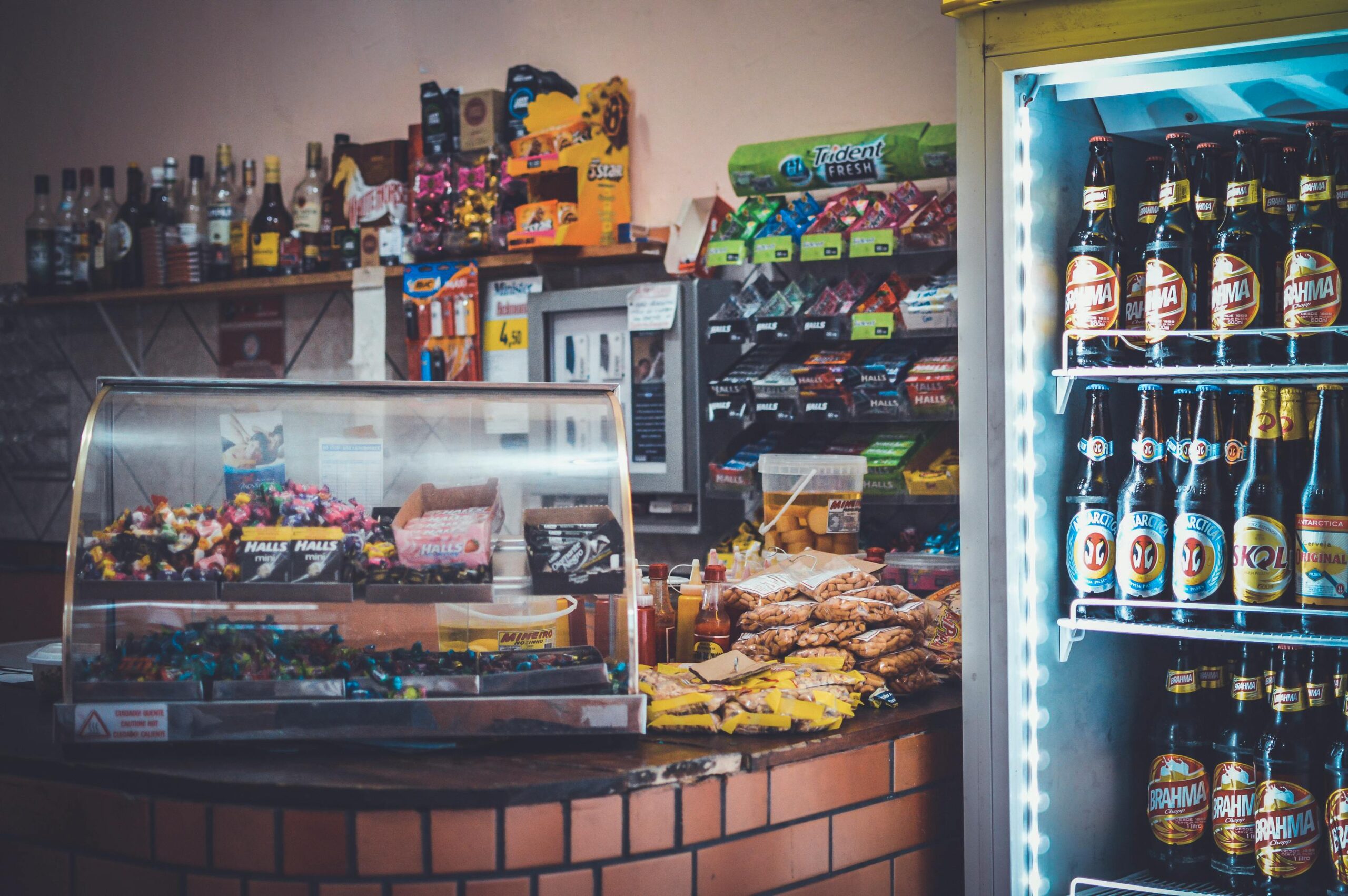
In commercial real estate development, we often highlight the flashy tenants —signature restaurants, boutique retailers, and branded hotels — that make headlines and spark imagination. But some of the most valuable anchors in our developments are the ones people visit multiple times a week without much notice: convenience stores.
At LRE & Co, we’ve learned that brands like Circle K, 7-Eleven, Maverick, and the phenomenon that is Buc-ee’s aren’t just space fillers. They’re traffic drivers, community connectors, and increasingly sophisticated retail operations that can make or break a mixed-use development’s success.
The Traffic Generator You Can Count On
Let’s talk about numbers. The average convenience store experiences 800 to 1,200 customer transactions per day. That’s not just foot traffic you hope for, it’s foot traffic you can count on. Unlike restaurants that depend on mealtimes or retailers that change with seasons and trends, convenience stores see steady, predictable visits every single day.
For developers, this reliability is invaluable. When designing a mixed-use property or retail center, we need tenants that bring steady traffic. A convenience store that opens from 5 am to midnight (or 24 hours) means constant activity. Early morning commuters grab coffee, lunch-hour crowds pick snacks, evening shoppers fuel up, and late-night workers stop by; the cycle never ends.
This steady traffic benefits all nearby tenants. The coffee shop next door catches some of that morning rush. The fast-food restaurant attracts customers who stop for gas on their way home. The dry cleaner or hair salon gains visibility from thousands of weekly passersby who might otherwise overlook them.
Recession-Resistant Revenue
During economic downturns, discretionary spending decreases. High-end restaurants face difficulties. Boutique retailers shut down. But convenience stores? They remain steady or even expand.
Why? Because they sell essentials. People still need gas, milk, bread, coffee, and basic household items regardless of the economic situation. In fact, during recessions, convenience stores often see more customers as shoppers switch from sit-down restaurants to grab-and-go meals or skip large grocery trips for smaller, more frequent buys.
This resilience is essential for developers and lenders. When you’re underwriting a project or securing financing, having recession-resistant tenants in your mix reduces overall portfolio risk. Banks understand this. Properties anchored by established convenience store brands often receive better lending terms due to the predictable revenue these tenants generate.
The Evolution Beyond “Convenience”
The convenience store industry has undergone significant change over the past decade. These aren’t just gas stations with candy racks anymore.
Take Buc-ee’s, the Texas-based phenomenon now expanding nationwide. Their locations aren’t just convenience stores; they’re destinations. Known for their immaculate restrooms, extensive food options, retail merchandise, and an almost cult-like customer following, they have redefined what’s possible in this category. A Buc-ee’s doesn’t just complement a development; it can become the main attraction.
Maverick has similarly raised the bar in the category with its “Adventure’s First Stop” brand positioning, offering quality food service, clean facilities, and a customer experience that rivals that of traditional quick-service restaurants.
Even traditional players like 7-Eleven have invested heavily in fresh food programs, mobile ordering, and delivery partnerships. Many locations now serve as viable alternatives to fast-food chains, not just last-resort options.
This shift shows how convenience stores are competing—and winning—customers against many dining and shopping options. That’s important for developers because it proves durability and flexibility in a fast-changing retail market.
Infrastructure for the EV Transition
As California and other states advance toward electric vehicle adoption, convenience stores are positioning themselves at the heart of this shift. Many operators are installing DC fast-charging stations, knowing that the 20–30-minute charging period creates a captive audience for their retail products.
This is a smart business strategy and well-planned infrastructure. Unlike traditional gas fill-ups that take five minutes, EV charging allows customers time to browse, eat, and shop. Convenience stores with strong food service and retail options are uniquely poised to benefit from this transition.
For developers, this means convenience store tenants aren’t just relevant today; they’re building infrastructure for the transportation landscape of tomorrow.
Site Selection and Synergy
Strategic placement of convenience stores can significantly enhance a development’s economics. Corner spots with high visibility and easy access generate value beyond the lease rate. In our projects, we’ve observed that a well-located convenience store with fuel service can justify higher land costs that might not make sense for other tenant types.
The alliance with other uses is just as important. Convenience stores naturally pair with quick-service restaurants (shared peak hours), daycare centers (morning drop-off traffic), car washes (one-stop errands), and hotels (travelers needing supplies). In mixed-use environments, they provide essential services for residents seeking walkable access to daily necessities.
The Bottom Line
Convenience stores might not earn architecture awards or create social media buzz. However, they provide something more critical: steady traffic, reliable income, and vital community services that keep developments lively and sustainable through every economic cycle.
At LRE & Co, we don’t just welcome convenience store tenants; we actively seek partnerships with quality operators who see themselves as community anchors. Whether it’s Circle K at Folsom Ranch or other locations in our portfolio, these operators show every day that sometimes the most valuable real estate tenants are those people who rely on them without hesitation.
In an industry often chasing the next trend, there’s excellent value in the reliable, consistent, and essential. That’s the core of the convenience store value proposition, and it explains why they’ll remain vital to innovative commercial real estate development for many years to come.