
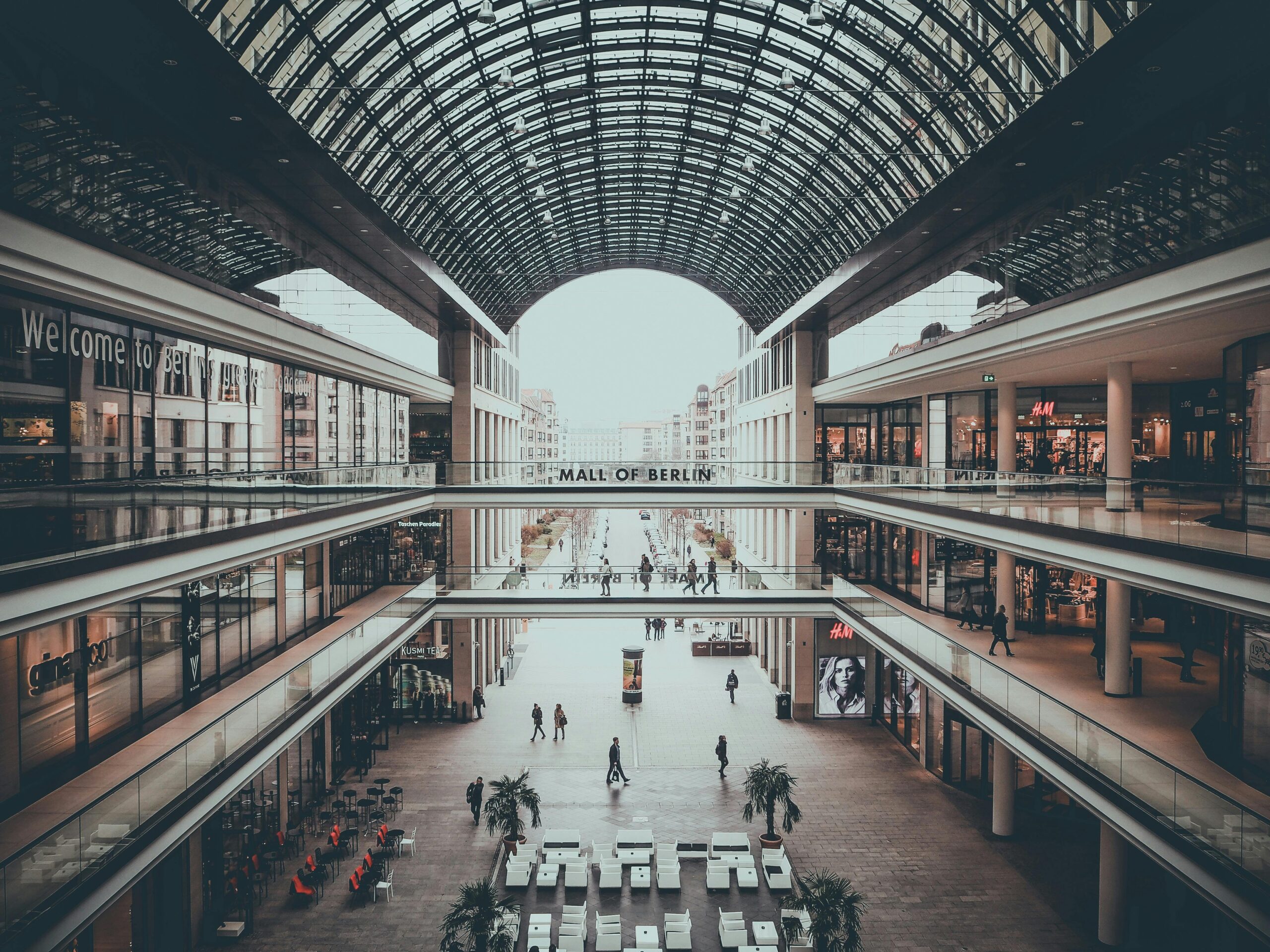
The Rise of Experience-Based Retail: Why Shopping Centers Need More Than Just Stores
The days of shopping centers serving as mere collections of retail storefronts are fading fast. Today’s most successful commercial developments are becoming vibrant community destinations where people come to experience, connect, and gather, not just to shop.
As developers and investors in California’s retail landscape, we’re witnessing a fundamental shift in what draws people out of their homes and into commercial spaces. Understanding this evolution isn’t just about staying relevant; it’s about creating places that genuinely serve the communities we build in.
The Amazon Effect Changed Everything
Let’s address the elephant in the room: e-commerce fundamentally altered retail. When consumers can order virtually anything with a few clicks and have it delivered to their doorstep, the value proposition of physical retail spaces must evolve. We can’t compete on convenience alone anymore.
But here’s what online shopping can’t replicate: the experience of being somewhere. The feeling of discovery. The spontaneity of trying something new. The simple pleasure of sharing a meal with friends or watching your kids play while you grab a coffee. These human experiences became the new currency of successful retail development.
What Makes a Destination?
The most successful retail developments we’ve seen and built share common characteristics that go far beyond traditional tenant mixes. They’re designed on the understanding that people seek experiences, not just transactions.
First, they integrate food and beverage as cornerstones, not afterthoughts. Drive-thru coffee shops like Dutch Bros and Starbucks create daily rituals for communities. Restaurants, ranging from quick-service options like Habit Burger to sit-down establishments, give people reasons to linger, meet friends, and return frequently. Food isn’t just another tenant category; it’s often the primary draw that makes everything else work.
Entertainment and recreation components have become equally essential. Whether it’s a family entertainment center, fitness studios, or outdoor gathering spaces with events and programming, these elements turn a shopping trip into an outing. They give families reasons to spend hours, not minutes, at a development.
Green spaces and outdoor areas designed for community gatherings have proven invaluable. In our Roseville Junction project, we’ve prioritized creating spaces where the community can come together for events, farmers’ markets, or simply to enjoy being outdoors. These aren’t decorative elements; they’re fundamental to the development’s purpose.
The Numbers Tell the Story
Experience-based retail isn’t just a feel-good concept; it’s smart business. When we create destinations rather than shopping centers, we see increased dwell time, which directly correlates with higher spending. A customer who comes for coffee, stays for lunch, then browses a few shops while their kids play generates far more economic activity than someone making a single-purpose shopping trip.
Mixed-use developments also create natural cross-traffic among tenants. Parents who drop off their children at daycare become regular customers at nearby coffee shops. Hotel guests at properties like ours in Roseville explore the surrounding retail and dining options. Office workers on lunch breaks frequent quick-service restaurants. This ecosystem effect makes every tenant more successful.
From an investment perspective, experience-based developments are more resilient. When a retail center is valued for the overall experience rather than any single anchor tenant, it’s better insulated from market shifts. If one restaurant closes, the development’s appeal remains because people come for the destination itself.
Lessons from the Field
Through our work across California and Nevada, we’ve learned that successful experience-based retail requires planning from day one. You can’t simply add a few restaurants to a traditional shopping center and call it experiential. The entire development must be designed as a cohesive destination.
Site planning matters immensely. Wide sidewalks, comfortable outdoor seating, intuitive traffic flow, and ample parking all contribute to whether people perceive a space as welcoming. We’ve found that creating distinct zones, such as a coffee-and-breakfast area separate from evening dining, or family-friendly spaces separate from professional services, helps visitors navigate and discover the development naturally.
Tenant curation is equally critical. We’re not just filling spaces; we’re crafting an experience. The right mix creates synergy, where the whole exceeds the sum of its parts. A great coffee shop next to a daycare center next to a yoga studio creates a morning-routine ecosystem. A brewpub near a family entertainment venue and evening dining options creates a different kind of destination for different dayparts.
Looking Ahead
The trend toward experience-based retail isn’t slowing; it’s accelerating. As younger generations prioritize experiences over possessions and as remote work continues reshaping how people structure their days, demand for well-designed community gathering spaces will only grow.
The developments that will thrive in the coming decades won’t be the ones with the most square footage or the biggest anchor tenants. They’ll be the ones that truly understand why people leave their homes and what they’re seeking when they do. They’ll be places that feel less like shopping centers and more like the heart of a community, because that’s exactly what they are.
For developers, this shift presents both a challenge and an opportunity. It demands more creativity, more careful planning, and a deeper understanding of community needs. But when done right, experience-based retail doesn’t just generate returns; it creates something genuinely valuable for the communities we serve. That’s the kind of development worth building.