
CategoriesNews & Blog

California Hospitality Market 2025: A Developer’s View from the Frontlines

At LRE & Co, we develop hospitality properties, as well as retail and mixed-use spaces, throughout Northern California. When you’re in the business of creating places where people stay, you learn to interpret the market not through press releases but by understanding what truly works in practice. 

The California hospitality market in 2025 tells a nuanced story—one that’s neither the doom-and-gloom narrative some headlines suggest nor the triumphant recovery others celebrate. It’s more complex than that, and understanding this complexity is essential for anyone investing capital in this space. 

The California Reality: Strong Fundamentals, Stubborn Challenges 

California’s hotel industry market size reached $37 billion in 2025, growing at an average annual rate of 12.4% since 2020. That sounds impressive until you look at what’s really happening underneath those numbers. 

California hotel sales volume fell by 15.3% in 2024 compared to 2023, while the number of individual sales decreased by 7.5%. More worrying, foreclosure activity surged significantly—from 53 notices of default filed in December 2023 to 86 in December 2024. The gap between buyer and seller expectations remains large, with many sellers still hoping for 2021-2022 pricing that today’s market cannot support. 

This gap presents opportunities for well-funded buyers willing to wait, but it also indicates real struggles in parts of the market. Hotels that succeeded during the post-pandemic boom are finding that 2025 requires different approaches than 2022 did. 

Regional Performance: The Tale of Three Markets 

Southern California’s three primary markets—San Diego, Los Angeles, and Orange County—each tell distinct stories. 

San Diego leads the state with a 12-month average occupancy of 73.8% through June 2025, consistently outperforming other California markets. RevPAR grew 2.4%, exceeding the national average of 1.5%. The market benefits from diverse demand generators: leisure attractions such as the San Diego Zoo and beaches, major conventions including Comic-Con with 135,000+ attendees, and strong weekday business from the life sciences, healthcare, and military sectors. 

But even San Diego faces challenges. The large 1,600-room Gaylord Pacific Resort opened in May 2025, adding significant new supply. Leisure travel, which accounts for about 55% of room nights, experienced modest declines during the summer as budget-conscious travelers chose vacation rentals or alternative destinations. 

Los Angeles saw RevPAR grow 5% in Q1 2025, driven in part by displaced residents and recovery teams from January’s wildfires. While the fires didn’t damage hotels or major attractions, this created unusual demand that may not persist. Inbound international travel remains below pre-pandemic levels, accounting for under 20% of hotel room demand, compared with nearly 25% in 2019. 

Orange County has effectively stopped new construction due to high costs, creating supply constraints that support existing properties but limit market growth. 

The Western States: Las Vegas Sets Records, Arizona Builds Momentum 

Las Vegas continues its impressive run. The market welcomed 40.8 million visitors in 2024, and while occupancy at 83.6% still falls short of pre-pandemic levels, ADR reached $193.16, and RevPAR hit $161.48—record figures for the third year in a row. Gaming revenue for Clark County totaled $13.5 billion, setting another annual record. 

What Vegas shows is that experience-driven hospitality can charge premium rates even when occupancy isn’t fully back. The new developments, attractions, and events—like the Sphere and major sporting events—generate demand that supports higher prices. 

Arizona’s hospitality industry is flourishing in ways that deserve more recognition. The state predicts nearly 6,000 new hospitality and entertainment jobs will be created by 2036. Tucson’s trailing 12-month RevPAR increased impressively by 7.9%, with ADR rising 6.3%. Arizona’s favorable business environment, expanding population, and major events make it an increasingly appealing alternative to California’s higher costs. 

The Cost Crisis: Wages, PIPs, and Margin Compression 

Here’s the uncomfortable truth about California hospitality in 2025: operating costs are rising faster than revenue. 

San Diego faces a potential increase in the hotel minimum wage to $25 an hour if pending legislation passes. Property Improvement Plans (PIPs), required by franchisors, now cost between $35,000 and $40,000 per room for mid-market, select-service hotels—a 30% to 40% rise from pre-COVID levels. These aren’t optional expenses; they are requirements for maintaining franchise agreements. 

Meanwhile, increases in labor, insurance, utilities, and property tax costs are outpacing RevPAR growth across the industry, leading to shrinking margins for operators. Hospitality is unique among commercial real estate asset classes in requiring existing owners to reinvest millions of dollars into properties to maintain current NOI levels. 

In California specifically, this cost burden, along with the state’s regulatory complexity, makes development and operations more challenging than in neighboring states. It’s not insurmountable, but it requires disciplined underwriting and realistic pro formas. 

The Transaction Market: Waiting Game Continues 

Hotel transaction activity has remained subdued throughout 2025. In the past 12 months, hotel transaction volume declined nearly 75%. Since Los Angeles’s “Mansion Tax” took effect in April 2023, only four hotels in the LA market traded for more than $20 million, two of which were tax-exempt. 

This creates a standoff. Sellers remember peak pricing from 2021-2022. Buyers see compressed margins, rising costs, and uncertain demand. CoStar Analytics forecasts a 75 to 125 basis-point increase in cap rates over the next 12 months, making conditions more attractive for buyers than for sellers. 

For developers and investors, this indicates that 2025-2026 might offer acquisition opportunities—especially for distressed assets or properties where owners can’t meet PIP requirements—but only if you’re prepared to invest capital in repositioning and maintain realistic expectations about stabilized returns. 

What’s Actually Working: The 2025 Playbook 

Based on our experience and market observation, here’s what performs in 2025’s California hospitality market: 

The luxury and upper-upscale segments show resilience. Premium properties that deliver exceptional experiences continue commanding strong rates. Luxury RevPAR is up 2.9% year-to-date nationally, significantly outperforming other segments. 

Experience-driven properties outperform commodity hotels. Wellness programs, unique F&B offerings, and memorable amenities create differentiation that justifies premium pricing. Two-thirds of people worldwide now expect high-quality, personalized, and wellness-enhancing experiences to be integrated into every space they engage with. 

Suburban and resort locations benefit from sustained leisure demand. While urban business travel recovery remains incomplete, drive-to destinations and vacation properties continue to perform steadily. 

Markets with diverse demand generators weather volatility better. San Diego succeeds because it balances leisure, group, corporate, and military segments. Properties dependent on single-demand sources face a higher risk. 

Technology-enabled operations improve margins. AI-driven revenue management, contactless services, and operational automation help offset rising labor costs. The hospitality industry is rapidly adopting these tools out of necessity, not preference. 

Looking Ahead: Cautious Optimism with Eyes Wide Open 

California’s hospitality fundamentals remain stable, with low vacancy rates and steady—if modest—rent growth. Visit California forecasts stronger performance outside gateway markets, with 2.2% revenue growth compared to 1.8% in gateway regions. Significant events in 2026—San Francisco hosting the Super Bowl, Los Angeles and San Francisco hosting FIFA World Cup matches—are expected to boost demand. 

But the industry faces a “two-speed recovery,” with luxury and upscale properties thriving while midscale and economy segments struggle. This bifurcation will likely persist through 2026, creating both opportunities and risks depending on your market position. 

At LRE & Co, we’re approaching California hospitality with measured optimism. The market isn’t broken, but it’s demanding. Success requires: 

  • Disciplined underwriting that reflects actual operating costs, not pre-pandemic assumptions 
  • Experience-focused positioning that gives guests reasons to choose you over alternatives 
  • Operational excellence because margins for error have vanished 
  • Realistic timelines for both development and stabilization 

The developers and operators who succeed in 2025 are those who’ve adjusted their strategies to current realities instead of waiting for yesterday’s market to return. They’ve accepted that premium markets require premium execution, and they have built teams and systems equipped to deliver it. 

California hospitality isn’t easy in 2025, but for those willing to do the hard work, invest in quality, and execute with discipline, opportunity still exists. You have to earn it more than you did a few years ago. 

And frankly, that’s how it should be. 

 

Housing Crisis
CategoriesNews & Blog

California’s Housing Crisis: The Hidden Commercial Real Estate Consequence

California’s housing crisis has made headlines for years. Still, its significant ripple effect on commercial real estate often goes unnoticed, altering perceptions of property investment, urban planning, and economic growth throughout the state.

The Workforce Migration Problem

The connection is simple but often missed: when employees can’t afford to live near their jobs, commercial real estate declines. We’re seeing a significant outmigration of middle-income workers from California’s big metro areas, especially the Bay Area and Los Angeles. These aren’t just numbers; they include teachers, nurses, retail managers, and skilled tradespeople who form the backbone of our local economies.

This migration creates a paradox for commercial landlords and investors. Class A office buildings in prime locations struggle to maintain occupancy, not because companies don’t want the space, but because they can’t staff their offices. I’ve seen firsthand how businesses are forced to choose between premium locations and accessible ones, often opting for secondary markets where their employees can afford to live.

The Adaptive Reuse Opportunity

However, a crisis sparks innovation. The housing shortage is boosting one of the most exciting trends in commercial real estate: adaptive reuse conversions. Outdated office buildings and underperforming retail centers are increasingly being turned into residential units. Although regulatory hurdles still pose a challenge, California’s building codes weren’t designed for such conversions, but forward-thinking developers are finding ways to overcome these obstacles.

These projects serve dual purposes: addressing the housing shortage while revitalizing struggling commercial buildings. The key is identifying properties with the right fundamentals: adequate ceiling heights, access to natural light, and locations with existing infrastructure.

Retail’s Transformation

The housing crisis is also changing retail real estate. As residential density increases in city centers, often due to required affordable housing projects, we’re seeing a rise in demand for neighborhood-focused retail. Mixed-use developments that combine housing with ground-floor commercial spaces are becoming common, creating walkable communities that cut down on commute times and boost quality of life.

Savvy investors are focusing on emerging neighborhoods with active housing development, expecting increased retail and service demand that comes with residential growth.

The Policy Wildcard

Sacramento’s legislative responses to the housing crisis, like SB 9’s lot-splitting rules and density bonus programs, are fundamentally changing land use economics. Commercial property owners now need to evaluate their holdings from a residential angle, considering whether switching to housing development could provide better returns.

Looking Forward

The intersection of California’s housing crisis and commercial real estate is not temporary; it signals a fundamental shift that demands strategic adaptation. Success will go to those who understand that housing affordability is not just a social issue; it’s a commercial real estate concern with tangible effects on asset values, tenant demand, and investment returns.

The question isn’t whether the housing crisis will continue to affect commercial real estate, but whether we’re ready to change our strategies accordingly.

Connect with LRE & Companies: For development opportunities, partnerships, or to share market insights, contact me at akkip@letapgroup.com or (415) 491-1500.

Folsom Ranch
CategoriesNews & Blog

Healthcare Expansion at Folsom Ranch: A Growing Hub for Medical Excellence

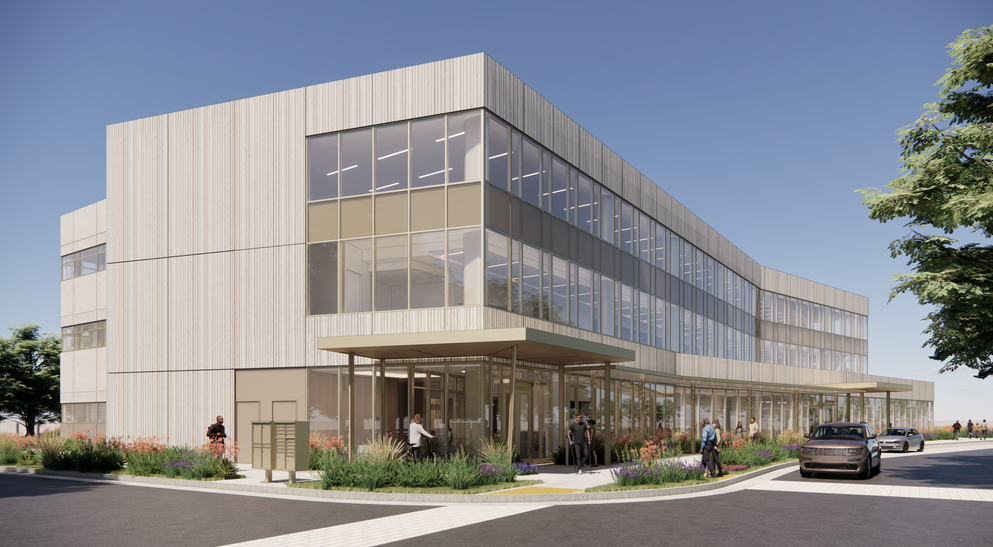
Folsom Ranch continues to strengthen its position as one of the Sacramento area’s top mixed-use developments, and the recent announcement of Dignity Health’s $123 million Advanced Ambulatory Care Center marks a significant milestone for the community. Scheduled to break ground this October at the corner of Alder Creek Parkway and McCarthy Way, this 90,000-square-foot facility is more than just another building project — it signifies Folsom Ranch’s rise as a healthcare hub.

A Strategic Healthcare Investment

The Dignity Health center will provide comprehensive outpatient services all in one location, including outpatient surgery, advanced imaging, urgent care, and multiple specialty services such as orthopedics, gynecology, urology, and more. Featuring integrated telehealth options and home-monitoring technology, the facility is built for the modern patient who values convenience without sacrificing quality care.

Opening in summer 2027, the center will employ hundreds of staff and represents phase one of what could eventually become a full medical campus, potentially including an acute care hospital and additional medical office buildings as the community expands.

LRE & Co: Building a Thriving Community

At LRE & Co, we are proud to be developing Folsom Ranch alongside partners who share our vision of creating a lively, full-service community. We have already secured exceptional tenants that meet the diverse needs of Folsom’s growing population.

  • Circle K (Parcel 1) – Providing essential gas station services
  • Dutch Bros (Parcel 2) – Bringing energy and community gathering space
  • The Learning Experience (Parcel 7) – Supporting families with quality childcare
  • Tesla (Parcel 10) – Advancing sustainable transportation infrastructure

These commitments demonstrate strong market confidence in Folsom Ranch, and Dignity Health’s significant investment further confirms the area’s impressive growth path.

Expanding Our Healthcare Focus

The success at Folsom Ranch has strengthened our dedication to developing healthcare-focused projects across the region. Seeing Dignity Health’s significant investment and the high demand for accessible, quality care in expanding communities has motivated LRE & Co to actively seek healthcare tenants for our broader portfolio of developments.

We recognize the unique needs of healthcare providers—strategic locations in high-growth areas, modern facilities, plenty of parking, and proximity to complementary services. The Folsom Ranch model shows how combining healthcare with retail, dining, and essential services helps create thriving communities where residents can truly live, work, and receive care close to home.

The Future is Here

Folsom Ranch signifies more than just rapid growth—it’s about thoughtful development that anticipates community needs. As we progress with projects across the Sacramento area, we’re looking for healthcare partners who share our vision of accessible, patient-focused care in vibrant, expanding communities.

For healthcare companies interested in exploring opportunities across LRE & Co. ‘s portfolio of developments, please get in touch with us today to discuss how we can support your expansion goals.

Northern California's Industrial Real Estate Boom
CategoriesNews & Blog

Northern California’s Industrial Real Estate Boom: A Market in Transition

Northern California’s industrial real estate sector continues to be a dominant force in the commercial property market, even as the industry adapts to the aftermath of years of rapid growth. The region’s industrial market is experiencing a significant shift, creating both challenges and opportunities for investors, developers, and tenants.

The Foundation of Sustained Growth

The Bay Area’s industrial market has demonstrated strong resilience, thanks to the region’s strategic location as a logistics and distribution hub. Prologis, the largest industrial property owner in the San Francisco Bay Area, manages 285 properties totaling over 30 million square feet that serve 600 customers. Additionally, 2 million square feet of logistics space is planned to meet the rising demand from customers across the region.

We’re witnessing a fundamental shift in how businesses approach their supply chain strategies,” says Akki Patel, CEO of LRE & Companies. “Northern California’s proximity to major ports, tech centers, and consumer markets makes it an indispensable part of the logistics puzzle. While we’re seeing some market normalization, the underlying demand for drivers remains incredibly strong.

Market Dynamics and Current Trends

The industrial sector has experienced significant changes over the past year. The San Francisco Bay Area industrial market closed Q2 2025 with an overall vacancy rate of 6.6%, with net absorption of negative 2,028,923 square feet. This represents a cooling from the hyper-competitive market conditions seen in previous years, when the market experienced 50% to 70% year-over-year rent growth, which was unprecedented.

The logistics sector remains stable, with vacancy rates holding at the long-term average of 5.8%, even as flex space vacancy rates increase. This contrast underscores the ongoing strength of e-commerce and distribution-focused properties.

The E-Commerce Effect

Major players continue to invest heavily in the region’s industrial infrastructure. Amazon has reignited its Bay Area real estate expansion with a significant industrial lease, committing to more than 1.2 million square feet of new warehouse space. This type of large-scale commitment underscores the ongoing importance of Northern California as a distribution and fulfillment hub.

The e-commerce boom has permanently shifted consumer expectations around delivery speed and convenience,” explains Patel. “Companies need to be closer to end consumers, and Northern California’s population density and purchasing power make it a key location for any serious distribution strategy.

Regional Hotspots and Development Activity

Silicon Valley, located in the San Jose/Sunnyvale/Gilroy areas, saw new developments, with over 1.1 million square feet of new space delivered in 2024. However, more than 20 percent of that space is still available for lease. This activity demonstrates both confidence in long-term demand and the challenge of aligning new supply with market absorption.

The East Bay remains a vital area for industrial growth, offering more affordable options while maintaining strong transportation connections. These submarkets are attracting increasing interest from tenants who want to balance costs with operational efficiency.

Looking Ahead: 2025 and Beyond

Industry forecasts point to a stable period as the market absorbs recent supply increases. The demand for warehouse and logistics spaces is expected to rise significantly, indicating that although growth may slow from peak levels, the overall trend stays positive.

“We’re entering a more balanced market environment,” notes Patel. “The days of 70% annual rent increases are behind us, but that’s actually healthy for the ecosystem. Tenants can make more strategic long-term decisions, and developers can focus on quality and efficiency rather than just racing to deliver square footage.”

Investment Opportunities

The current market conditions offer unique opportunities for sophisticated investors. While vacancies have increased slightly, they are still well below historical averages in many submarkets. The average industrial vacancy rate nationwide rose to 6.1 percent in the second quarter of 2024, remaining well under the double-digit rate seen during the Great Financial Crisis.

For investors and businesses considering Northern California’s industrial market, understanding the differences between various property types and locations is essential. Logistics and distribution facilities continue to garner top interest, while flex spaces may offer valuable opportunities for appropriate uses.

Conclusion

Northern California’s industrial real estate boom is evolving rather than coming to an end. The market is transitioning from rapid growth to sustainable expansion, fueled by unique geographic advantages and strong demand fundamentals. For stakeholders who understand these trends, the current landscape offers compelling opportunities to participate in one of the nation’s most dynamic industrial markets.

As the market matures further, success will increasingly rely on strategic positioning, operational efficiency, and thorough market knowledge —precisely the environment where experienced professionals can generate lasting value.


CategoriesNews & Blog

The Joy of Being a Commercial Real Estate Developer in California: Riding the Golden State’s Real Estate Waves

There’s something uniquely thrilling about being a commercial real estate developer in California. Every morning, I wake up knowing that I’m working in one of the world’s most dynamic and demanding markets where innovation meets opportunity, and where the next project could transform a community.

The Highs: Where Dreams Meet Reality

The peaks in California commercial development are unlike anywhere else. When you successfully navigate a complex entitlement process and break ground on a mixed-use project in San Francisco or deliver a state-of-the-art logistics facility in the Inland Empire, the satisfaction is deep. You’re not just building structures; you’re creating ecosystems where businesses thrive, jobs are created, and communities grow.

California’s diverse economy offers a wide range of development opportunities. Projects can include everything from advanced research facilities for growing biotech firms to manufacturing plants supporting renewable energy efforts. This variety keeps the work exciting and intellectually stimulating, while placing developers at the forefront of emerging industries.

The financial rewards can also be significant. When market conditions are right and you’ve positioned a project properly, California’s premium markets can provide exceptional returns that justify the complexity and risk involved in development here.

The Lows: Navigating Complex Waters

Let’s be honest—California development isn’t for the faint of heart. The regulatory environment can be complex, with multiple jurisdictions, environmental reviews, and approval processes that can extend timelines and increase budgets. What seems like a simple project can turn into a multi-year journey through various agencies and community meetings.

Construction costs in California consistently rank among the nation’s highest, driven by strict building codes, labor shortages, and material costs. Add in the ongoing threat of seismic requirements and environmental regulations, and project budgets can quickly go over initial estimates.

Market volatility poses another challenge. California’s economy, though strong, can experience sharp swings. Tech downturns, interest rate changes, and evolving work habits, especially after the pandemic, can quickly shift demand across different property types.

Areas of Opportunity: The Future is Bright

Despite the challenges, California offers unrivaled opportunities for innovative developers. The state’s focus on sustainability drives demand for green buildings and renewable energy projects. ESG-focused development isn’t just fashionable here—it’s becoming crucial for long-term success.

The evolution of work patterns has created opportunities in adaptive reuse projects, converting outdated office buildings into mixed-use developments or modern logistics facilities. California’s housing crisis also opens opportunities for innovative residential-commercial hybrid projects that meet multiple needs at once.

Emerging technologies such as artificial intelligence, biotechnology, and clean energy continue to increase demand for specialized facilities. Developers who can anticipate these industries’ unique spatial requirements will be well-positioned for the next wave of growth.

The Bottom Line

Being a commercial real estate developer in California involves navigating complexity while seizing exceptional opportunities. Yes, the challenges are substantial, but so are the rewards—both financially and personally. We’re not just constructing properties; we’re shaping the future of one of the world’s most vital economies.

Every project teaches us something new, every challenge we overcome builds resilience, and every successful development helps California continue to evolve as a global leader in innovation and commerce.


Get in touch

phone

(415) 491 – 1500

4302 Redwood Hwy Suite 200

San Rafael, CA 94903

email

info@lrecompanies.com

Get in touch

phone

(415) 491 – 1500

4302 Redwood Hwy Suite 200

San Rafael, CA 94903

email

info@lrecompanies.com

about us

The LRE & Co is a family organization that has been in real estate development, construction and the food and beverage businesses since 1999. It has been present in major markets throughout northern California and northwest Nevada.

Newsletter

Get latest news & update

© 1999 – lrecompanies.com. All rights reserved.