CategoriesNews & Blog

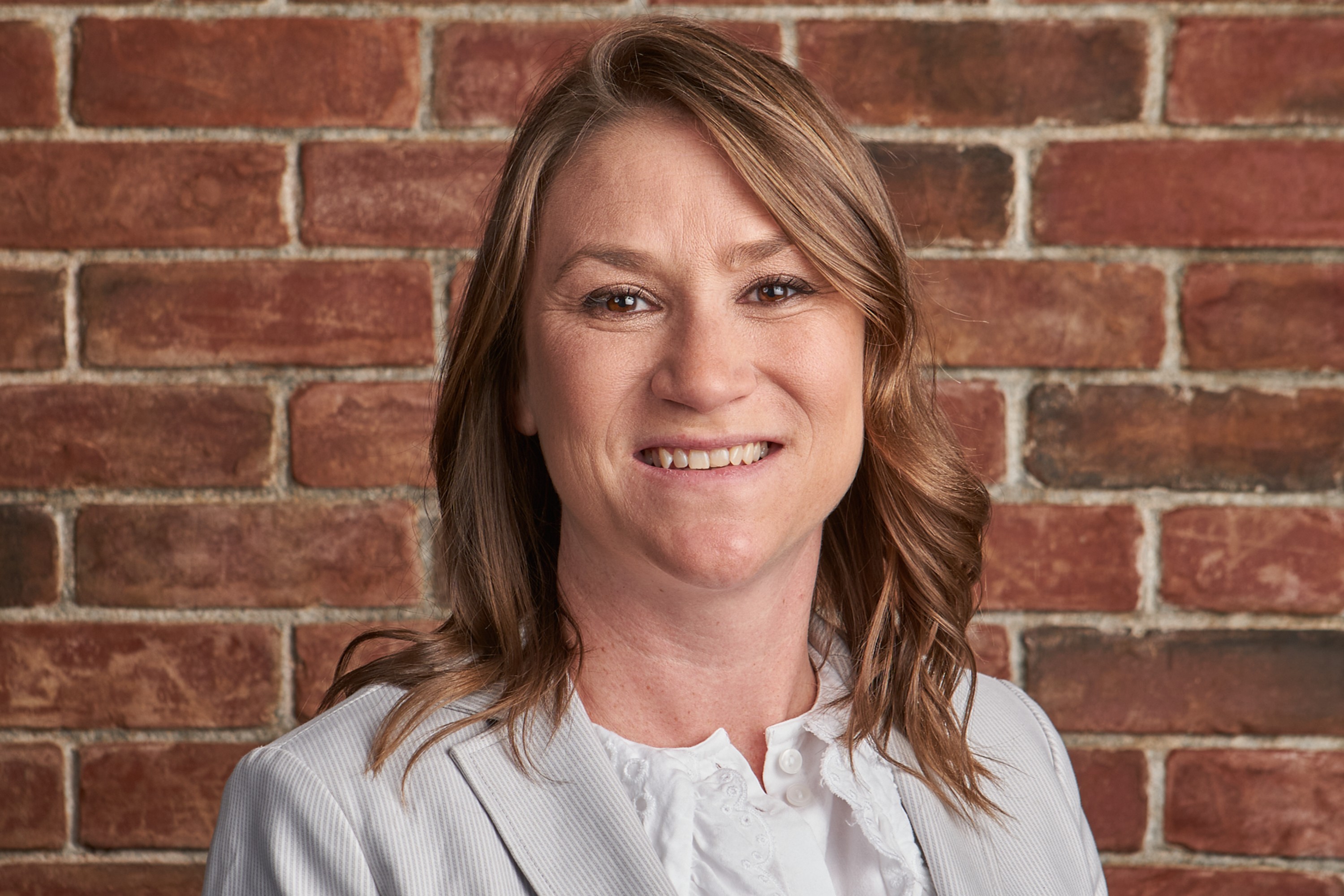
Team Spotlight: Meet Amber Lonski, Director of Leasing and Construction

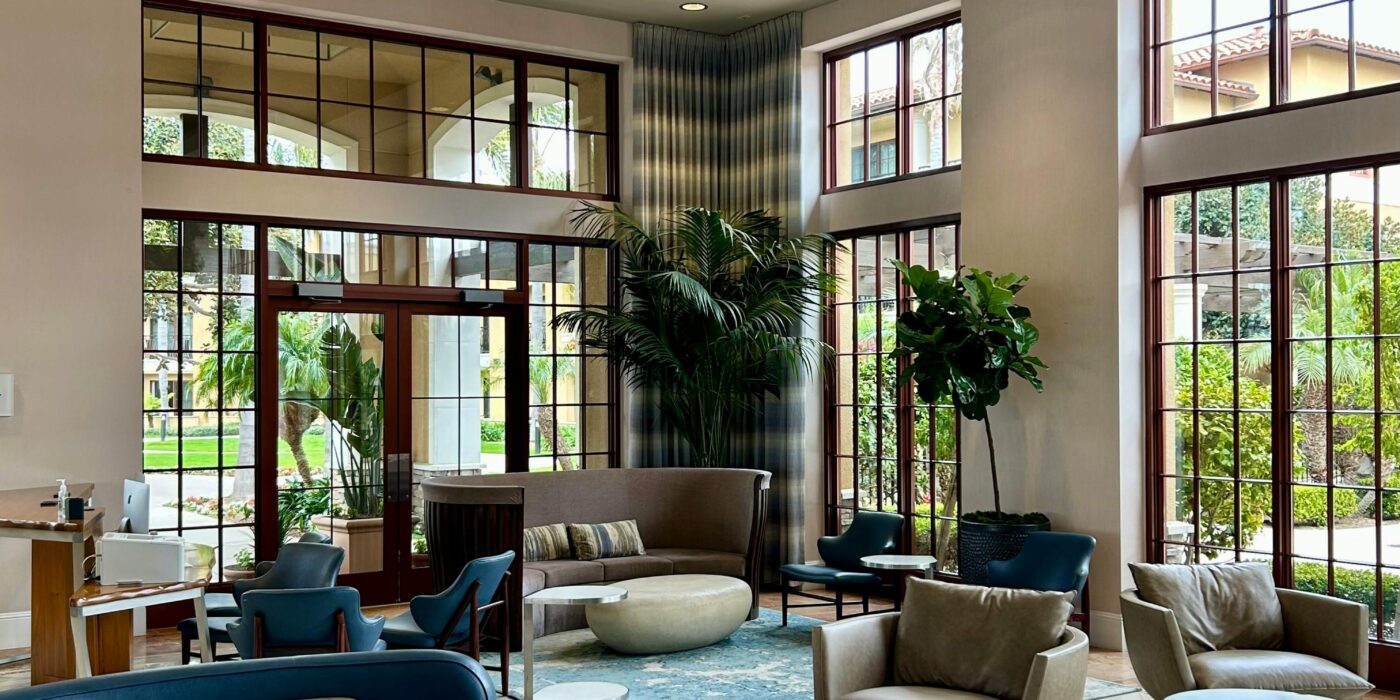
At LRE & Co, our team members wear many hats, and few embody that spirit more than Amber Lonski. As a Due Diligence Coordinator, Entitlement Manager, Project Manager, and more, Amber is the organized force that keeps our complex projects on track from concept to completion.

From Healthcare to Real Estate

Amber’s journey to LRE & Co took an unexpected turn. After 15 years in the medical field, including 12 years managing a family practice and three years managing a dermatology office, she found herself craving something different. “While I loved helping people, I felt like I was created for something more,” she reflects.

That “something more” led her to real estate and construction. Since joining LRE & Co. in July 2020, Amber has been fascinated by the building process itself and by how projects evolve from initial concepts into thriving businesses that serve communities.

The Art of Staying Organized

When you’re juggling multiple projects with countless moving parts, organization isn’t just helpful; it’s essential. “I am extremely organized,” Amber says. “The process is not easy. There are multiple steps, and if you miss one, it could cause a major delay. Having things organized helps streamline the process.”

Her typical day involves focusing on one project at a time while remaining ready to pivot. “Multiple fires come up daily, so I work my way through them and keep going,” she explains. It’s this combination of structure and adaptability that makes Amber invaluable to our team.

Finding Reward in the Journey

What keeps Amber passionate about her work? “Creating new businesses and opportunities,” she says without hesitation. “The process is so long from start to finish. It’s rewarding when the business is open and operating. Just to sit back and think, ‘I helped with that,’ is truly amazing.”

Take the Roseville Junction project, for example, which remains active and presents new challenges daily. “You just need to put your head down, breathe, put on your thinking cap, and get through the issues, one at a time,” Amber notes. Her persistence is her superpower: “I stick with things until they’re done.”

Looking Ahead

Amber sees exciting changes on the horizon for the industry. With the rise of online shopping, she believes people are craving more gathering spaces and experiences, a shift that aligns perfectly with LRE & Co.’s vision. “It’s exciting to see what comes next,” she says.

Regarding her future with the company, Amber has ambitious goals: “I would like to partner up at some point and invest in some of our projects. Just having that opportunity would be huge.”

Beyond the Office

When she’s not navigating the complexities of real estate development, you’ll find Amber outdoors, especially now that she has a new companion. Her pug, Benson Boone, who turns one on Christmas Day, keeps her active and exploring new places. “I enjoy taking him to new places and seeing his excitement,” she says.

Her perfect weekend? Home improvement projects (she’s completely renovated her house), family and friend gatherings, and trips to the dog park. She’s also a dedicated practitioner of hiking, yoga, and meditation, “needed in this line of work,” she adds with a laugh.

Amber’s go-to beverage? An iced double-shot chai tea latte. She describes herself as someone who “dabbles in both worlds” when it comes to being a morning person or a night owl—fitting for someone who needs to be ready for anything.

Words to Work By

When asked about the best advice she’s ever received, Amber offers wisdom that serves her well in the fast-paced world of development: “Breathe and think before you react.”

For those just starting their careers, her guidance is simple: “Open your ears and learn as much as you can.”

And perhaps most importantly, she’s learned from the LRE & Co team that flexibility is key: “The process can start with one plan and end with something entirely different. You need to be willing to adapt to the constant changes in this field.”

Making an Impact

What makes LRE & Co stand out? According to Amber, it’s our willingness to tackle ambitious projects and phase them strategically. “We are not afraid to tackle the big projects,” she says proudly.

As someone working “in the trenches,” as she puts it, Amber knows her role is crucial to whether projects materialize and, ultimately, to LRE & Co’s mission of creating economic opportunities and positive community impact.

CategoriesNews & Blog

California Hospitality 2026: Adapting to the New Reality

In my previous article, I analyzed where California’s hospitality market stood in 2025—stable fundamentals overshadowed by rising costs and selective distress. Now, as we look toward 2026, the industry faces what one analyst called a “recalibration,” a year that requires strategic discipline over optimistic expansion.

At LRE & Co, we focus on making long-term capital decisions. That means we can’t afford to rely on wishful thinking. Here’s what the data shows about 2026 and what it means for anyone investing in California hospitality.

The Forecasts Tell a Sobering Story

National RevPAR is projected to decrease by 0.2% in 2025 before increasing by 0.9% in 2026—modest growth that barely exceeds inflation. Occupancy will fall from 63% in 2024 to 62.5% in 2025 and 62.3% in 2026, indicating continued softness even as ADR rises slightly.

This isn’t a collapse. It’s stagnation—the kind that tests whether your operations can still generate profit when tailwinds fade.

California faces additional pressures. Visit California forecasts 2.2% revenue growth in non-gateway markets compared to 1.8% in gateway regions, suggesting that secondary markets might outperform traditional urban centers. San Francisco’s Super Bowl and FIFA World Cup matches in both Los Angeles and San Francisco should boost demand temporarily, but these are one-time events, not long-term improvements.

The harsh truth? The latest forecast shows the first yearly decline in U.S. RevPAR since 2020, and ADR growth still lags behind inflation, squeezing margins everywhere.

The Two-Speed Recovery Accelerates

The bifurcation I discussed in 2025 isn’t closing—it’s widening. Luxury hotels saw a 5.3% RevPAR increase through August 2025, while the economy segment fell 1.8%. Only luxury and upper-upscale chains experienced positive RevPAR growth.

This reflects economic reality. Higher-income households continue to spend confidently on premium experiences, while middle- and lower-income consumers, facing higher credit card debt and depleted savings, cut back or travel less.

For California specifically, this presents both opportunities and risks. Luxury properties in Napa, Carmel, and coastal destinations can charge premium rates. However, midscale properties that rely on budget-conscious leisure travelers face growing competition from vacation rentals and other alternative accommodations.

The middle is getting squeezed, and 2026 won’t provide relief.

AI Moves from Buzzword to Business Imperative

89% of hoteliers plan to adopt new AI applications in 2026, and there’s a good reason. AI-driven revenue management now adjusts rates dynamically based on booking pace, competitor pricing, local events, and weather patterns. AI deployment in hospitality call centers has reduced call abandonment rates by 6-8% and increased reservation conversion by 25-35%.

But AI’s most significant impact comes from improving operational efficiency. Predictive maintenance helps reduce emergency repairs. Innovative HVAC systems enhance energy use based on occupancy forecasts. AI-powered staffing models match labor to actual demand, lowering overstaffing during slow periods.

For California operators struggling with high labor costs, this technology isn’t optional—it’s essential for survival. Properties that implement AI effectively will achieve higher margins than competitors still using manual systems.

The caveat? Implementation demands investment and expertise. Hotels that rush into AI without proper data infrastructure or staff training will waste capital without seeing returns.

Experience and Personalization Become Table Stakes

Personalization will be the key factor in how hospitality brands build loyalty and differentiate themselves in 2026. It’s not just about remembering guest names—it’s about leveraging data to provide exactly what each guest values at the perfect moment.

Static rate plans will disappear, as hotels begin selling experiences from sunrise breakfasts to private yoga sessions, transforming what makes a hotel unique into bookable moments. The line between room rates and experience packages is becoming less clear.

For California properties, this aligns with their natural advantages. Wine country properties can offer curated tastings. Coastal hotels can bundle surf lessons or marine tours. Urban properties can partner with local restaurants, cultural institutions, and entertainment venues.

The key is execution. Creating compelling experiences requires operational capacity, not just marketing creativity. Half-implemented programs that disappoint guests are worse than no program at all.

The Supply Challenge Intensifies

After years of limited growth, new supply is now speeding up. U.S. markets are expected to expand by up to 1.8% in 2026, with 928 new projects and around 101,796 rooms. As supply increases, it may outpace still-delicate demand, possibly leading to lower occupancy rates in certain segments and locations.

California markets experience uneven supply impacts. Los Angeles has limited new construction outside major projects. San Diego continues building, especially in extended-stay segments. Secondary markets like Sacramento and Fresno see moderate development as developers focus on affordability trends.

For existing operators, this means that pricing power declines in markets where new supply is significant. For investors, it presents acquisition opportunities as older properties struggle to compete with the latest amenities and face Property Improvement Plan requirements they can’t afford.

The Financial Reality: Debt, PIPs, and Distress

The hotel sector faces a $48 billion CMBS maturity wave in 2025-2026, with many borrowers facing debt costs of 6.25% to 7% compared to original rates of 3% to 4.5%—a 40% increase that many properties can’t absorb.

Combined with brand-mandated PIPs costing $35,000 to $40,000 per key for mid-market properties, the financial pressure is intense. As of August 2025, hotel delinquency reached 7.29%, and distressed sales are increasing.

For well-capitalized buyers, 2026 offers acquisition opportunities. Distressed owners dealing with refinancing issues and PIP compliance will sell at prices that benefit those with patient capital and operational expertise.

But this requires discipline. Not every distressed asset presents an opportunity—some properties can’t produce enough NOI regardless of ownership. The key is recognizing assets where operational improvements, modest capital investment, and market positioning lead to acceptable returns.

What Works in 2026: The Strategic Playbook

Based on industry forecasts and our development experience, here’s what succeeds:

Luxury and experience-driven properties continue to outperform. Properties delivering memorable experiences justify premium rates even when occupancy softens.

Secondary market positioning offers growth. Non-gateway California markets forecast stronger 2.2% revenue growth versus 1.8% in gateway regions, suggesting opportunity in places like the Inland Empire, the Central Valley, and emerging wine regions.

Extended-stay segments show resilience. Business travelers and displaced residents value apartment-style amenities, particularly in markets with limited residential inventory.

Group and corporate focus provides stability. Higher-priced hotels will benefit from robust group travel demand, especially in the second half of 2026, when significant events create concentrated demand.

Technology-enabled operations improve margins. Properties leveraging AI for revenue management, staffing optimization, and guest personalization operate more efficiently than competitors.

California’s Specific Challenges

The state’s structural challenges—high operating costs, regulatory complexity, and elevated minimum wage—continue into 2026. San Diego’s potential rise to a $25-per-hour minimum wage for hotels would further squeeze profit margins.

International travel recovery remains sluggish, with inbound visitors making up less than 20% of California hotel demand, down from nearly 25% before the pandemic. This continues to hinder luxury urban hotels that rely on international guests.

But California maintains its advantages: major events like the Super Bowl and FIFA World Cup, unparalleled attractions, and a concentration of high-income households willing to spend on premium experiences. Success requires accepting that California demands top-tier execution—you can’t operate mediocre properties profitably in this cost environment.

The Investor Perspective

The bid-ask spread is still wide compared to 24 months ago, but with RevPAR stabilizing, 2026 might present more opportunities for dealmakers with confidence and strong balance sheets.

Transaction volume is expected to rise, mainly due to distressed sales as overleveraged owners exit. Trophy assets continue to attract capital, but most deals require careful underwriting that considers actual operating costs, realistic stabilization timelines, and honest assessments of competitive positioning.

For LRE & Co, this means being selective. We’re focusing on secondary markets with demographic tailwinds, properties that need capital investment and offer genuine differentiation, and situations where operational improvements can drive NOI growth that offsets higher interest costs.

The Bottom Line

California hospitality in 2026 isn’t about riding recovery momentum; there isn’t any. It’s about operational excellence, strategic positioning, and disciplined capital deployment in a market that rewards precision.

The bifurcated recovery persists. Luxury continues to thrive. The economy faces challenges. Midscale sectors are getting squeezed. Technology has become essential. Experiences matter more than amenities. Supply growth surpasses demand growth.

Success depends on accepting this reality instead of waiting for market conditions to get better. The properties and operators that succeed in 2026 will be those who adjust their strategies to current market trends, invest in technology and experiences that set them apart, and stay financially disciplined while competitors focus on growth.

It won’t be the easiest year the industry has encountered. But for those willing to execute precisely, keep realistic expectations, and deploy capital wisely, 2026 presents opportunities that simpler markets don’t offer.

The hospitality market no longer rewards optimism; it rewards competence. And honestly, that’s exactly how it should be.

 

CategoriesNews & Blog

Coffee Is Crowded. Execution Wins.

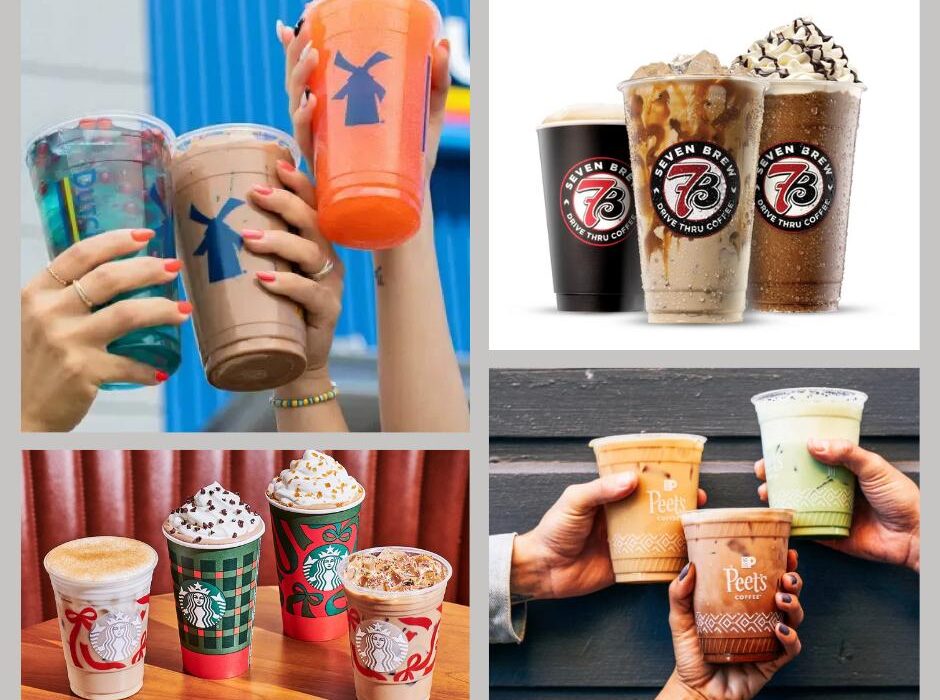
We just signed a lease with Starbucks for a new drive-thru in Nevada. Given the recent headlines—store closures, “Project Bloom,” portfolio resets—that sentence hits differently than it would have even a month ago.

Why Green-Light This Store Now?

Starbucks is undergoing a strategic reorganization. The company plans to operate about 18,300 locations across the U.S. and Canada by the end of FY-2025, modernize over 1,000 cafes, and resume net expansion in FY-2026. They are refining their portfolio by closing underperforming stores and reinvesting in areas where units can truly thrive.

As operators and developers, we’ve experienced this cycle across banners: growth, friction, course correction, and sustained expansion, when the fundamentals align.

So why move forward now? Because conviction isn’t about ignoring headlines; it’s about recognizing which ones matter. Closures create noise. Unit economics in the right locations generate returns.

What Makes This Site Work

The Nevada location hits every mark that distinguishes top performers from closures.

Drive-thru geometry. The queue capacity is for 10 vehicles with optimized flow, ensuring no choking at peak hours.

Trade area strength. Positioned in the Industrial Center with proven day-part demand.

Operational alignment. Prototype designed for current digital ordering patterns, not legacy formats from five years ago.

Long-term infrastructure. Built for Day 1 performance and Year 10 returns.

Turnarounds happen through improving throughput, labor choreography, digital ordering that aligns with the line, and site plans that move cars efficiently without causing queues. When these areas are optimized, performance naturally improves.

The Competitive Reality

Competition in coffee is more intense than ever. Drive-thru-first concepts—especially those originating in the West—are expanding rapidly with small footprints and quick service. Many will become strong regional players; a few will rise as national category leaders.

That pressure is healthy. It keeps legacy brands honest and rising brands disciplined. The market rewards operators who match strong concepts with suitable sites.

Our Development Philosophy

We’ve developed real estate and operated restaurants across cycles. The lesson is clear: brands win when operations and real estate are aligned.

Starbucks still has deep brand recognition, a massive customer base, and a capital plan to invest in its fleet, advantages that compound when paired with sites that work from day one and year ten.

At LRE, we help teams scale the right way: from prototype to parcel fit, ingress/egress engineering, queue management, co-tenancy strategy, and the hundreds of small decisions that add up to a strong P&L.

What This Means for QSR Brands

If you’re scaling a QSR or fast-casual concept, the competitive landscape requires partners who understand unit economics from both operational and real estate perspectives.

Crowded category? Absolutely. That’s the point. In coffee, fast-casual, and quick-service, execution is key. Place still matters.

And we’re building accordingly.

CategoriesNews & Blog

Team Spotlight with Pardip Singh: A Journey from Ice Cream Entrepreneur to Construction Professional

Getting to know the people behind LRE & Co’s success

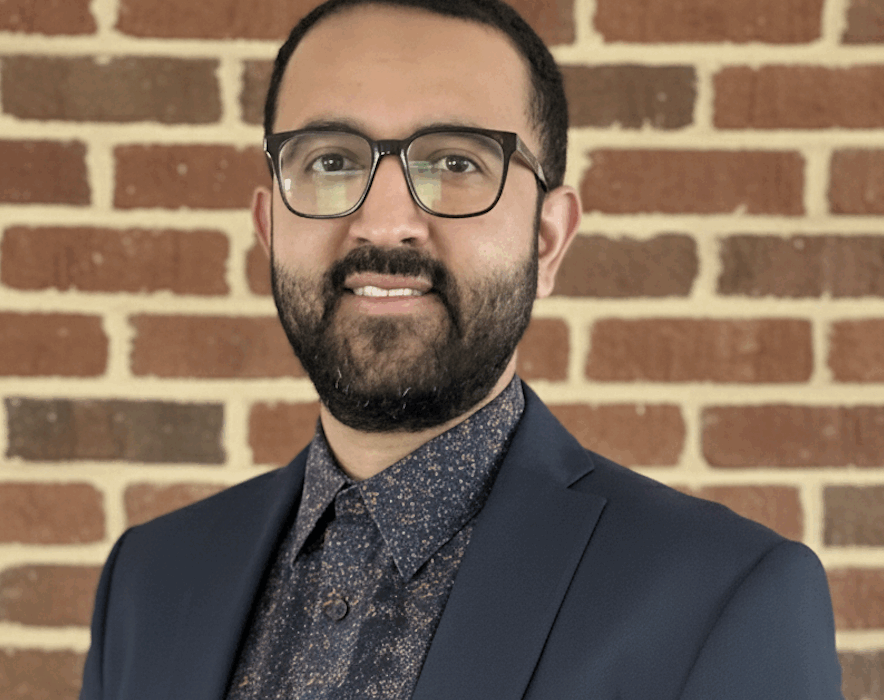
At LRE & Co, our team members come from diverse backgrounds and bring unique perspectives that propel our projects forward. Today, we’re sitting down with one of our valued team members, Pardip Singh, who joined us in July 2025, bringing an unconventional path to construction and a passion for solving complex challenges.

An Unexpected Journey

Not everyone discovers their calling in construction immediately. Before entering the industry, Pardip tried different careers—from managing meat markets and sandwich shops to property maintenance and even running an ice cream truck business.

I used to be a professional ice cream man with my own truck before the recession,” he shares with a laugh. “My parents had been ice cream vendors since the ’90s, but they encouraged me to focus on my education. Most people think I’m joking when I tell them that story!”

Born in India and moving to America in 1995, he eventually secured a small business and property management role that led to construction. “I had never thought this industry would motivate me like it has with all the challenges it presents,” he reflects. “My career path was more aligned with franchise and business management, but construction caught my interest in a way I hadn’t expected.”

Finding Home at LRE & Co

The journey to LRE & Co started with a referral from a mutual contact in February, and the timing finally came together in May. “One sit-down with Akki and Victor, and I knew this was where I wanted to contribute to the vision they both had,” he explains.

Now, his typical day includes project design and plan review, contractor coordination, bid and budget management, endless phone calls, and Teams meetings—the essential rhythm that keeps projects moving forward.

Turning Challenges into Triumphs

When asked about the most challenging projects he’s handled, two stand out: “My first construction job, where we built and opened a hotel during COVID, and a public works school restroom project where everything was wrong.” Despite the obstacles, he successfully managed to redesign the units, get approval from DSA, and reopen before students returned from summer break—forging a strong example of his problem-solving skills and determination.

What motivates him? “The design process introduces me to individuals and knowledge that help me grow as a professional and person.” His background in business operations gives him a unique advantage: “I can visualize the day-to-day challenges tenants or management operations may face and provide solutions for commercial developments.”

Wisdom and Philosophy

One piece of advice has stayed with him throughout his career. When he was just starting as a general manager with a staff of over 25 employees, his uncle—whose company sometimes employed more than 3,500 people—told him: “Anyone can manage a business; managing people is the hardest thing to do.”

“I always think about that,” he says. “It applies to everything, not just managing a business.”

For those just starting their careers, he offers this advice: “It’s okay to not know what you want to be in five years. Just take time to observe and listen to your peers. It will eventually show you where you can be if you apply yourself.”

Life Beyond the Office

When he’s not coordinating projects and reviewing plans, you’ll find him spending quality time with his wife and son, taking day trips to local spots, and cheering for the 49ers. His ideal weekend? “Taking a nap on the couch if my wife lets me,” he admits with humor.

A self-described night owl, he starts his day with an iced dirty chai and approaches life with the same dedication he shows at work. “Being the best role model and person I can be for my son and husband, for my wife”—that’s what motivates him outside the office.

The LRE & Co Difference

What excites him most about LRE & Co? “The vision of ownership and projects in our pipeline has no ceiling,” he says enthusiastically.

When asked about working with the team, his response says a lot about the company culture: “There’s always guidance and support whenever any of us need it.”

At LRE & Co, we believe our strength lies in the diverse experiences and perspectives our team members bring to every project.


Housing Crisis
CategoriesNews & Blog

California’s Housing Crisis: The Hidden Commercial Real Estate Consequence

California’s housing crisis has made headlines for years. Still, its significant ripple effect on commercial real estate often goes unnoticed, altering perceptions of property investment, urban planning, and economic growth throughout the state.

The Workforce Migration Problem

The connection is simple but often missed: when employees can’t afford to live near their jobs, commercial real estate declines. We’re seeing a significant outmigration of middle-income workers from California’s big metro areas, especially the Bay Area and Los Angeles. These aren’t just numbers; they include teachers, nurses, retail managers, and skilled tradespeople who form the backbone of our local economies.

This migration creates a paradox for commercial landlords and investors. Class A office buildings in prime locations struggle to maintain occupancy, not because companies don’t want the space, but because they can’t staff their offices. I’ve seen firsthand how businesses are forced to choose between premium locations and accessible ones, often opting for secondary markets where their employees can afford to live.

The Adaptive Reuse Opportunity

However, a crisis sparks innovation. The housing shortage is boosting one of the most exciting trends in commercial real estate: adaptive reuse conversions. Outdated office buildings and underperforming retail centers are increasingly being turned into residential units. Although regulatory hurdles still pose a challenge, California’s building codes weren’t designed for such conversions, but forward-thinking developers are finding ways to overcome these obstacles.

These projects serve dual purposes: addressing the housing shortage while revitalizing struggling commercial buildings. The key is identifying properties with the right fundamentals: adequate ceiling heights, access to natural light, and locations with existing infrastructure.

Retail’s Transformation

The housing crisis is also changing retail real estate. As residential density increases in city centers, often due to required affordable housing projects, we’re seeing a rise in demand for neighborhood-focused retail. Mixed-use developments that combine housing with ground-floor commercial spaces are becoming common, creating walkable communities that cut down on commute times and boost quality of life.

Savvy investors are focusing on emerging neighborhoods with active housing development, expecting increased retail and service demand that comes with residential growth.

The Policy Wildcard

Sacramento’s legislative responses to the housing crisis, like SB 9’s lot-splitting rules and density bonus programs, are fundamentally changing land use economics. Commercial property owners now need to evaluate their holdings from a residential angle, considering whether switching to housing development could provide better returns.

Looking Forward

The intersection of California’s housing crisis and commercial real estate is not temporary; it signals a fundamental shift that demands strategic adaptation. Success will go to those who understand that housing affordability is not just a social issue; it’s a commercial real estate concern with tangible effects on asset values, tenant demand, and investment returns.

The question isn’t whether the housing crisis will continue to affect commercial real estate, but whether we’re ready to change our strategies accordingly.

Connect with LRE & Companies: For development opportunities, partnerships, or to share market insights, contact me at akkip@letapgroup.com or (415) 491-1500.

Folsom Ranch
CategoriesNews & Blog

Healthcare Expansion at Folsom Ranch: A Growing Hub for Medical Excellence

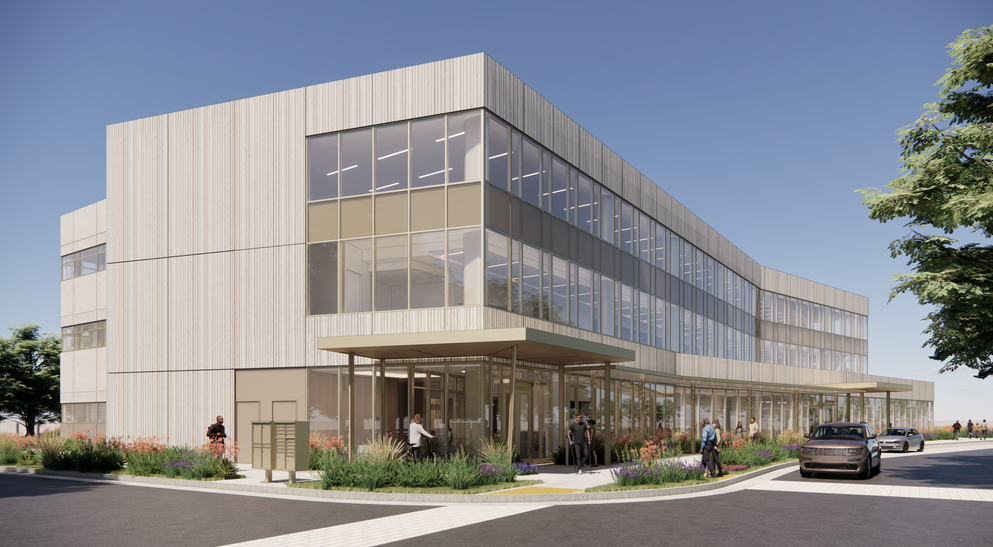
Folsom Ranch continues to strengthen its position as one of the Sacramento area’s top mixed-use developments, and the recent announcement of Dignity Health’s $123 million Advanced Ambulatory Care Center marks a significant milestone for the community. Scheduled to break ground this October at the corner of Alder Creek Parkway and McCarthy Way, this 90,000-square-foot facility is more than just another building project — it signifies Folsom Ranch’s rise as a healthcare hub.

A Strategic Healthcare Investment

The Dignity Health center will provide comprehensive outpatient services all in one location, including outpatient surgery, advanced imaging, urgent care, and multiple specialty services such as orthopedics, gynecology, urology, and more. Featuring integrated telehealth options and home-monitoring technology, the facility is built for the modern patient who values convenience without sacrificing quality care.

Opening in summer 2027, the center will employ hundreds of staff and represents phase one of what could eventually become a full medical campus, potentially including an acute care hospital and additional medical office buildings as the community expands.

LRE & Co: Building a Thriving Community

At LRE & Co, we are proud to be developing Folsom Ranch alongside partners who share our vision of creating a lively, full-service community. We have already secured exceptional tenants that meet the diverse needs of Folsom’s growing population.

  • Circle K (Parcel 1) – Providing essential gas station services
  • Dutch Bros (Parcel 2) – Bringing energy and community gathering space
  • The Learning Experience (Parcel 7) – Supporting families with quality childcare
  • Tesla (Parcel 10) – Advancing sustainable transportation infrastructure

These commitments demonstrate strong market confidence in Folsom Ranch, and Dignity Health’s significant investment further confirms the area’s impressive growth path.

Expanding Our Healthcare Focus

The success at Folsom Ranch has strengthened our dedication to developing healthcare-focused projects across the region. Seeing Dignity Health’s significant investment and the high demand for accessible, quality care in expanding communities has motivated LRE & Co to actively seek healthcare tenants for our broader portfolio of developments.

We recognize the unique needs of healthcare providers—strategic locations in high-growth areas, modern facilities, plenty of parking, and proximity to complementary services. The Folsom Ranch model shows how combining healthcare with retail, dining, and essential services helps create thriving communities where residents can truly live, work, and receive care close to home.

The Future is Here

Folsom Ranch signifies more than just rapid growth—it’s about thoughtful development that anticipates community needs. As we progress with projects across the Sacramento area, we’re looking for healthcare partners who share our vision of accessible, patient-focused care in vibrant, expanding communities.

For healthcare companies interested in exploring opportunities across LRE & Co. ‘s portfolio of developments, please get in touch with us today to discuss how we can support your expansion goals.

Get in touch

phone

(415) 491 – 1500

4302 Redwood Hwy Suite 200

San Rafael, CA 94903

email

info@lrecompanies.com

Get in touch

phone

(415) 491 – 1500

4302 Redwood Hwy Suite 200

San Rafael, CA 94903

email

info@lrecompanies.com

about us

The LRE & Co is a family organization that has been in real estate development, construction and the food and beverage businesses since 1999. It has been present in major markets throughout northern California and northwest Nevada.

Newsletter

Get latest news & update

© 1999 – lrecompanies.com. All rights reserved.