
CategoriesNews & Blog

The Wrong Side of Town: Why National Brands Keep Missing the Mark on Location Strategy

I see it every time I drive through our markets. A national chain opens in what looks like a prime location on paper: strong demographics, high traffic counts, and proximity to a Walmart or Target anchor. Six months later, they’re struggling. Meanwhile, three miles away in a neighborhood that doesn’t fit their “model,” a competitor is thriving.

This isn’t about market research failing. It’s about something more fundamental: national brands and their site selection teams often don’t grasp the nuances of local markets when expanding. I’m not taking anything away from brokers or real estate representatives; they work within the parameters they’re given. But those parameters are frequently wrong.

The Anchor Trap

Everyone wants the Walmart or Target anchor. It’s become almost reflexive in retail site selection. High traffic, an established draw, and a built-in customer base. What’s not to love?

Except when it’s completely wrong for your brand.

Here’s what we’ve observed while developing and operating retail projects across multiple markets: traffic patterns matter more than traffic counts. A location might see 40,000 cars per day, but if those drivers are in a hurry to get somewhere else, or if your target customer doesn’t shop where your anchor draws from, those numbers are meaningless.

I’ve watched premium fast-casual concepts place locations near big-box anchors that attract price-conscious shoppers. The demographic data looked perfect, but the shopping behavior was all wrong. Those customers came to save money at the anchor, not spend $15 on lunch. Meanwhile, the same brand could have succeeded two miles away in an area with slightly lower household incomes but different spending patterns and daytime populations.

The Right Side vs. The Wrong Side

Every market has invisible lines that locals understand instinctively, but that spreadsheets can’t capture. Which side of the highway do people prefer? Which neighborhoods do they avoid, even if demographics suggest they shouldn’t? Where do they actually spend their discretionary income?

In one of our Southern California markets, there’s a clear dividing line, literally a major boulevard. The demographics are nearly identical on both sides. But residents on one side rarely cross over for retail, while those on the other side draw from everywhere. No amount of traffic studies would reveal this without local knowledge.

We’ve seen national brands place locations on the “wrong” side and wonder why they can’t meet projections. From our perspective as developers who live in these markets, the answer was obvious before they opened. But it wasn’t obvious to a site selection team working from corporate headquarters three states away.

The Future Expansion Mistake

Here’s where it gets even more expensive: poor location strategy doesn’t just hurt today’s store; it kills tomorrow’s expansion opportunities.

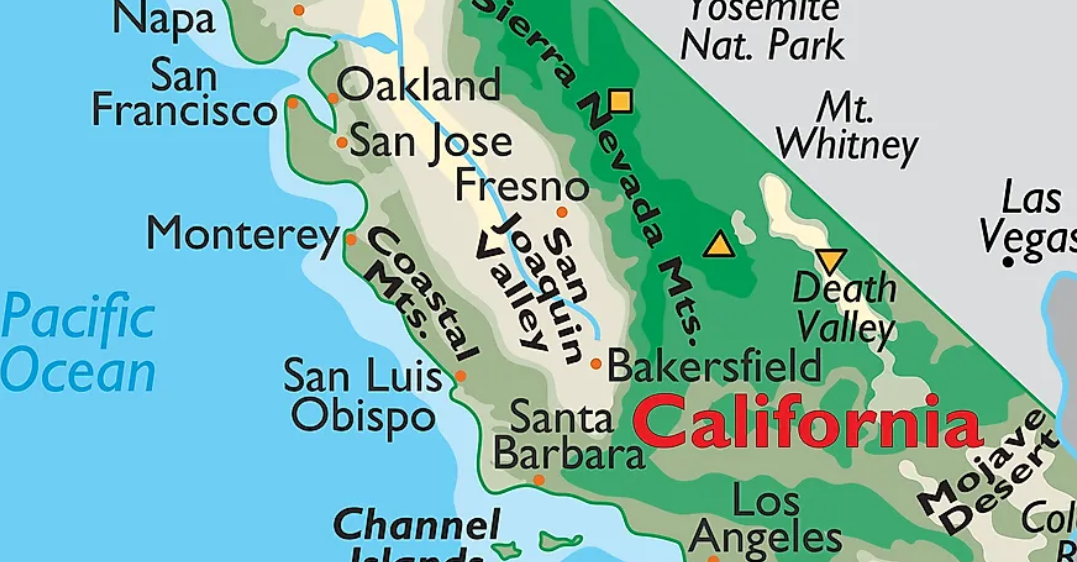
When a brand enters a market in the wrong location and underperforms, they don’t blame the site selection. They blame the market. “We tried Sacramento, it didn’t work for us.” Or Fresno. Or Bakersfield. So, they write off the entire region, even though the right location could have been wildly successful.

We see this repeatedly. A national restaurant chain opens its first location in a market based on conventional wisdom, near the regional mall, next to the recognizable anchors, on the “retail corridor” everyone knows. It underperforms. They close it and never return. Five years later, a competitor opens a location in the neighborhood commercial center, three miles away, and runs a waiting list.

The first brand didn’t fail because the market was wrong. They failed because they didn’t understand how that specific market works.

What Developers See That Others Don’t

As developers and operators, we live in these markets. We see where people actually go. We understand traffic patterns on Tuesday afternoons and Saturday mornings. We know which neighborhoods are growing and which are stagnant, which communities have disposable income and which are house-rich but cash-poor.

This isn’t mystical insight; it’s pattern recognition from being present. We see how existing businesses perform. We notice when certain areas stay busy while others sit empty. We understand the subtle differences between submarkets that look identical in demographic reports.

When we’re developing a project, we’re not just placing tenants in spaces. We’re thinking about how each brand will actually perform in that specific location, with those specific neighbors and that specific customer base. We’re considering not just who lives nearby, but also who works nearby, who drives by, and who already has a reason to be in the area.

The Spreadsheet Problem

The fundamental issue is that modern site selection has become too dependent on data that doesn’t capture reality. Traffic counts, demographic rings, and competitor mapping are useful tools. But they’re being used as answers when they should be questions.

A location might check every box in the site selection model and still be wrong. The demographics are right, but the psychographics are off. The traffic is there, but the sightlines are poor. The anchor draws customers, but they’re not your customers. The rent is reasonable, but only because everyone who knows the market knows it’s a challenging location.

We’ve learned that understanding a market means understanding layers that spreadsheets can’t capture. It means knowing that in this city, people won’t cross the freeway for retail. In this neighborhood, they prefer local concepts to chains. In this submarket, the customer base is limited to specific categories. These insights come from experience, presence, and actually operating in these markets.

A Different Approach

The most successful national brands we’ve worked with partner with local developers and operators who know the market intimately. They bring operational expertise and brand power, but they trust local knowledge for site selection.

They’re willing to hear “that location won’t work, but this one will” even when it contradicts their model. They understand that success in Denver doesn’t guarantee the same approach will work in Riverside. They’re patient enough to wait for the right opportunity rather than settle for a mediocre location.

These brands enter markets strategically. They establish strong positions in locations that work. They build customer bases. They create success that enables expansion rather than failure that prevents it.

The Bottom Line

Real estate remains a local business, even for national brands. The sooner companies recognize this, the fewer costly mistakes they’ll make.

The right location in the wrong part of town isn’t the right location. Perfect demographics with the wrong traffic pattern won’t save a store. And failing in a market because of poor selection doesn’t mean the market is bad; it means your selection process needs improvement.

As developers and operators, we’ve learned these lessons by seeing them play out repeatedly. The question is whether expanding brands will learn from them before repeating the same costly mistakes across markets.

Real estate representatives and brokers can only work with what they’re given. It’s time for brands to provide them with better parameters, ones that recognize that understanding local markets requires more than data. It requires presence, experience, and a willingness to trust that the “wrong” side of town might actually be exactly right.
 

CategoriesNews & Blog

Site Selection Science: What Makes a Perfect Location for Quick-Service Restaurants

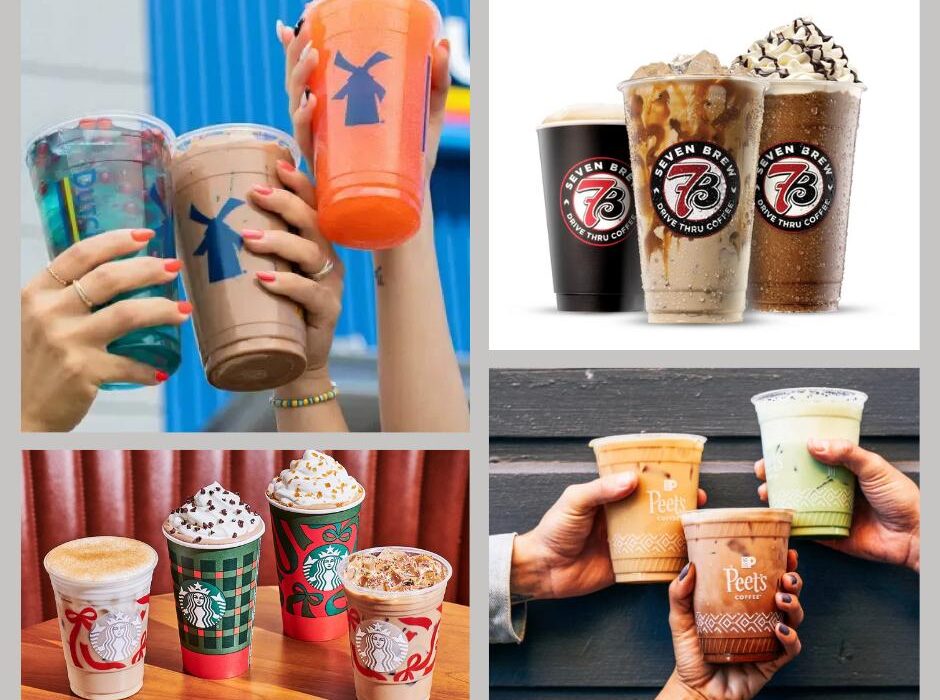
In the quick-service restaurant industry, location isn’t just important; it’s everything. I’ve spent years working with brands like Dutch Bros, Starbucks, and Habit Burger, and I can tell you that the difference between a thriving location and an underperforming one often comes down to the science of site selection. Today’s most successful QSR brands don’t rely solely on gut feelings or basic demographics. They use sophisticated analytical frameworks that turn location selection from an art into a precise science.

The Foundation: Traffic Patterns and Accessibility

When evaluating potential drive-thru locations, traffic count is the most fundamental metric, but it’s far from the only consideration. We also look at average daily traffic (ADT) on adjacent roadways, typically seeking locations with 20,000 to 40,000 vehicles per day for most QSR concepts. However, raw numbers tell only part of the story.

Directional flow matters greatly. A site on the “going home” side of a major commuter route typically outperforms an identical location on the opposite side, especially for morning coffee concepts such as Dutch Bros and Starbucks. We analyze morning versus evening traffic patterns, recognizing that a site may see 60% of its traffic during the morning commute and capture a disproportionate share of revenue during those peak hours.

Ingress and egress, how easily customers can enter and exit the property, can make or break a location. The ideal site offers right-in, right-out access at a minimum, with left-turn access being highly desirable. We evaluate sight lines, median breaks, and traffic signal timing. A location that requires customers to make difficult turns or navigate confusing access points will see significant transaction loss, regardless of how strong other metrics appear.

Demographics: Beyond the Basics

While traditional demographics such as population density and household income remain important, modern site selection goes much deeper. For drive-thru concepts, we analyze daytime population, the number of people who work in the trade area versus those who live there. A location near office parks might have low residential density but enormous daytime traffic from employees seeking convenient meal options.

Psychographics are equally crucial. We analyze lifestyle segmentation data to understand consumer behaviors, preferences, and spending patterns. A Habit Burger location performs best in areas where residents value quality ingredients and are willing to pay premium prices for better-burger concepts. Dutch Bros thrives in communities with younger demographics who appreciate the brand’s energetic culture and beverage customization.

Technology now allows us to analyze mobile device data to understand actual movement patterns, dwell times, and cross-shopping behaviors. This reveals where potential customers spend their time, which competing restaurants they visit, and what their daily routines look like.

The Competitive Landscape

Understanding competition requires both macro- and micro-level analysis. We map all QSR locations within a trade area, paying special attention to direct competitors and complementary concepts. A Starbucks location might benefit from proximity to other coffee shops if the area demonstrates sufficient demand, while too many burger concepts in a tight radius could cannibalize a Habit Burger’s potential.

We also assess cannibalization risk for brands with multiple locations. Using sophisticated gravity models, we can predict how a new location might affect existing stores within the brand’s portfolio. The goal isn’t merely to avoid cannibalization but to optimize the network effect, in which multiple locations increase brand awareness and accessibility without significantly affecting individual store performance.

Site-Specific Characteristics

The physical attributes of a property significantly impact operational success. Drive-thru configuration is paramount; we evaluate queue capacity, menu board placement, bypass lane feasibility, and whether the design accommodates mobile order pickup lanes, which have become essential post-pandemic.

Parcel size and shape matter greatly. Most drive-thru concepts require a minimum of 0.5 to 1 acre, with specific frontage requirements. Corner locations often command premiums due to their visibility and accessibility advantages. We assess utility availability, grade and drainage, environmental constraints, and zoning compliance, as any of these factors can derail a project or dramatically inflate development costs.

The Financial Equation

Ultimately, every site selection decision is a financial one. We build detailed pro formas that project revenue based on traffic patterns, demographics, competitive dynamics, and model occupancy costs, development expenses, and operational considerations. The goal is to identify locations where unit economics support strong returns on investment.

Rent as a percentage of sales is a critical metric; most QSR concepts target 6-8% of gross sales for occupancy costs. We also evaluate lease terms, tenant improvement allowances, and exclusivity provisions that protect the brand’s long-term interests.

The science of site selection integrates data analytics, real estate expertise, and operational understanding. When executed properly, it transforms location selection from educated guesswork into a strategic advantage that drives sustainable growth and profitability for quick-service restaurant brands.


CategoriesNews & Blog

Coffee Is Crowded. Execution Wins.

We just signed a lease with Starbucks for a new drive-thru in Nevada. Given the recent headlines—store closures, “Project Bloom,” portfolio resets—that sentence hits differently than it would have even a month ago.

Why Green-Light This Store Now?

Starbucks is undergoing a strategic reorganization. The company plans to operate about 18,300 locations across the U.S. and Canada by the end of FY-2025, modernize over 1,000 cafes, and resume net expansion in FY-2026. They are refining their portfolio by closing underperforming stores and reinvesting in areas where units can truly thrive.

As operators and developers, we’ve experienced this cycle across banners: growth, friction, course correction, and sustained expansion, when the fundamentals align.

So why move forward now? Because conviction isn’t about ignoring headlines; it’s about recognizing which ones matter. Closures create noise. Unit economics in the right locations generate returns.

What Makes This Site Work

The Nevada location hits every mark that distinguishes top performers from closures.

Drive-thru geometry. The queue capacity is for 10 vehicles with optimized flow, ensuring no choking at peak hours.

Trade area strength. Positioned in the Industrial Center with proven day-part demand.

Operational alignment. Prototype designed for current digital ordering patterns, not legacy formats from five years ago.

Long-term infrastructure. Built for Day 1 performance and Year 10 returns.

Turnarounds happen through improving throughput, labor choreography, digital ordering that aligns with the line, and site plans that move cars efficiently without causing queues. When these areas are optimized, performance naturally improves.

The Competitive Reality

Competition in coffee is more intense than ever. Drive-thru-first concepts—especially those originating in the West—are expanding rapidly with small footprints and quick service. Many will become strong regional players; a few will rise as national category leaders.

That pressure is healthy. It keeps legacy brands honest and rising brands disciplined. The market rewards operators who match strong concepts with suitable sites.

Our Development Philosophy

We’ve developed real estate and operated restaurants across cycles. The lesson is clear: brands win when operations and real estate are aligned.

Starbucks still has deep brand recognition, a massive customer base, and a capital plan to invest in its fleet, advantages that compound when paired with sites that work from day one and year ten.

At LRE, we help teams scale the right way: from prototype to parcel fit, ingress/egress engineering, queue management, co-tenancy strategy, and the hundreds of small decisions that add up to a strong P&L.

What This Means for QSR Brands

If you’re scaling a QSR or fast-casual concept, the competitive landscape requires partners who understand unit economics from both operational and real estate perspectives.

Crowded category? Absolutely. That’s the point. In coffee, fast-casual, and quick-service, execution is key. Place still matters.

And we’re building accordingly.

Get in touch

phone

(415) 491 – 1500

4302 Redwood Hwy Suite 200

San Rafael, CA 94903

email

info@lrecompanies.com

Get in touch

phone

(415) 491 – 1500

4302 Redwood Hwy Suite 200

San Rafael, CA 94903

email

info@lrecompanies.com

about us

The LRE & Co is a family organization that has been in real estate development, construction and the food and beverage businesses since 1999. It has been present in major markets throughout northern California and northwest Nevada.

Newsletter

Get latest news & update

© 1999 – lrecompanies.com. All rights reserved.