

Beyond Profit: How Real Estate Developers Can Serve Their Communities
CategoriesNews & Blog

Beyond Profit: How Real Estate Developers Can Serve Their Communities

In an industry often driven by bottom lines and profit margins, there’s a growing recognition that real estate development bears a deeper responsibility. As developers, we don’t just build structures; we shape neighborhoods, influence local economies, and directly impact the daily lives of the people who call these communities home. The question isn’t whether we should give back, but rather how we can integrate community service into the very fabric of our business model.

I’ve always believed that as a company grows, so should its commitment to the community. Success shouldn’t be measured solely by square footage developed or deals closed, but by the positive impact we leave behind. When we expand our operations, we must also expand our dedication to serving the people and places that enable that growth.

Building More Than Buildings

Real estate development is fundamentally community-centered work. Every project we take on becomes part of a neighborhood’s identity and infrastructure. This offers a unique opportunity, and responsibility, to look beyond individual properties and consider the larger ecosystem we’re helping to shape.

Innovative developers understand that thriving communities foster sustainable business environments. When we invest in the people and places around our projects, we’re not just acting philanthropically; we’re creating conditions for long-term success. A vibrant, well-supported community attracts quality tenants, maintains property values, and builds a positive reputation that makes future projects more feasible.

Scaling Impact with Growth

As development companies grow, the temptation is often to focus only on expanding operations, taking on more projects, landing bigger deals, and expanding into a broader geographic scope. However, growth offers an even more powerful opportunity: the chance to increase our community impact equally.

A one-person operation might sponsor a local Little League team. A growing firm should consider affordable housing initiatives, workforce development programs, or infrastructure improvements that benefit entire neighborhoods. As our resources grow, so should our vision for community service.

This scaling of commitment serves multiple purposes. It demonstrates to stakeholders—from investors to local governments—that we’re dedicated to sustainable, responsible growth. It helps foster community relationships that facilitate future development. Most importantly, it ensures that the communities supporting our success share in that prosperity.

Practical Ways to Serve

Community service in real estate development takes many forms. It might involve including affordable housing units in market-rate projects, even if not mandated by law. It could also mean partnering with local organizations to provide job training for community members and ensure they have opportunities to participate in construction and property management.

Some developers focus on environmental stewardship by implementing green building practices that lower community-wide energy costs and improve air quality. Others invest in public spaces, such as parks, community centers, or pedestrian infrastructure, that boost quality of life beyond their property boundaries.

The key is finding alignment between community needs and your company’s capabilities. A developer with expertise in commercial real estate might support local small-business incubators. Those focused on residential development might create programs to help first-time homebuyers navigate the process.

The Ripple Effect

When developers focus on community service, it sparks a ripple effect across the industry. It challenges the idea that maximizing profit and supporting communities are mutually exclusive. It attracts talent—both employees and partners—who want to work for companies that prioritize values beyond the bottom line.

Furthermore, it alters how communities perceive development. Instead of viewing developers as exploitative forces that benefit from neighborhoods without giving back, communities start to see us as partners in mutual growth. This change in view can transform the development process, turning potential opponents into allies and paving the way for successful projects.

Growing Responsibility

The real estate industry influences the physical and social fabric of our communities in significant ways. With that influence comes responsibility, one that should grow along with our success. As we grow our businesses, we must also strengthen our commitments to the communities that enable that success.

This isn’t about charity or public relations. It’s about understanding that our industry’s long-term success depends on the well-being of the communities we serve. When we invest in those communities as intentionally as we invest in properties, everyone gains. That’s not just good ethics, it’s good business.

The question for every growing development company should be: Are we serving our communities as ambitiously as we’re striving for our growth targets? If the answer is no, it’s time to reassess our definition of success.
 

CategoriesNews & Blog

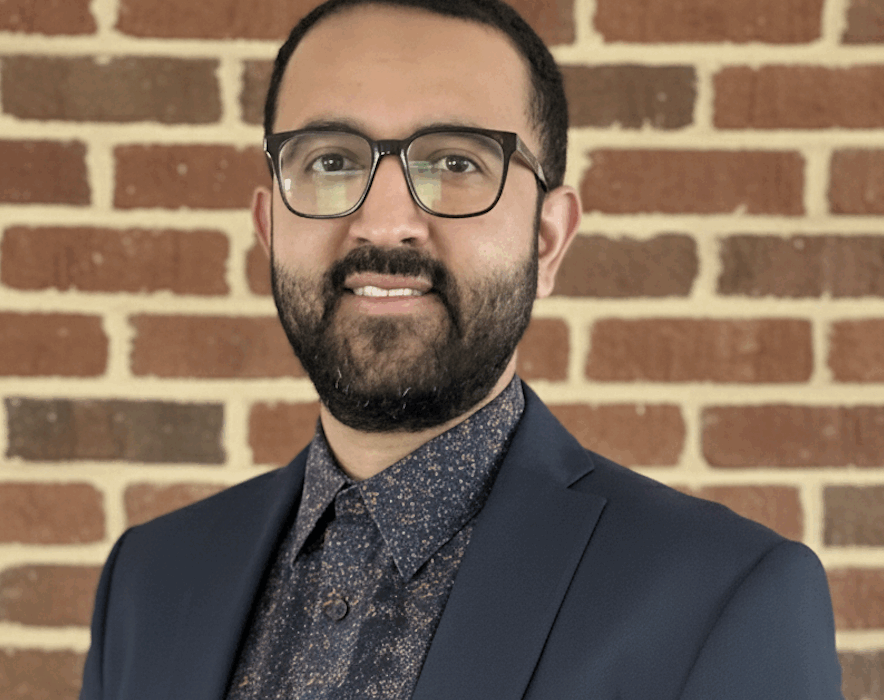
Team Spotlight with Pardip Singh: A Journey from Ice Cream Entrepreneur to Construction Professional

Getting to know the people behind LRE & Co’s success

At LRE & Co, our team members come from diverse backgrounds and bring unique perspectives that propel our projects forward. Today, we’re sitting down with one of our valued team members, Pardip Singh, who joined us in July 2025, bringing an unconventional path to construction and a passion for solving complex challenges.

An Unexpected Journey

Not everyone discovers their calling in construction immediately. Before entering the industry, Pardip tried different careers—from managing meat markets and sandwich shops to property maintenance and even running an ice cream truck business.

I used to be a professional ice cream man with my own truck before the recession,” he shares with a laugh. “My parents had been ice cream vendors since the ’90s, but they encouraged me to focus on my education. Most people think I’m joking when I tell them that story!”

Born in India and moving to America in 1995, he eventually secured a small business and property management role that led to construction. “I had never thought this industry would motivate me like it has with all the challenges it presents,” he reflects. “My career path was more aligned with franchise and business management, but construction caught my interest in a way I hadn’t expected.”

Finding Home at LRE & Co

The journey to LRE & Co started with a referral from a mutual contact in February, and the timing finally came together in May. “One sit-down with Akki and Victor, and I knew this was where I wanted to contribute to the vision they both had,” he explains.

Now, his typical day includes project design and plan review, contractor coordination, bid and budget management, endless phone calls, and Teams meetings—the essential rhythm that keeps projects moving forward.

Turning Challenges into Triumphs

When asked about the most challenging projects he’s handled, two stand out: “My first construction job, where we built and opened a hotel during COVID, and a public works school restroom project where everything was wrong.” Despite the obstacles, he successfully managed to redesign the units, get approval from DSA, and reopen before students returned from summer break—forging a strong example of his problem-solving skills and determination.

What motivates him? “The design process introduces me to individuals and knowledge that help me grow as a professional and person.” His background in business operations gives him a unique advantage: “I can visualize the day-to-day challenges tenants or management operations may face and provide solutions for commercial developments.”

Wisdom and Philosophy

One piece of advice has stayed with him throughout his career. When he was just starting as a general manager with a staff of over 25 employees, his uncle—whose company sometimes employed more than 3,500 people—told him: “Anyone can manage a business; managing people is the hardest thing to do.”

“I always think about that,” he says. “It applies to everything, not just managing a business.”

For those just starting their careers, he offers this advice: “It’s okay to not know what you want to be in five years. Just take time to observe and listen to your peers. It will eventually show you where you can be if you apply yourself.”

Life Beyond the Office

When he’s not coordinating projects and reviewing plans, you’ll find him spending quality time with his wife and son, taking day trips to local spots, and cheering for the 49ers. His ideal weekend? “Taking a nap on the couch if my wife lets me,” he admits with humor.

A self-described night owl, he starts his day with an iced dirty chai and approaches life with the same dedication he shows at work. “Being the best role model and person I can be for my son and husband, for my wife”—that’s what motivates him outside the office.

The LRE & Co Difference

What excites him most about LRE & Co? “The vision of ownership and projects in our pipeline has no ceiling,” he says enthusiastically.

When asked about working with the team, his response says a lot about the company culture: “There’s always guidance and support whenever any of us need it.”

At LRE & Co, we believe our strength lies in the diverse experiences and perspectives our team members bring to every project.


Integrating Hospitality with Retail
CategoriesNews & Blog

Mixed-Use Development Spotlight: Integrating Hospitality with Retail

In today’s competitive real estate market, the most successful developments create ecosystems where each component enhances the value of the others. At LRE & Companies, we’ve seen firsthand how carefully combining hospitality properties with retail and dining experiences creates strong synergies that benefit developers, tenants, and communities alike.

The Evolution of Mixed-Use Development

Today’s travelers and residents seek convenience, variety, and curated experiences all within walking distance. This shift has fundamentally transformed commercial real estate development, particularly when combined with branded hotel properties and retail and restaurant components.

The integration of premium hotel brands, such as Marriott, Hyatt, and Hilton, within mixed-use developments creates an immediate halo effect. These globally recognized brands bring instant credibility, consistent quality standards, and built-in customer loyalty programs that drive traffic to the entire development. When paired strategically with complementary retail and dining options, the result is a destination serving both travelers and the local community.

University Square: A Case Study in Integration

Our University Square project in Rocklin, California, exemplifies thoughtful mixed-use development. This 10-acre development at Sunset Boulevard and University Avenue features a 123-room Hilton Garden Inn, over 20,000 square feet of retail space, quick-service restaurants with drive-thrus, a daycare center, a convenience store, and a car wash.

The strategic positioning creates natural synergies throughout the day. Business travelers at the Hilton Garden Inn have convenient access to morning coffee and quick meals from on-site QSRs. The daycare center serves both hotel guests and local residents, resulting in consistent foot traffic. The convenience store and car wash serve the broader community while also catering to hotel guests who need last-minute essentials.

Located adjacent to William Jessup University with over 3,000 students, and near the developing Sunset Area—which will house campuses for California State University, Sacramento, and Sierra College—University Square benefits from sustained demand from visiting parents, prospective students, academic conferences, and sporting events.


Why Hotel-Restaurant Integration Creates Value

Complementary Operating Hours: Hotels operate 24/7, while restaurants and retail have specific peak hours. This creates a natural traffic flow throughout the day, with hotel guests providing off-peak business for restaurants while diners discover the hotel’s amenities.

Shared Infrastructure: Mixed-use developments offer shared parking, utilities, and common areas, thereby reducing the per-square-foot costs for all tenants. Major hotel brands often justify premium finishes throughout their developments, which might not be economically feasible in standalone retail projects.

Enhanced Financing and Leasing: Nationally recognized hotel brands instill confidence in lenders and retail tenants. Banks view developments anchored by Marriott, Hilton, or Hyatt properties as lower-risk investments, often resulting in more favorable financing terms.

Resilience Through Diversification: Mixed-use developments with hospitality components demonstrate greater resilience during economic downturns. While some sectors may soften, others often compensate for the loss.

Strategic Site Selection

We focus on dynamic intersections in growing markets where multiple demand generators converge. Both University Square and Roseville Junction benefit from proximity to major employers, educational institutions, and recreational amenities within the Sacramento metropolitan area.

Rocklin and Roseville are part of Placer County, one of California’s fastest-growing counties, with expanding employment bases including Oracle, UNFI, K-LOVE, and Thunder Valley Casino. The region offers proximity to Folsom Lake and downtown Sacramento and is within a reasonable driving distance of Lake Tahoe and San Francisco.

These advantages ensure our hotel and retail components benefit from both transient demand (travelers, tourists, visiting family) and local demand (residents seeking dining, entertainment, and services). This dual-demand stream is essential for creating sustainable, long-term value.

Lessons from Our Portfolio

Over the past 25 years, LRE & Companies has developed a diverse portfolio, including partnerships with prominent brands such as Marriott, Hilton, and Hyatt. Our portfolio features the AC by Marriott in downtown Sacramento, the Courtyard by Marriott in Woodland, and the H2 Suites by Hilton in Sacramento.

These partnerships have taught us that success requires more than just placing a hotel next to restaurants and retail. It calls for the thoughtful integration of guest experiences, operational coordination, and a genuine understanding of how the components complement and enhance one another.

Select-service brands, such as Courtyard by Marriott and Hilton Garden Inn, provide the right balance of amenities and service levels for mixed-use environments. They offer sophisticated revenue management systems, global distribution channels, and loyalty programs with millions of members—marketing reach that independent properties cannot replicate.

Looking Ahead

At LRE & Companies, we are dedicated to applying our extensive experience in hospitality, restaurant operations, and commercial real estate to develop mixed-use destinations that become community anchors for years to come. Our collaborations with top brands like Marriott, Hilton, and Hyatt, combined with our insight into local market trends across Northern California and beyond, enable us to deliver projects that generate lasting value for all stakeholders.

For more information about LRE & Companies’ mixed-use developments and hospitality projects, visit lrecompanies.com or contact our development team.

Dutch Bros Folsom
CategoriesNews & Blog

LRE & Co announces the leasing of property to Dutch Bros at the new Folsom development

LRE & Co is pleased to announce that Dutch Bros has signed a lease for a new build-to-suit location at 3580 E Bidwell Drive in Folsom, California. The new drive-thru coffee shop is expected to open in the second quarter of 2026.

The 986-square-foot facility will include Dutch Bros’ signature dual drive-thru lanes, capable of lining up to 20 vehicles, along with walk-up service windows to manage the anticipated high traffic at this prime Folsom location. The site has secured the necessary entitlements and is advancing through the final planning stages.

“We are excited to bring Dutch Bros to the Folsom community,” said Akki Patel, CEO at LRE & Co. “Dutch Bros has been an exceptional partner to work with and represents a best-in-class brand in the specialty coffee sector. Their demonstrated success in Northern California, combined with Folsom’s strong demographics and thriving retail environment, creates an ideal scenario for long-term success. We’re confident this location will serve as an excellent addition to the East Bidwell Drive corridor.”

As part of the build-to-suit arrangement, LRE & Co will oversee all aspects of construction for the new facility. The development team is currently finalizing the architecture and engineering contracts, with construction expected to begin after the permits are approved.

This Folsom location highlights Dutch Bros’ ongoing expansion in the Sacramento area, building on its existing presence in Northern California, which includes an open and operational location in Vallejo.

Dutch Bros is known for its energetic culture and commitment to community involvement. It is also one of the fastest-growing quick-service beverage brands in the U.S., recently surpassing the 1,000-store mark across 18 states. The company has built a loyal following through its high-quality drinks, personalized service, secret menu, and dedication to supporting local communities.

Get in touch

phone

(415) 491 – 1500

4302 Redwood Hwy Suite 200

San Rafael, CA 94903

email

info@lrecompanies.com

Get in touch

phone

(415) 491 – 1500

4302 Redwood Hwy Suite 200

San Rafael, CA 94903

email

info@lrecompanies.com

about us

The LRE & Co is a family organization that has been in real estate development, construction and the food and beverage businesses since 1999. It has been present in major markets throughout northern California and northwest Nevada.

Newsletter

Get latest news & update

© 1999 – lrecompanies.com. All rights reserved.