
CategoriesNews & Blog

The Fast-Casual Evolution: Why Premium Quick Service Restaurants Are Winning in Secondary Markets

Something remarkable is happening in California’s smaller communities. Residents are lining up, sometimes camping overnight, for premium fast-casual brands. Meanwhile, traditional quick-service restaurants (QSR’s) are struggling to generate the same excitement. The fast-casual revolution that transformed urban dining is now reshaping secondary markets, with significant implications for developers.

Beyond Burgers and Fries

The term ‘fast-casual’ doesn’t fully capture what’s driving success in these markets. These brands represent something deeper: quality without pretension, speed without sacrifice, and an experience that feels slightly elevated without being intimidating. In communities where dining options have historically been limited to traditional fast food or full-service restaurants, premium QSRs fill a gap that residents didn’t fully recognize.

The Quality Equation

Premium fast-casual brands succeed in secondary markets by solving a specific problem: residents want higher quality without sacrificing the convenience and value that make QSRs attractive. Traditional fast food serves a purpose, but it doesn’t create excitement. Full-service restaurants require time commitments that busy families and workers can’t always accommodate.

Fast-casual brands like Habit Burger offer char-grilled burgers made to order, fresh ingredients, and customizable options at price points only slightly higher than traditional competitors. The value proposition is clear: meaningfully better food for a modest premium. In markets where dining choices are limited, that difference matters enormously.

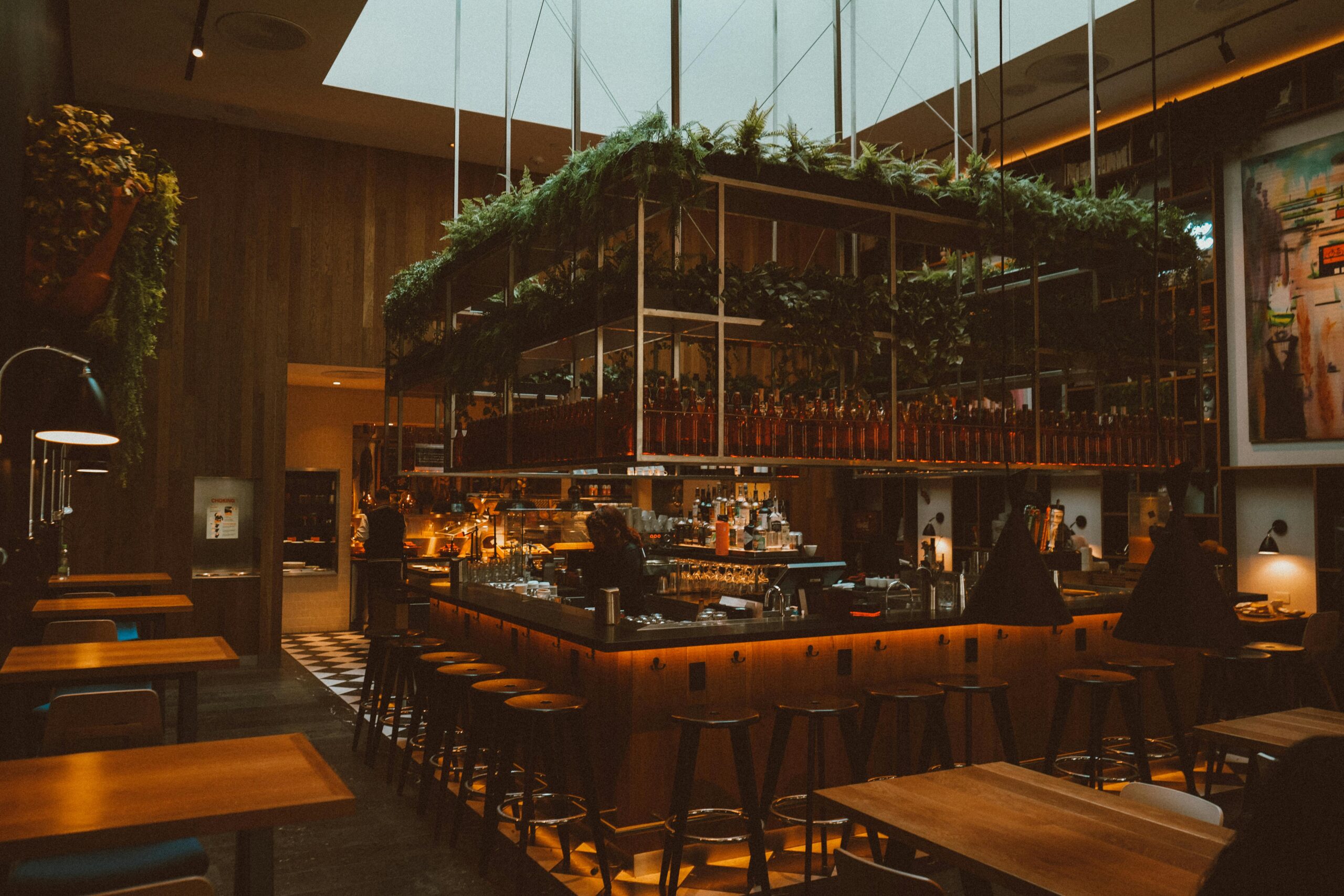
This quality focus extends beyond food to the entire experience. Cleaner dining spaces, friendlier service models, and modern aesthetics create environments where residents actually want to spend time. In smaller communities where third spaces are limited, these restaurants become gathering spots for families, remote workers, and social groups.

The Demographics of Desire

Secondary markets are changing demographically in ways that favor premium QSRs. Remote work has enabled professionals to relocate from expensive urban centers to more affordable communities. These transplants bring urban dining expectations and purchasing power to markets that previously couldn’t support elevated concepts.

At the same time, younger generations in these communities have grown up with exposure to premium brands through travel and social media. A college student from a smaller city has likely eaten at In-N-Out or Chipotle while visiting larger cities and returns home wondering why similar options don’t exist locally. When premium brands finally arrive, built-up demand creates immediate success.

Importantly, secondary markets often have older populations with disposable income and an appetite for quality dining that doesn’t require formal occasions. Fast-casual concepts appeal across generational lines in ways traditional QSRs increasingly don’t.

Economics That Work

From a development perspective, premium QSRs deliver superior economics in secondary markets. Higher average checks translate into stronger sales per square foot, supporting premium rents that traditional QSR operators can’t justify. These brands also demonstrate stronger unit-level economics; their pricing power and operational efficiency generate margins that support sustainable growth.

Labor markets in smaller communities pose challenges for any restaurant operator, but premium brands have advantages. Better working environments, slightly higher wages, and an association with quality brands help attract and retain employees. In towns where everyone knows everyone, being known as a good employer is critical to staffing stability.

The development process often favors premium brands. Sophisticated operators with proven systems and strong unit economics navigate entitlements, construction, and opening more smoothly than smaller operators. Their experience across diverse markets provides playbooks for succeeding in communities where local knowledge and relationship-building are essential.

Lessons from the Field

Our experience across Northern California’s secondary markets reveals consistent patterns. First, don’t underestimate pent-up demand. Communities that seem too small to support premium concepts often harbor years of pent-up demand among residents seeking better options. When quality brands arrive, initial performance typically exceeds optimistic projections.

Second, timing matters less than quality. Some developers hesitate to bring premium brands to secondary markets during periods of economic uncertainty. Our experience suggests that residents will pay for quality even in tighter times; in fact, they may appreciate accessible luxury more when full-service dining feels like an extravagance.

Third, community integration is crucial. Premium QSRs that succeed in secondary markets don’t just serve food, they become community fixtures. Supporting local causes, hiring locally, and understanding regional preferences build loyalty that transcends typical brand relationships.

Looking Ahead

The fast-casual evolution in secondary markets is more than a dining trend. It reflects fundamental shifts in how smaller communities view themselves and what they expect from commercial development. Smaller towns no longer accept that quality retail experiences belong exclusively to urban centers.

For developers, this creates both opportunity and responsibility. The opportunity lies in bringing proven premium brands to underserved markets where demand exceeds supply. The responsibility is to recognize that these aren’t just transactions, their investments in community evolution that residents notice, appreciate, and remember. When premium QSRs succeed in secondary markets, they don’t just generate revenue; they validate community growth and signal that better outcomes are possible.

The overnight campouts aren’t really about burgers or wings. They’re about communities celebrating their arrival in an era where quality, convenience, and local pride can coexist, and developers who understand that will find ample opportunity in California’s secondary markets for years to come. https://lrecompanies.com/news-blog/

CategoriesNews & Blog

The Wrong Side of Town: Why National Brands Keep Missing the Mark on Location Strategy

I see it every time I drive through our markets. A national chain opens in what looks like a prime location on paper: strong demographics, high traffic counts, and proximity to a Walmart or Target anchor. Six months later, they’re struggling. Meanwhile, three miles away in a neighborhood that doesn’t fit their “model,” a competitor is thriving.

This isn’t about market research failing. It’s about something more fundamental: national brands and their site selection teams often don’t grasp the nuances of local markets when expanding. I’m not taking anything away from brokers or real estate representatives; they work within the parameters they’re given. But those parameters are frequently wrong.

The Anchor Trap

Everyone wants the Walmart or Target anchor. It’s become almost reflexive in retail site selection. High traffic, an established draw, and a built-in customer base. What’s not to love?

Except when it’s completely wrong for your brand.

Here’s what we’ve observed while developing and operating retail projects across multiple markets: traffic patterns matter more than traffic counts. A location might see 40,000 cars per day, but if those drivers are in a hurry to get somewhere else, or if your target customer doesn’t shop where your anchor draws from, those numbers are meaningless.

I’ve watched premium fast-casual concepts place locations near big-box anchors that attract price-conscious shoppers. The demographic data looked perfect, but the shopping behavior was all wrong. Those customers came to save money at the anchor, not spend $15 on lunch. Meanwhile, the same brand could have succeeded two miles away in an area with slightly lower household incomes but different spending patterns and daytime populations.

The Right Side vs. The Wrong Side

Every market has invisible lines that locals understand instinctively, but that spreadsheets can’t capture. Which side of the highway do people prefer? Which neighborhoods do they avoid, even if demographics suggest they shouldn’t? Where do they actually spend their discretionary income?

In one of our Southern California markets, there’s a clear dividing line, literally a major boulevard. The demographics are nearly identical on both sides. But residents on one side rarely cross over for retail, while those on the other side draw from everywhere. No amount of traffic studies would reveal this without local knowledge.

We’ve seen national brands place locations on the “wrong” side and wonder why they can’t meet projections. From our perspective as developers who live in these markets, the answer was obvious before they opened. But it wasn’t obvious to a site selection team working from corporate headquarters three states away.

The Future Expansion Mistake

Here’s where it gets even more expensive: poor location strategy doesn’t just hurt today’s store; it kills tomorrow’s expansion opportunities.

When a brand enters a market in the wrong location and underperforms, they don’t blame the site selection. They blame the market. “We tried Sacramento, it didn’t work for us.” Or Fresno. Or Bakersfield. So, they write off the entire region, even though the right location could have been wildly successful.

We see this repeatedly. A national restaurant chain opens its first location in a market based on conventional wisdom, near the regional mall, next to the recognizable anchors, on the “retail corridor” everyone knows. It underperforms. They close it and never return. Five years later, a competitor opens a location in the neighborhood commercial center, three miles away, and runs a waiting list.

The first brand didn’t fail because the market was wrong. They failed because they didn’t understand how that specific market works.

What Developers See That Others Don’t

As developers and operators, we live in these markets. We see where people actually go. We understand traffic patterns on Tuesday afternoons and Saturday mornings. We know which neighborhoods are growing and which are stagnant, which communities have disposable income and which are house-rich but cash-poor.

This isn’t mystical insight; it’s pattern recognition from being present. We see how existing businesses perform. We notice when certain areas stay busy while others sit empty. We understand the subtle differences between submarkets that look identical in demographic reports.

When we’re developing a project, we’re not just placing tenants in spaces. We’re thinking about how each brand will actually perform in that specific location, with those specific neighbors and that specific customer base. We’re considering not just who lives nearby, but also who works nearby, who drives by, and who already has a reason to be in the area.

The Spreadsheet Problem

The fundamental issue is that modern site selection has become too dependent on data that doesn’t capture reality. Traffic counts, demographic rings, and competitor mapping are useful tools. But they’re being used as answers when they should be questions.

A location might check every box in the site selection model and still be wrong. The demographics are right, but the psychographics are off. The traffic is there, but the sightlines are poor. The anchor draws customers, but they’re not your customers. The rent is reasonable, but only because everyone who knows the market knows it’s a challenging location.

We’ve learned that understanding a market means understanding layers that spreadsheets can’t capture. It means knowing that in this city, people won’t cross the freeway for retail. In this neighborhood, they prefer local concepts to chains. In this submarket, the customer base is limited to specific categories. These insights come from experience, presence, and actually operating in these markets.

A Different Approach

The most successful national brands we’ve worked with partner with local developers and operators who know the market intimately. They bring operational expertise and brand power, but they trust local knowledge for site selection.

They’re willing to hear “that location won’t work, but this one will” even when it contradicts their model. They understand that success in Denver doesn’t guarantee the same approach will work in Riverside. They’re patient enough to wait for the right opportunity rather than settle for a mediocre location.

These brands enter markets strategically. They establish strong positions in locations that work. They build customer bases. They create success that enables expansion rather than failure that prevents it.

The Bottom Line

Real estate remains a local business, even for national brands. The sooner companies recognize this, the fewer costly mistakes they’ll make.

The right location in the wrong part of town isn’t the right location. Perfect demographics with the wrong traffic pattern won’t save a store. And failing in a market because of poor selection doesn’t mean the market is bad; it means your selection process needs improvement.

As developers and operators, we’ve learned these lessons by seeing them play out repeatedly. The question is whether expanding brands will learn from them before repeating the same costly mistakes across markets.

Real estate representatives and brokers can only work with what they’re given. It’s time for brands to provide them with better parameters, ones that recognize that understanding local markets requires more than data. It requires presence, experience, and a willingness to trust that the “wrong” side of town might actually be exactly right.


CategoriesNews & Blog

California Hospitality 2026: Adapting to the New Reality

In my previous article, I analyzed where California’s hospitality market stood in 2025—stable fundamentals overshadowed by rising costs and selective distress. Now, as we look toward 2026, the industry faces what one analyst called a “recalibration,” a year that requires strategic discipline over optimistic expansion.

At LRE & Co, we focus on making long-term capital decisions. That means we can’t afford to rely on wishful thinking. Here’s what the data shows about 2026 and what it means for anyone investing in California hospitality.

The Forecasts Tell a Sobering Story

National RevPAR is projected to decrease by 0.2% in 2025 before increasing by 0.9% in 2026—modest growth that barely exceeds inflation. Occupancy will fall from 63% in 2024 to 62.5% in 2025 and 62.3% in 2026, indicating continued softness even as ADR rises slightly.

This isn’t a collapse. It’s stagnation—the kind that tests whether your operations can still generate profit when tailwinds fade.

California faces additional pressures. Visit California forecasts 2.2% revenue growth in non-gateway markets compared to 1.8% in gateway regions, suggesting that secondary markets might outperform traditional urban centers. San Francisco’s Super Bowl and FIFA World Cup matches in both Los Angeles and San Francisco should boost demand temporarily, but these are one-time events, not long-term improvements.

The harsh truth? The latest forecast shows the first yearly decline in U.S. RevPAR since 2020, and ADR growth still lags behind inflation, squeezing margins everywhere.

The Two-Speed Recovery Accelerates

The bifurcation I discussed in 2025 isn’t closing—it’s widening. Luxury hotels saw a 5.3% RevPAR increase through August 2025, while the economy segment fell 1.8%. Only luxury and upper-upscale chains experienced positive RevPAR growth.

This reflects economic reality. Higher-income households continue to spend confidently on premium experiences, while middle- and lower-income consumers, facing higher credit card debt and depleted savings, cut back or travel less.

For California specifically, this presents both opportunities and risks. Luxury properties in Napa, Carmel, and coastal destinations can charge premium rates. However, midscale properties that rely on budget-conscious leisure travelers face growing competition from vacation rentals and other alternative accommodations.

The middle is getting squeezed, and 2026 won’t provide relief.

AI Moves from Buzzword to Business Imperative

89% of hoteliers plan to adopt new AI applications in 2026, and there’s a good reason. AI-driven revenue management now adjusts rates dynamically based on booking pace, competitor pricing, local events, and weather patterns. AI deployment in hospitality call centers has reduced call abandonment rates by 6-8% and increased reservation conversion by 25-35%.

But AI’s most significant impact comes from improving operational efficiency. Predictive maintenance helps reduce emergency repairs. Innovative HVAC systems enhance energy use based on occupancy forecasts. AI-powered staffing models match labor to actual demand, lowering overstaffing during slow periods.

For California operators struggling with high labor costs, this technology isn’t optional—it’s essential for survival. Properties that implement AI effectively will achieve higher margins than competitors still using manual systems.

The caveat? Implementation demands investment and expertise. Hotels that rush into AI without proper data infrastructure or staff training will waste capital without seeing returns.

Experience and Personalization Become Table Stakes

Personalization will be the key factor in how hospitality brands build loyalty and differentiate themselves in 2026. It’s not just about remembering guest names—it’s about leveraging data to provide exactly what each guest values at the perfect moment.

Static rate plans will disappear, as hotels begin selling experiences from sunrise breakfasts to private yoga sessions, transforming what makes a hotel unique into bookable moments. The line between room rates and experience packages is becoming less clear.

For California properties, this aligns with their natural advantages. Wine country properties can offer curated tastings. Coastal hotels can bundle surf lessons or marine tours. Urban properties can partner with local restaurants, cultural institutions, and entertainment venues.

The key is execution. Creating compelling experiences requires operational capacity, not just marketing creativity. Half-implemented programs that disappoint guests are worse than no program at all.

The Supply Challenge Intensifies

After years of limited growth, new supply is now speeding up. U.S. markets are expected to expand by up to 1.8% in 2026, with 928 new projects and around 101,796 rooms. As supply increases, it may outpace still-delicate demand, possibly leading to lower occupancy rates in certain segments and locations.

California markets experience uneven supply impacts. Los Angeles has limited new construction outside major projects. San Diego continues building, especially in extended-stay segments. Secondary markets like Sacramento and Fresno see moderate development as developers focus on affordability trends.

For existing operators, this means that pricing power declines in markets where new supply is significant. For investors, it presents acquisition opportunities as older properties struggle to compete with the latest amenities and face Property Improvement Plan requirements they can’t afford.

The Financial Reality: Debt, PIPs, and Distress

The hotel sector faces a $48 billion CMBS maturity wave in 2025-2026, with many borrowers facing debt costs of 6.25% to 7% compared to original rates of 3% to 4.5%—a 40% increase that many properties can’t absorb.

Combined with brand-mandated PIPs costing $35,000 to $40,000 per key for mid-market properties, the financial pressure is intense. As of August 2025, hotel delinquency reached 7.29%, and distressed sales are increasing.

For well-capitalized buyers, 2026 offers acquisition opportunities. Distressed owners dealing with refinancing issues and PIP compliance will sell at prices that benefit those with patient capital and operational expertise.

But this requires discipline. Not every distressed asset presents an opportunity—some properties can’t produce enough NOI regardless of ownership. The key is recognizing assets where operational improvements, modest capital investment, and market positioning lead to acceptable returns.

What Works in 2026: The Strategic Playbook

Based on industry forecasts and our development experience, here’s what succeeds:

Luxury and experience-driven properties continue to outperform. Properties delivering memorable experiences justify premium rates even when occupancy softens.

Secondary market positioning offers growth. Non-gateway California markets forecast stronger 2.2% revenue growth versus 1.8% in gateway regions, suggesting opportunity in places like the Inland Empire, the Central Valley, and emerging wine regions.

Extended-stay segments show resilience. Business travelers and displaced residents value apartment-style amenities, particularly in markets with limited residential inventory.

Group and corporate focus provides stability. Higher-priced hotels will benefit from robust group travel demand, especially in the second half of 2026, when significant events create concentrated demand.

Technology-enabled operations improve margins. Properties leveraging AI for revenue management, staffing optimization, and guest personalization operate more efficiently than competitors.

California’s Specific Challenges

The state’s structural challenges—high operating costs, regulatory complexity, and elevated minimum wage—continue into 2026. San Diego’s potential rise to a $25-per-hour minimum wage for hotels would further squeeze profit margins.

International travel recovery remains sluggish, with inbound visitors making up less than 20% of California hotel demand, down from nearly 25% before the pandemic. This continues to hinder luxury urban hotels that rely on international guests.

But California maintains its advantages: major events like the Super Bowl and FIFA World Cup, unparalleled attractions, and a concentration of high-income households willing to spend on premium experiences. Success requires accepting that California demands top-tier execution—you can’t operate mediocre properties profitably in this cost environment.

The Investor Perspective

The bid-ask spread is still wide compared to 24 months ago, but with RevPAR stabilizing, 2026 might present more opportunities for dealmakers with confidence and strong balance sheets.

Transaction volume is expected to rise, mainly due to distressed sales as overleveraged owners exit. Trophy assets continue to attract capital, but most deals require careful underwriting that considers actual operating costs, realistic stabilization timelines, and honest assessments of competitive positioning.

For LRE & Co, this means being selective. We’re focusing on secondary markets with demographic tailwinds, properties that need capital investment and offer genuine differentiation, and situations where operational improvements can drive NOI growth that offsets higher interest costs.

The Bottom Line

California hospitality in 2026 isn’t about riding recovery momentum; there isn’t any. It’s about operational excellence, strategic positioning, and disciplined capital deployment in a market that rewards precision.

The bifurcated recovery persists. Luxury continues to thrive. The economy faces challenges. Midscale sectors are getting squeezed. Technology has become essential. Experiences matter more than amenities. Supply growth surpasses demand growth.

Success depends on accepting this reality instead of waiting for market conditions to get better. The properties and operators that succeed in 2026 will be those who adjust their strategies to current market trends, invest in technology and experiences that set them apart, and stay financially disciplined while competitors focus on growth.

It won’t be the easiest year the industry has encountered. But for those willing to execute precisely, keep realistic expectations, and deploy capital wisely, 2026 presents opportunities that simpler markets don’t offer.

The hospitality market no longer rewards optimism; it rewards competence. And honestly, that’s exactly how it should be.


CategoriesNews & Blog

California Hospitality Market 2025: A Developer’s View from the Frontlines

At LRE & Co, we develop hospitality properties, as well as retail and mixed-use spaces, throughout Northern California. When you’re in the business of creating places where people stay, you learn to interpret the market not through press releases but by understanding what truly works in practice. 

The California hospitality market in 2025 tells a nuanced story—one that’s neither the doom-and-gloom narrative some headlines suggest nor the triumphant recovery others celebrate. It’s more complex than that, and understanding this complexity is essential for anyone investing capital in this space. 

The California Reality: Strong Fundamentals, Stubborn Challenges 

California’s hotel industry market size reached $37 billion in 2025, growing at an average annual rate of 12.4% since 2020. That sounds impressive until you look at what’s really happening underneath those numbers. 

California hotel sales volume fell by 15.3% in 2024 compared to 2023, while the number of individual sales decreased by 7.5%. More worrying, foreclosure activity surged significantly—from 53 notices of default filed in December 2023 to 86 in December 2024. The gap between buyer and seller expectations remains large, with many sellers still hoping for 2021-2022 pricing that today’s market cannot support. 

This gap presents opportunities for well-funded buyers willing to wait, but it also indicates real struggles in parts of the market. Hotels that succeeded during the post-pandemic boom are finding that 2025 requires different approaches than 2022 did. 

Regional Performance: The Tale of Three Markets 

Southern California’s three primary markets—San Diego, Los Angeles, and Orange County—each tell distinct stories. 

San Diego leads the state with a 12-month average occupancy of 73.8% through June 2025, consistently outperforming other California markets. RevPAR grew 2.4%, exceeding the national average of 1.5%. The market benefits from diverse demand generators: leisure attractions such as the San Diego Zoo and beaches, major conventions including Comic-Con with 135,000+ attendees, and strong weekday business from the life sciences, healthcare, and military sectors. 

But even San Diego faces challenges. The large 1,600-room Gaylord Pacific Resort opened in May 2025, adding significant new supply. Leisure travel, which accounts for about 55% of room nights, experienced modest declines during the summer as budget-conscious travelers chose vacation rentals or alternative destinations. 

Los Angeles saw RevPAR grow 5% in Q1 2025, driven in part by displaced residents and recovery teams from January’s wildfires. While the fires didn’t damage hotels or major attractions, this created unusual demand that may not persist. Inbound international travel remains below pre-pandemic levels, accounting for under 20% of hotel room demand, compared with nearly 25% in 2019. 

Orange County has effectively stopped new construction due to high costs, creating supply constraints that support existing properties but limit market growth. 

The Western States: Las Vegas Sets Records, Arizona Builds Momentum 

Las Vegas continues its impressive run. The market welcomed 40.8 million visitors in 2024, and while occupancy at 83.6% still falls short of pre-pandemic levels, ADR reached $193.16, and RevPAR hit $161.48—record figures for the third year in a row. Gaming revenue for Clark County totaled $13.5 billion, setting another annual record. 

What Vegas shows is that experience-driven hospitality can charge premium rates even when occupancy isn’t fully back. The new developments, attractions, and events—like the Sphere and major sporting events—generate demand that supports higher prices. 

Arizona’s hospitality industry is flourishing in ways that deserve more recognition. The state predicts nearly 6,000 new hospitality and entertainment jobs will be created by 2036. Tucson’s trailing 12-month RevPAR increased impressively by 7.9%, with ADR rising 6.3%. Arizona’s favorable business environment, expanding population, and major events make it an increasingly appealing alternative to California’s higher costs. 

The Cost Crisis: Wages, PIPs, and Margin Compression 

Here’s the uncomfortable truth about California hospitality in 2025: operating costs are rising faster than revenue. 

San Diego faces a potential increase in the hotel minimum wage to $25 an hour if pending legislation passes. Property Improvement Plans (PIPs), required by franchisors, now cost between $35,000 and $40,000 per room for mid-market, select-service hotels—a 30% to 40% rise from pre-COVID levels. These aren’t optional expenses; they are requirements for maintaining franchise agreements. 

Meanwhile, increases in labor, insurance, utilities, and property tax costs are outpacing RevPAR growth across the industry, leading to shrinking margins for operators. Hospitality is unique among commercial real estate asset classes in requiring existing owners to reinvest millions of dollars into properties to maintain current NOI levels. 

In California specifically, this cost burden, along with the state’s regulatory complexity, makes development and operations more challenging than in neighboring states. It’s not insurmountable, but it requires disciplined underwriting and realistic pro formas. 

The Transaction Market: Waiting Game Continues 

Hotel transaction activity has remained subdued throughout 2025. In the past 12 months, hotel transaction volume declined nearly 75%. Since Los Angeles’s “Mansion Tax” took effect in April 2023, only four hotels in the LA market traded for more than $20 million, two of which were tax-exempt. 

This creates a standoff. Sellers remember peak pricing from 2021-2022. Buyers see compressed margins, rising costs, and uncertain demand. CoStar Analytics forecasts a 75 to 125 basis-point increase in cap rates over the next 12 months, making conditions more attractive for buyers than for sellers. 

For developers and investors, this indicates that 2025-2026 might offer acquisition opportunities—especially for distressed assets or properties where owners can’t meet PIP requirements—but only if you’re prepared to invest capital in repositioning and maintain realistic expectations about stabilized returns. 

What’s Actually Working: The 2025 Playbook 

Based on our experience and market observation, here’s what performs in 2025’s California hospitality market: 

The luxury and upper-upscale segments show resilience. Premium properties that deliver exceptional experiences continue commanding strong rates. Luxury RevPAR is up 2.9% year-to-date nationally, significantly outperforming other segments. 

Experience-driven properties outperform commodity hotels. Wellness programs, unique F&B offerings, and memorable amenities create differentiation that justifies premium pricing. Two-thirds of people worldwide now expect high-quality, personalized, and wellness-enhancing experiences to be integrated into every space they engage with. 

Suburban and resort locations benefit from sustained leisure demand. While urban business travel recovery remains incomplete, drive-to destinations and vacation properties continue to perform steadily. 

Markets with diverse demand generators weather volatility better. San Diego succeeds because it balances leisure, group, corporate, and military segments. Properties dependent on single-demand sources face a higher risk. 

Technology-enabled operations improve margins. AI-driven revenue management, contactless services, and operational automation help offset rising labor costs. The hospitality industry is rapidly adopting these tools out of necessity, not preference. 

Looking Ahead: Cautious Optimism with Eyes Wide Open 

California’s hospitality fundamentals remain stable, with low vacancy rates and steady—if modest—rent growth. Visit California forecasts stronger performance outside gateway markets, with 2.2% revenue growth compared to 1.8% in gateway regions. Significant events in 2026—San Francisco hosting the Super Bowl, Los Angeles and San Francisco hosting FIFA World Cup matches—are expected to boost demand. 

But the industry faces a “two-speed recovery,” with luxury and upscale properties thriving while midscale and economy segments struggle. This bifurcation will likely persist through 2026, creating both opportunities and risks depending on your market position. 

At LRE & Co, we’re approaching California hospitality with measured optimism. The market isn’t broken, but it’s demanding. Success requires: 

  • Disciplined underwriting that reflects actual operating costs, not pre-pandemic assumptions 
  • Experience-focused positioning that gives guests reasons to choose you over alternatives 
  • Operational excellence because margins for error have vanished 
  • Realistic timelines for both development and stabilization 

The developers and operators who succeed in 2025 are those who’ve adjusted their strategies to current realities instead of waiting for yesterday’s market to return. They’ve accepted that premium markets require premium execution, and they have built teams and systems equipped to deliver it. 

California hospitality isn’t easy in 2025, but for those willing to do the hard work, invest in quality, and execute with discipline, opportunity still exists. You have to earn it more than you did a few years ago. 

And frankly, that’s how it should be. 


CategoriesNews & Blog

San Francisco’s Comeback: Early Signs of a City Getting Back on Track

Earlier this year, I wrote about Mayor Daniel Lurie’s innovative approach to city leadership, as a problem-solver who spent twenty years delivering results before entering politics. Now, nine months into his term, we’re seeing early signs that his action-driven style is making a difference in San Francisco’s recovery.

The story about San Francisco has mostly been negative for years. Empty offices. Struggling retail. Safety concerns. Bureaucratic gridlock. These issues are real and far from resolved. However, something is starting to shift, and as someone involved in projects across Northern California, I observe these changes with cautious optimism.

The Numbers Tell a Story

Let’s focus on what’s measurable. Muni Metro ridership has risen to about 60% of pre-pandemic levels, and office attendance has reached roughly 52%. While still below our target, it is trending in the right direction.

The apartment vacancy rate has fallen to 5.1% as of Q2 2025, the lowest in over a decade. Vacancy reached nearly 10-11% during the peak of urban out-migration in 2020. The current rate is below the 2019 pre-pandemic level, showing that more people are choosing to live in San Francisco again.

In March 2025, nearly 120 new restaurants and bars opened in the city. That’s not a sign of a declining downtown; that’s entrepreneurs investing their capital, demonstrating that San Francisco’s future is worth betting on.

Private Capital Steps Up

One of Mayor Lurie’s key efforts has been securing support from the private sector. The Downtown Development Corporation, a coalition formed this year with the mayor’s support, has raised $40 million to revitalize the city’s urban core.

The money will fund initiatives that make streets safer and cleaner, help small businesses thrive, and breathe life into public spaces. Critics rightfully question whether private philanthropy can replace public investment. The answer is no — it can’t and shouldn’t. But during a budget crisis, when San Francisco faces a $876 million deficit, private capital can help accelerate recovery while the city restructures its finances. It’s a bridge, not a permanent solution.

Cutting Red Tape That Strangled Business

Perhaps the most important long-term reform is PermitSF. Mayor Lurie signed five ordinances from his PermitSF legislative package in July 2025, making significant structural changes to help small business owners and property owners obtain permits more easily and efficiently.

As a developer, I cannot stress this enough. San Francisco’s permitting process has long been notoriously dysfunctional—a maze of overlapping jurisdictions, unclear requirements, and months-long delays that often kill projects before they even begin. Every month of delay costs money, and every ambiguous regulation adds extra risk. In the end, developers and businesses tend to look elsewhere.

PermitSF features transparent timelines, accountability for city departments, and improved customer service. These might seem like basic government functions, but in San Francisco, they symbolize revolutionary change. The message is clear: San Francisco is open for business.

Downtown Shows Signs of Life

Union Square and downtown have seen promising progress. Crime rates are dropping, tourism is rising, and demand for office space is slowly rebounding. Large companies are growing. Strava recently announced plans for a bigger downtown headquarters, and Notion is ready to begin its 105,000-square-foot lease on Market Street.

These aren’t tentative bets. These are long-term commitments that demonstrate confidence in San Francisco’s future. When major tech companies sign large leases in a market with 35% office vacancy, they’re making a statement about where they believe the city is heading.

The city is also creating innovative solutions for vacant office spaces. Efforts to convert commercial properties into residential units, supported by voter-approved tax waivers and simplified building codes, could help solve both the office vacancy issue and the housing shortage.

What This Means for Real Estate Development

From a developer’s perspective, these changes are important. We make investment decisions years in advance. We need predictability, realistic timelines, and confidence that the city supports our success.

For too long, San Francisco sent the wrong message. Every project felt like a battle. The regulatory environment wasn’t just tough; it was often hostile.

Mayor Lurie’s administration is shifting that tone. The focus is on substance, streamlined permitting, private investment partnerships, and core priorities like safety and cleanliness. But the tone also plays a role. When the government treats businesses as partners instead of adversaries, it opens up new possibilities that weren’t there before.

The Reality Check

Let’s be clear: San Francisco isn’t “back.” The office market still faces serious challenges. The budget deficit remains huge. Homelessness and drug addiction continue to destroy lives and neighborhoods. Many structural issues will take years, not months, to fix.

But we’re witnessing something we haven’t seen in years: momentum. Not hype, not promises—real progress on fundamental issues. Business openings, private investment, regulatory reform, rising occupancy, and companies expanding.

Recovery isn’t a straight path. There will be setbacks, but the overall direction matters, and right now, it’s finally heading in the right way.

Looking Forward

San Francisco’s recovery will take time, likely years rather than just a few quarters. The city needs consistent leadership, ongoing private-sector cooperation, and realistic expectations for timelines.

But something fundamental has shifted. There’s new energy around problem-solving that wasn’t present before. People are more willing to try new approaches, cut through red tape, and work together across sectors. Capital is moving toward solutions rather than away from problems.

For those of us involved in commercial real estate development, these are the conditions under which we must allocate capital and accept risks. Not perfection — we never reach perfection. But we need guidance, momentum, and a city government that supports business success.

San Francisco still has a long way to go, but for the first time in years, it feels like the city is making progress. That’s worth noting, worth supporting, and worth building on.

The comeback isn’t finished yet, but it’s started.


Why California Communities Succeed: The Entitlement Advantage
CategoriesNews & Blog

Why California Communities Succeed: The Entitlement Advantage

There’s a moment in every California development project when everything hangs in the balance. You’ve found the ideal site, run the numbers, and assembled your team. But between that vision and breaking ground lies California’s notoriously complex entitlement process, a challenge that separates successful projects from costly lessons.

Over the past decade, we’ve learned that how you navigate this process not only determines your timeline — it also influences your experience. It fundamentally affects whether your community thrives or struggles from day one.

The Hidden Timeline

Most developers budget 18-24 months for entitlements in California. The best projects we’ve seen. They’re completed in 12-15 months. The difference isn’t luck—it’s understood that entitlement work starts well before you submit your first application.

The California Environmental Quality Act (CEQA) isn’t just about regulatory paperwork. It’s a dialogue with the community about what you’re building and why it matters. Developers who struggle are the ones who treat this as a checkbox task. Those who succeed understand that environmental review is a chance to show you’ve considered all impacts, from traffic to water use to neighborhood character.

We’ve observed projects move smoothly through planning commissions because the developer spent six months beforehand listening, attending neighborhood meetings, and understanding what concerns keep local council members awake at night—building relationships with planning staff who can identify potential issues early, before they turn into formal objections.

This isn’t about manipulation; it’s about authentic partnership. When you approach the entitlement process with community support already established, and planning staff have observed your team’s professionalism on past projects, the process shifts. When your environmental consultants understand every commissioner’s key concerns, it moves from being adversarial to collaborative.

The Oregon Opportunity

Oregon offers a different but equally detailed landscape. While Portland’s permitting process can be as complicated as California’s, smaller markets provide simpler procedures—if you know the unwritten rules.

We’ve learned that Oregon municipalities value developers who demonstrate long-term commitment to their communities. Show up once for a quick-turn project, and you’ll face skepticism. Return consistently, deliver quality, hire locally, and doors open. The same development team that struggled for 18 months on their first Bend project completed their third in nine months. The difference? Institutional trust.

Oregon’s land-use planning system, with its urban growth boundaries and statewide goals, requires a different approach than California’s. But the core principle stays the same: successful developers are those who’ve invested in understanding not just the rules but also the relationships and values behind them.

The Compounding Advantage

Here’s what most people overlook about entitlement expertise: it builds over time. Each project reveals which consultants truly make an impact, which environmental studies and planning commissions examine closely, versus which they overlook. It also shows how to design phases that meet both infrastructure needs and market demand.

The communities we launch today benefit from lessons learned on more than 30 previous projects. We know which traffic engineers Sacramento planner’s trust. We understand how to structure affordable housing components that are financially viable while meeting inclusionary requirements. We’ve learned that spending an extra $50K on architectural renderings for public hearings often saves $500K in later design modifications.

This institutional knowledge resides with our team, those on the ground who have attended hundreds of planning commission meetings, development managers with contacts in every relevant municipality, and construction executives who understand how entitlement decisions affect building costs 18 months later.

Beyond the Permit

Successful entitlement work doesn’t end after you get approvals. The best projects sustain those relationships through construction and into operations. When issues come up —and they always do —having city staff who trust your team makes the difference between quick fixes and delays that threaten the project.

We’ve seen this pattern repeatedly: a utility issue identified during grading is settled with a phone call instead of a formal variance request. A neighbor’s complaint about construction hours is handled proactively because you built goodwill during the entitlement phase. An inspection challenge turns into a collaborative problem-solving session rather than an adversarial confrontation.

The Foundation of Everything

Every amenity we design, every unit we deliver, and every community we build begins with properly done entitlement work. That’s why our California and Oregon communities launch confidently, because the most difficult work is completed long before anyone sees a hard hat on site.

Developers who see entitlements as a necessary evil will always struggle. Those who view it as the foundation of successful development, just as much art as process, and as much relationship as regulation, build communities that succeed from day one.

In markets as complex as California and Oregon, there’s no shortcut. However, there is a better way. It begins with understanding that getting your entitlements right isn’t just about saying yes, it’s about setting up everything that follows for success.

CategoriesNews & Blog

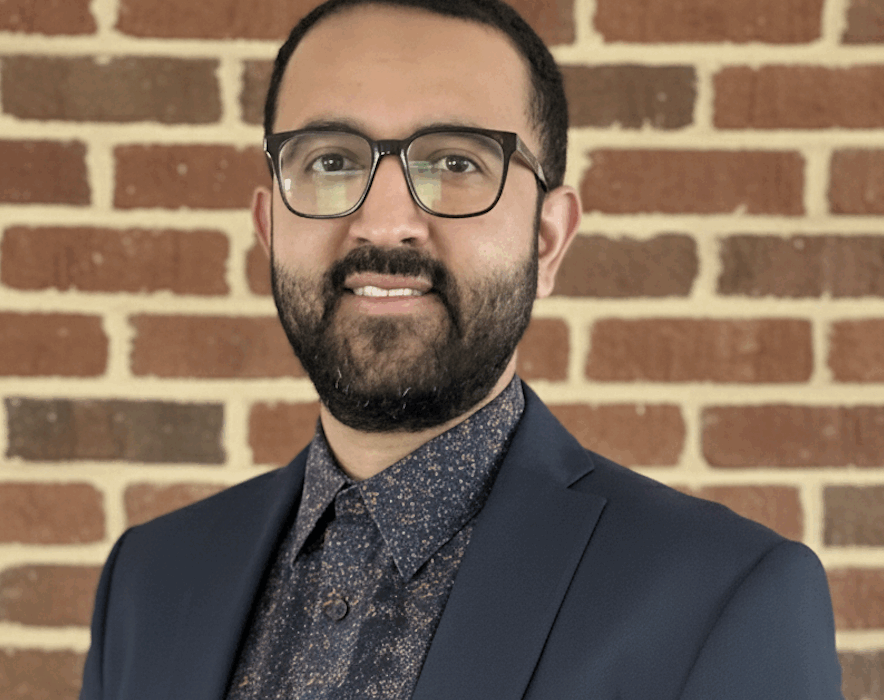
Team Spotlight with Pardip Singh: A Journey from Ice Cream Entrepreneur to Construction Professional

Getting to know the people behind LRE & Co’s success

At LRE & Co, our team members come from diverse backgrounds and bring unique perspectives that propel our projects forward. Today, we’re sitting down with one of our valued team members, Pardip Singh, who joined us in July 2025, bringing an unconventional path to construction and a passion for solving complex challenges.

An Unexpected Journey

Not everyone discovers their calling in construction immediately. Before entering the industry, Pardip tried different careers—from managing meat markets and sandwich shops to property maintenance and even running an ice cream truck business.

I used to be a professional ice cream man with my own truck before the recession,” he shares with a laugh. “My parents had been ice cream vendors since the ’90s, but they encouraged me to focus on my education. Most people think I’m joking when I tell them that story!”

Born in India and moving to America in 1995, he eventually secured a small business and property management role that led to construction. “I had never thought this industry would motivate me like it has with all the challenges it presents,” he reflects. “My career path was more aligned with franchise and business management, but construction caught my interest in a way I hadn’t expected.”

Finding Home at LRE & Co

The journey to LRE & Co started with a referral from a mutual contact in February, and the timing finally came together in May. “One sit-down with Akki and Victor, and I knew this was where I wanted to contribute to the vision they both had,” he explains.

Now, his typical day includes project design and plan review, contractor coordination, bid and budget management, endless phone calls, and Teams meetings—the essential rhythm that keeps projects moving forward.

Turning Challenges into Triumphs

When asked about the most challenging projects he’s handled, two stand out: “My first construction job, where we built and opened a hotel during COVID, and a public works school restroom project where everything was wrong.” Despite the obstacles, he successfully managed to redesign the units, get approval from DSA, and reopen before students returned from summer break—forging a strong example of his problem-solving skills and determination.

What motivates him? “The design process introduces me to individuals and knowledge that help me grow as a professional and person.” His background in business operations gives him a unique advantage: “I can visualize the day-to-day challenges tenants or management operations may face and provide solutions for commercial developments.”

Wisdom and Philosophy

One piece of advice has stayed with him throughout his career. When he was just starting as a general manager with a staff of over 25 employees, his uncle—whose company sometimes employed more than 3,500 people—told him: “Anyone can manage a business; managing people is the hardest thing to do.”

“I always think about that,” he says. “It applies to everything, not just managing a business.”

For those just starting their careers, he offers this advice: “It’s okay to not know what you want to be in five years. Just take time to observe and listen to your peers. It will eventually show you where you can be if you apply yourself.”

Life Beyond the Office

When he’s not coordinating projects and reviewing plans, you’ll find him spending quality time with his wife and son, taking day trips to local spots, and cheering for the 49ers. His ideal weekend? “Taking a nap on the couch if my wife lets me,” he admits with humor.

A self-described night owl, he starts his day with an iced dirty chai and approaches life with the same dedication he shows at work. “Being the best role model and person I can be for my son and husband, for my wife”—that’s what motivates him outside the office.

The LRE & Co Difference

What excites him most about LRE & Co? “The vision of ownership and projects in our pipeline has no ceiling,” he says enthusiastically.

When asked about working with the team, his response says a lot about the company culture: “There’s always guidance and support whenever any of us need it.”

At LRE & Co, we believe our strength lies in the diverse experiences and perspectives our team members bring to every project.


Get in touch

phone

(415) 491 – 1500

4302 Redwood Hwy Suite 200

San Rafael, CA 94903

email

info@lrecompanies.com

Get in touch

phone

(415) 491 – 1500

4302 Redwood Hwy Suite 200

San Rafael, CA 94903

email

info@lrecompanies.com

about us

The LRE & Co is a family organization that has been in real estate development, construction and the food and beverage businesses since 1999. It has been present in major markets throughout northern California and northwest Nevada.

Newsletter

Get latest news & update

© 1999 – lrecompanies.com. All rights reserved.