
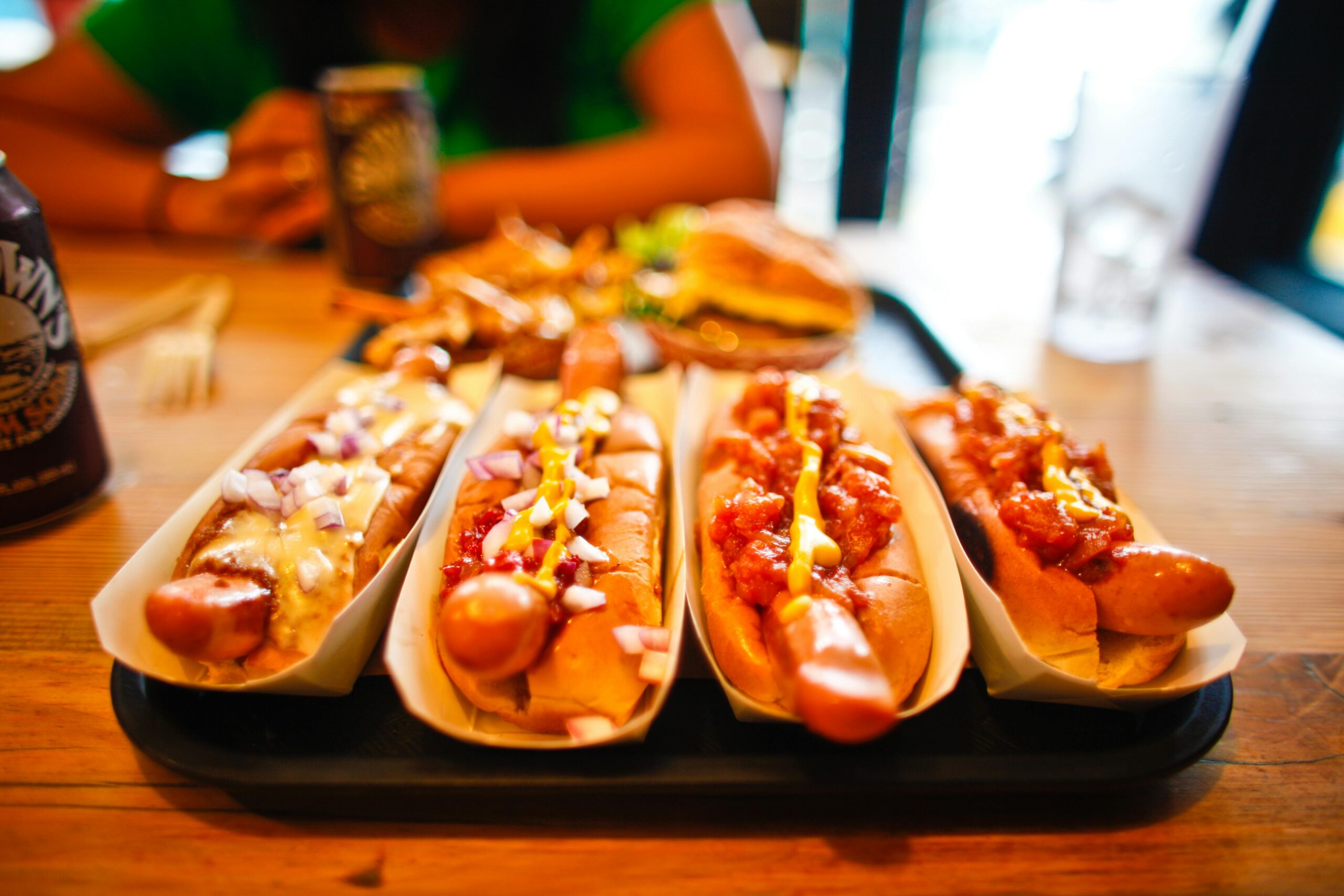
Something remarkable is happening in California’s smaller communities. Residents are lining up, sometimes camping overnight, for premium fast-casual brands. Meanwhile, traditional quick-service restaurants (QSR’s) are struggling to generate the same excitement. The fast-casual revolution that transformed urban dining is now reshaping secondary markets, with significant implications for developers.
Beyond Burgers and Fries
The term ‘fast-casual’ doesn’t fully capture what’s driving success in these markets. These brands represent something deeper: quality without pretension, speed without sacrifice, and an experience that feels slightly elevated without being intimidating. In communities where dining options have historically been limited to traditional fast food or full-service restaurants, premium QSRs fill a gap that residents didn’t fully recognize.
The Quality Equation
Premium fast-casual brands succeed in secondary markets by solving a specific problem: residents want higher quality without sacrificing the convenience and value that make QSRs attractive. Traditional fast food serves a purpose, but it doesn’t create excitement. Full-service restaurants require time commitments that busy families and workers can’t always accommodate.
Fast-casual brands like Habit Burger offer char-grilled burgers made to order, fresh ingredients, and customizable options at price points only slightly higher than traditional competitors. The value proposition is clear: meaningfully better food for a modest premium. In markets where dining choices are limited, that difference matters enormously.
This quality focus extends beyond food to the entire experience. Cleaner dining spaces, friendlier service models, and modern aesthetics create environments where residents actually want to spend time. In smaller communities where third spaces are limited, these restaurants become gathering spots for families, remote workers, and social groups.
The Demographics of Desire
Secondary markets are changing demographically in ways that favor premium QSRs. Remote work has enabled professionals to relocate from expensive urban centers to more affordable communities. These transplants bring urban dining expectations and purchasing power to markets that previously couldn’t support elevated concepts.
At the same time, younger generations in these communities have grown up with exposure to premium brands through travel and social media. A college student from a smaller city has likely eaten at In-N-Out or Chipotle while visiting larger cities and returns home wondering why similar options don’t exist locally. When premium brands finally arrive, built-up demand creates immediate success.
Importantly, secondary markets often have older populations with disposable income and an appetite for quality dining that doesn’t require formal occasions. Fast-casual concepts appeal across generational lines in ways traditional QSRs increasingly don’t.
Economics That Work
From a development perspective, premium QSRs deliver superior economics in secondary markets. Higher average checks translate into stronger sales per square foot, supporting premium rents that traditional QSR operators can’t justify. These brands also demonstrate stronger unit-level economics; their pricing power and operational efficiency generate margins that support sustainable growth.
Labor markets in smaller communities pose challenges for any restaurant operator, but premium brands have advantages. Better working environments, slightly higher wages, and an association with quality brands help attract and retain employees. In towns where everyone knows everyone, being known as a good employer is critical to staffing stability.
The development process often favors premium brands. Sophisticated operators with proven systems and strong unit economics navigate entitlements, construction, and opening more smoothly than smaller operators. Their experience across diverse markets provides playbooks for succeeding in communities where local knowledge and relationship-building are essential.
Lessons from the Field
Our experience across Northern California’s secondary markets reveals consistent patterns. First, don’t underestimate pent-up demand. Communities that seem too small to support premium concepts often harbor years of pent-up demand among residents seeking better options. When quality brands arrive, initial performance typically exceeds optimistic projections.
Second, timing matters less than quality. Some developers hesitate to bring premium brands to secondary markets during periods of economic uncertainty. Our experience suggests that residents will pay for quality even in tighter times; in fact, they may appreciate accessible luxury more when full-service dining feels like an extravagance.
Third, community integration is crucial. Premium QSRs that succeed in secondary markets don’t just serve food, they become community fixtures. Supporting local causes, hiring locally, and understanding regional preferences build loyalty that transcends typical brand relationships.
Looking Ahead
The fast-casual evolution in secondary markets is more than a dining trend. It reflects fundamental shifts in how smaller communities view themselves and what they expect from commercial development. Smaller towns no longer accept that quality retail experiences belong exclusively to urban centers.
For developers, this creates both opportunity and responsibility. The opportunity lies in bringing proven premium brands to underserved markets where demand exceeds supply. The responsibility is to recognize that these aren’t just transactions, their investments in community evolution that residents notice, appreciate, and remember. When premium QSRs succeed in secondary markets, they don’t just generate revenue; they validate community growth and signal that better outcomes are possible.
The overnight campouts aren’t really about burgers or wings. They’re about communities celebrating their arrival in an era where quality, convenience, and local pride can coexist, and developers who understand that will find ample opportunity in California’s secondary markets for years to come. https://lrecompanies.com/news-blog/