
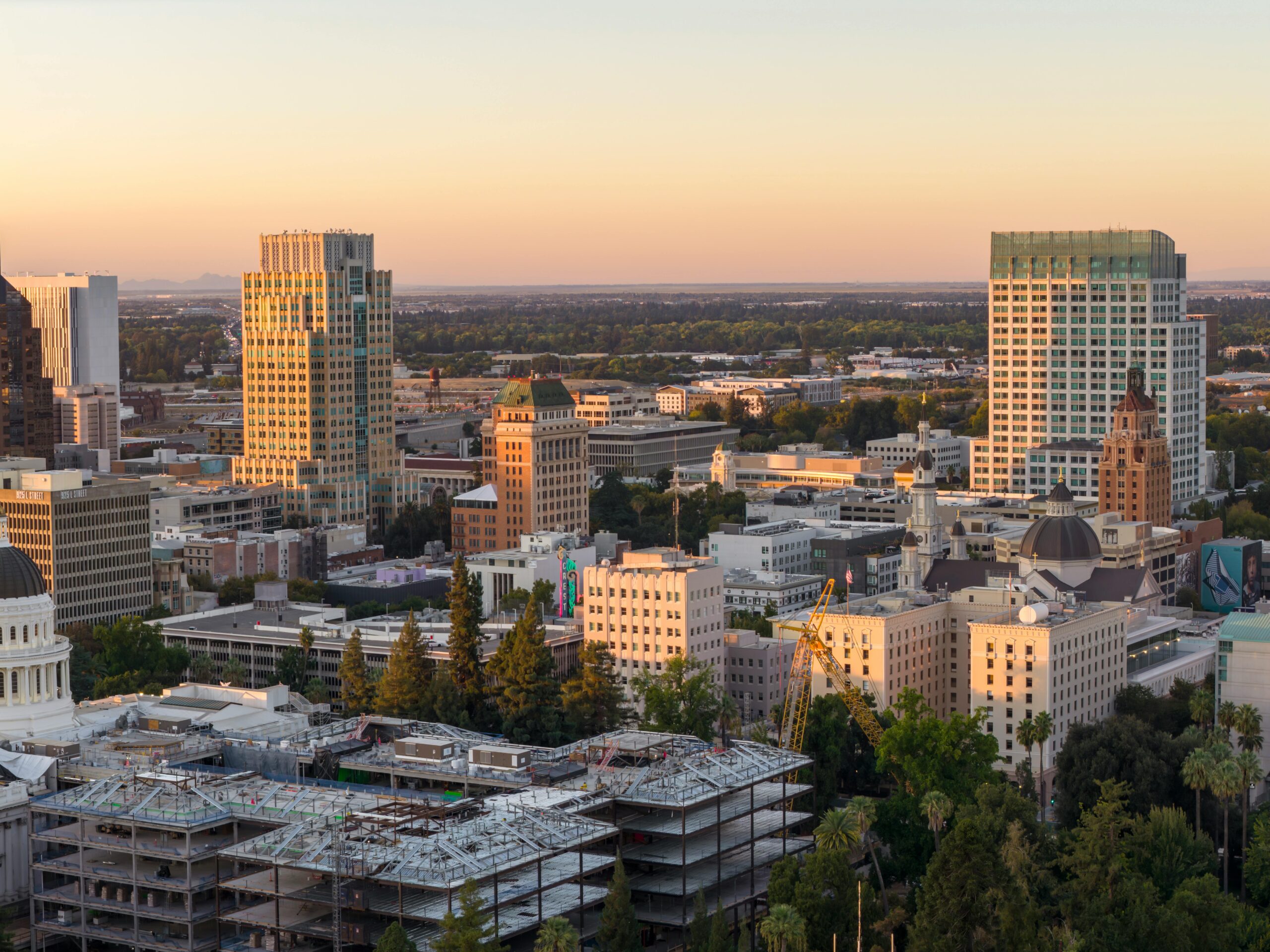
If you’re breaking ground this spring, California’s regulatory landscape looks materially different from a year ago. The 2025 California Building Standards Code, codified in Title 24 of the California Code of Regulations, took effect on January 1, 2026, and applies to all permit applications submitted on or after that date. There is no grace period, no grandfather clause for projects still in design, and no waiting out the cycle: due to AB 130, this is the last major update to the code until at least 2031.
That six-year freeze makes understanding the 2026 requirements more urgent, not less. Whatever you build this spring will last for years. Here’s what developers with active commercial projects need to know before submitting for permits.
The Permit Date Is the Line That Matters
The most important thing to understand about the 2026 code is the trigger. Projects with permit applications submitted before January 1, 2026, may continue under the previous 2022 code cycle, provided the permit has not expired. Everything submitted after that date, including spring 2026 groundbreakings, must fully comply with the updated Title 24 standards. If your project is in design now, assume you’re building to the new code.
The Five Changes With the Biggest Commercial Impact
- Electrification: Bigger Scope, More Coordination Required
Electrification mandates are the most operationally disruptive change in the 2026 code. Requirements are embedded across multiple sections of Title 24 — Parts 2 (California Building Code), 6 (Energy Code), and 11 (CALGreen) — and they materially expand the electrical scope of work on virtually every commercial project.
For commercial kitchens, the new energy code introduces “electric-ready” infrastructure requirements, meaning new builds must be pre-wired to accommodate future all-electric appliances, even if gas equipment is installed at opening. Service sizing requirements have increased, load calculation constraints have tightened, and EV-ready and EV-capable infrastructure is now mandatory for commercial parking structures, with ratios based on occupancy type.
The practical implication is that electrical, mechanical, and framing trades now need to be coordinated earlier in the design process than most project teams are accustomed to. Compliance is no longer determined solely at the design stage; field verification, commissioning, and documentation, including HERS testing, are now required for sign-off.
- Solar + Battery Storage: No Longer Optional Together
New commercial buildings that require solar photovoltaic systems must now pair them with battery energy storage systems (BESS). This pairing requirement adds planning complexity around roof space, load calculations, and system design that wasn’t previously required. Developers who have pre-designed rooftop configurations without BESS integration may need to redesign before permit approval.
The California Energy Commission projects that, taken together, these energy code updates will generate an estimated $4.8 billion in energy savings over 30 years and reduce greenhouse gas emissions by approximately 4 million metric tons, equivalent to the annual energy consumption of more than half a million homes.
- Embodied Carbon: A New Requirement for Large Commercial Projects
California became the first state to regulate embodied carbon, the emissions produced during the manufacturing and assembly of building materials, directly in its building code. Starting in 2026, the CalGreen requirements apply to commercial buildings over 50,000 square feet, requiring developers to address embodied carbon through material reuse, life-cycle assessments, or low-carbon material choices.
For large-footprint commercial projects, office campuses, retail centers, and industrial facilities, this is a new design and procurement constraint that will affect material-sourcing timelines and potentially cost assumptions for steel, concrete, and glass. Budget for the assessment work early; it cannot be retrofitted late in the design process.
- A Standalone Wildfire Code — With Real Teeth
Previously, wildfire-resistant construction standards were scattered across three sections of the California Building Code. The 2026 update consolidates them into a single, standalone California Wildland-Urban Interface (WUI) Code, codified as Title 24, Part 7. The new WUI Code applies to approximately 4.5 million California properties in fire-prone areas and requires ignition-resistant exterior materials, ember-resistant vents, and compliance with defensible space requirements for all new construction and major renovations in designated zones.
For commercial developers building anywhere near WUI-designated territory, the standalone code means stricter oversight of materials, installation sequencing, and inspection, and less room for jurisdictional interpretation than the old dispersed standards allowed.
- Accessibility Upgrades Now Easier to Trigger
Updates to the California Existing Building Code have increased the likelihood that even modest renovation projects trigger broader accessibility compliance upgrades. Developers planning tenant improvements or partial renovations should budget for the possibility that their scope of work triggers accessibility requirements beyond the immediate work area. For commercial projects in older buildings, this warrants a code analysis before finalizing the construction documents.
New Contract Rules That Change Your Cash Flow Math
Two new laws that took effect on January 1, 2026, will affect how commercial construction contracts are structured and will apply regardless of project type.
SB 61 establishes a mandatory 5% retention cap for most private construction contracts. The cap applies across all subcontracting tiers and cannot be waived by contract. If your standard contract language has historically included 10% retention, that provision is no longer enforceable. Review and update all contract templates before spring procurement.
SB 440, the Private Works Change Order Fair Payment Act, establishes standardized statutory procedures for change-order disputes on large private projects, including defined timelines for claims involving delays, additional costs, and time extensions. The law sunsets in 2030 unless extended. During that period, documentation discipline and timely notice will be legally significant in dispute resolution.
What This Means for Spring Timelines
Developers with projects permitting this spring should pressure-test the following:
- Design coordination: Has your electrical engineer been engaged early enough to address expanded service sizing, EV infrastructure, and BESS integration prior to permit submittal?
- Roof planning: If your project requires solar, does the roof layout account for paired battery storage? Has the load capacity been evaluated?
- Material procurement: For projects over 50,000 square feet, has embodied carbon been addressed in your material specifications?
- WUI exposure: Has your site been evaluated using updated WUI zone designations?
- Contract review: Have the retention clauses and change-order procedures been updated to comply with SB 61 and SB 440?
The 2026 code cycle is the most comprehensive update to California’s building standards in recent memory. With a six-year freeze now in place, it will be the standard your projects are measured against for the foreseeable future. Developers who treat code compliance as a late-stage checklist rather than an early design input will feel the consequences in permitting delays, redesigning costs, and project timelines. The spring groundbreaking window is still open, but the margin for error is smaller than it used to be.